S. Korea uncovers massive SIM fraud operation using foreign residents' passports
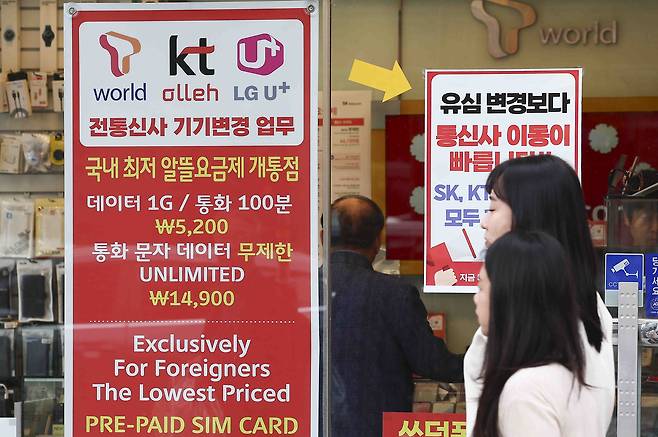
A total of 71 people have been identified in connection with a telecom fraud scheme involving over 11,000 “ghost SIM cards” registered using passport copies of foreign nationals residing in the country, police said Monday.
According to investigators at the Gyeonggi Bukbu Provincial Police, some of the SIMs were used for phishing and other illegal activities, causing an estimated 96 billion won ($69 million) in damages.
Of the 71 suspects, nine, including the owner of multiple phone shops in central Seoul, have been arrested.
The group is accused of registering SIM cards under fake identities and selling them to criminal organizations nationwide. These SIM cards were reportedly used to operate anonymous phones involved in fraud, drug trafficking, and illegal lending.
Police believe that the shop owner is the mastermind behind the operation, who collaborated with brokers and telecom insiders to exploit a loophole in identity checks for foreigners buying SIMs for Mobile Virtual Network Operators. MVNOs are smaller telecom firms that lease network access from major carriers.
The group is suspected of obtaining foreign passport scans via the encrypted messaging app Telegram from February 2023 to May this year, which were then used to activate SIM cards. Most of the passport holders are reported to be Southeast Asian nationals who were unaware that SIM cards had been activated under their names.
Each SIM was sold for between 200,000 and 800,000 won. Police estimate the group earned roughly 1.6 billion won in profits.
The fraudulent SIM cards were activated at 18 mobile retail stores, with the help of seven employees at two MVNO firms. These employees are believed to have approved activations based only on passport photocopies and fabricated application forms, despite South Korean law requiring strict identity verifications for mobile services.
Police suspect that the alleged ringleader not only ran multiple phone stores but also acted as a broker, connecting illegal phone shops with complicit telecom staff. He is believed to have collected 30,000 won per SIM as a commission.
At least 1,400 of the fake SIMs were used in voice phishing or large-scale fraud, according to police. In many of these scams involving illicit phones, callers typically pose as prosecutors or financial officials to trick victims into transferring their money. The illicit SIMs were also allegedly used in drug operations and unauthorized private lending.
Authorities seized over 3,400 forged application documents and more than 400 SIM cards. They also froze 730 million won in criminal proceeds and requested the cancellation of 7,395 compromised phone lines.
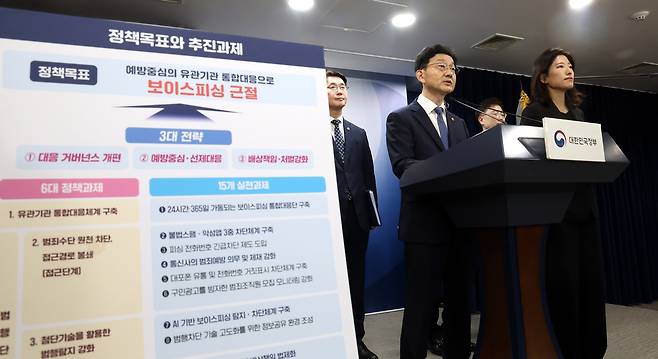
South Korea has some of the highest per-victim losses to voice phishing among OECD countries. According to the National Police Agency, the average amount lost per victim in 2024 reached 41 million won, with nationwide losses hitting a record 854.5 billion won.
The government responded in August with new national-level measures. These include requiring biometric checks for SIM registration, limiting foreign passport holders to one line and holding telecom companies accountable for repeated illegal activations.
“Anonymous SIMs are the starting point for crimes like phishing and drug distribution,” a police spokesperson said. “Cutting off access to these tools is key to stopping the damage before it spreads.”
Copyright © 코리아헤럴드. 무단전재 및 재배포 금지.