A traveler’s guide to BTS filming locations

Before they became tourist stops, these places were backdrops.
A barren stretch of reclaimed land in Buan. A disused runway in Jecheon. A solitary rock rising from the sea in Jeju. Each was chosen for a specific visual mood — isolation, youth, nostalgia — and captured in moments that would later circulate worldwide through music videos.
Today, those same locations draw visitors not for what they are alone, but for what they once represented on screen.
Wanju: Hanok serenity and slow travel
Wanju, North Jeolla Province, gained global visibility through BTS’ “Summer Package 2019.” The content showcased members immersed in traditional Korean architecture and nature, offering a softer, contemplative contrast to their high-energy performances.
At the center is Awon Museum & Hotel, a relocated 250-year-old hanok complex that blends heritage architecture with contemporary design. Surrounded by bamboo groves and mountain foothills, the property also functions as a cultural space.
Visitors can explore the grounds between noon and 4 p.m. for an admission fee (10,000 won), even without an overnight stay. Inside, a small cafe serves simple drinks like coffee and omija tea. The wooden maru (floor) and curved rooflines — featured prominently in BTS’ photo book — remain largely unchanged.
Nearby, travelers can follow additional filming locations, including Changpo Village, where members rested on a wooden bridge, and Wibongsanseong, a mountain fortress whose stone walls date back to the 17th century. The surrounding park also includes waterfalls and temples, making it suitable for a full-day itinerary.
Jeju: Volcanic landscapes and cinematic coastlines
South Korea’s southern Jeju Island has long been a favorite filming destination for K-pop groups. BTS' “The Most Beautiful Moment in Life” series used Jeju’s dramatic natural scenery to frame themes of youth and transience.
One of the most recognizable sites is Oedolgae Sea Stack, a 20-meter volcanic rock formation rising from the sea near Seogwipo. Formed 1.5 million years ago, the site is surrounded by cliffs and walking trails.
Its sweeping ocean views mean sunset is widely considered the best time to visit, when the rock silhouette contrasts against the horizon. A reviewer noted that while the rock itself was striking, “the walking path toward Oedolgae left the most lasting impression.”
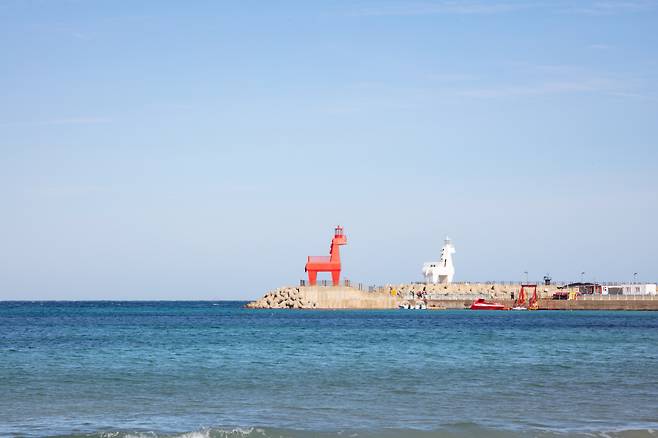
For a more accessible beach setting, Iho Tewoo Beach offers a blend of urban convenience and natural charm. Located near Jeju International Airport, the beach is known for its red and white horse-shaped lighthouses — a popular photo backdrop also shared by Jin on social media.
The gently sloping shoreline and nearby pine forest make it ideal for casual visitors, while local seafood restaurants provide easy dining options. The beach offers a range of activities, from boat rentals for fishing to casting a line off the seawall, which is popular among local fishermen for its plentiful smelt.

Yongin: Theme park nostalgia with a global stage
In Gyeonggi Province, Everland offers a different kind of BTS experience — one rooted in performance rather than landscape. The amusement park served as a filming location for BTS’ performance of “Dynamite” on America’s Got Talent in 2020.
The scene was shot in the park’s “Rocksville” zone, styled after mid-20th century Americana. Today, visitors can walk through the same pastel-toned streets where the group performed, blending retro aesthetics with K-pop history.
Beyond BTS, Everland remains one of Korea’s largest theme parks, featuring zones such as Zootopia — home to over 2,000 animals — and the T-Express, the country’s first wooden roller coaster. Seasonal festivals, from tulip displays to winter illuminations, make it a year-round destination.
Buan: Minimalist landscapes at Saemangeum
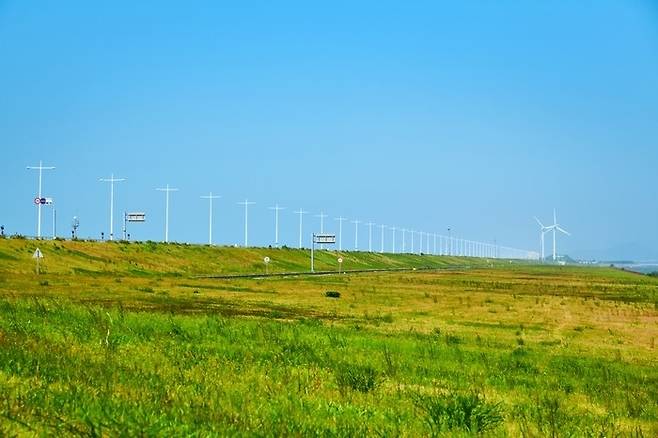
For fans seeking one of BTS’ most visually iconic backdrops, Saemangeum Seawall delivers cinematic scenery. Stretching 33.9 kilometers, it is the world’s longest seawall and the place where BTS’ 2016 music video “Save Me” was filmed.
The vast, open terrain of the reclaimed land — it's unusual flatness means it is often mistaken for somewhere overseas — became synonymous with the group’s introspective era. BTS later returned for the “Love Yourself: Tear” album shoot, reinforcing the the location's association with the group.
Visitors can walk or cycle along the seawall while taking in sunset views over the Yellow Sea. Campgrounds and observation points are available, though the area’s scale and minimal shade make it best suited for cooler seasons.
Jecheon: From abandoned airfield to cultural landmark
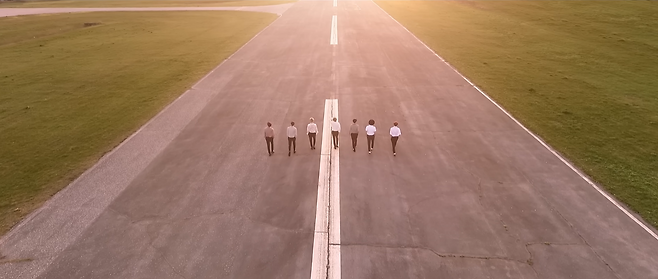
Jecheon offers a story of transformation. Built during the Korean War, Mosan Airfield gained new life after appearing in BTS’ “Epilogue: Young Forever” music video.
The now-public park features a long runway where all seven members walked side by side — a scene that has become one of BTS’ most enduring visual motifs. Today, the site is lined with seasonal flower fields, including sunflowers and pink muhly, attracting both fans and general tourists.
Nearby, Uirimji Reservoir provides historical depth. Dating back to the Three Kingdoms era, it remains one of Korea’s oldest reservoirs, surrounded by pavilions and walking paths. For panoramic views, the Cheongpung Cable Car offers a 10-minute ride up Bibongsan, overlooking water.
Samcheok: Coastal revival through “Butter”
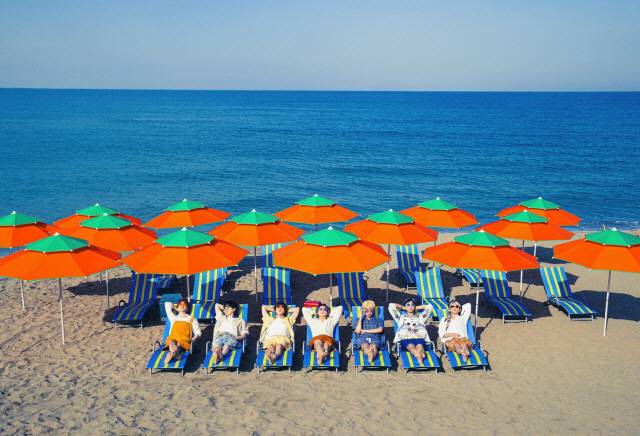
On Korea’s east coast, Maengbang Beach has become synonymous with BTS’ 2021 hit “Butter.” The album jacket was photographed here, prompting local authorities to recreate the original set — including parasols, sunbeds and beach props — as a permanent photo zone.
The site has since drawn steady visitor traffic, particularly among younger travelers and international fans. Located about 7 kilometers from downtown Samcheok, the beach also hosts seasonal events such as barehand fishing contests and coastal races.
Standing in the exact spot where a BTS member once performed or posed offers fans a tangible way to connect with the group.
But beyond fandom, these destinations collectively map out an interesting travel route across South Korea — from Jeju’s volcanic coastlines to Jeolla’s hanok villages and Chungcheong’s inland landscapes.
Copyright © 코리아헤럴드. 무단전재 및 재배포 금지.