Apple eyes Samsung for iPhone chips after decade with TSMC
Apple is exploring a possible return to Samsung Electronics and Intel as foundry partners for its main device processors, in what would mark its most significant attempt in over a decade to loosen Taiwan Semiconductor Manufacturing Co.'s near-total grip on the chips that run iPhones and Macs.
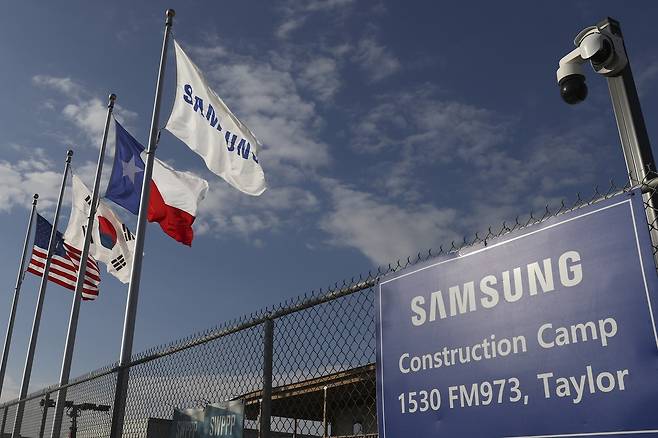
Bloomberg reported Tuesday that Apple has held early-stage talks with Intel about its chipmaking services, while Apple executives have visited the Samsung foundry plant under construction in Taylor, Texas, which is targeting operations in the second half of this year.
No orders have been placed and the work with both suppliers remains preliminary, according to the report, which cited people familiar with the deliberations.
On Apple's most recent earnings call, CEO Tim Cook told investors the company is short of the advanced processors that go into iPhones and Macs, and that the constraint is hitting growth.
"We have less flexibility in the supply chain than we normally would," Cook said, adding that "the primary constraint is the availability of the advanced nodes our SoCs (systems on chip) are produced on, not memory." He said it would take several months to reach supply-demand balance.
The squeeze stems from the artificial intelligence build-out. Nvidia, AMD and other chip designers have absorbed much of TSMC's leading-edge capacity, leaving even Apple, one of the world's largest silicon buyers, unable to secure the volume it wants. Apple is already shifting some production to TSMC's Arizona plant and expects to source roughly 100 million chips there this year, but that covers only a fraction of its annual device shipments.
For Samsung, an Apple processor win would be the highest-profile credibility test for a foundry business that holds less than 10 percent of the global market and has long trailed TSMC on yield. The Taylor fab, anchored by a roughly 23 trillion won ($15.8 billion) long-term supply deal with Tesla signed in July last year, is Samsung's largest US foundry bet.
Any deal would likely start narrow. "Apple is unlikely to hand Samsung the full main SoC for its flagship A-series and M-series chips," an industry official said. "A phased dual-sourcing approach is more plausible, with chips for older or midtier iPhones and iPads tested at Samsung's Texas fab first."
The two companies last shared production of an Apple main processor in 2015, when the A9 chip for iPhone 6s was split between Samsung's 14-nanometer and TSMC's 16-nanometer lines. Battery-life differences under heavy loads triggered the "chipgate" controversy, and Apple consolidated production at TSMC from the A10 Fusion onward.
Copyright © 코리아헤럴드. 무단전재 및 재배포 금지.