Author Hwang Sok-yong and 16 other cultural figures recognized with national medals
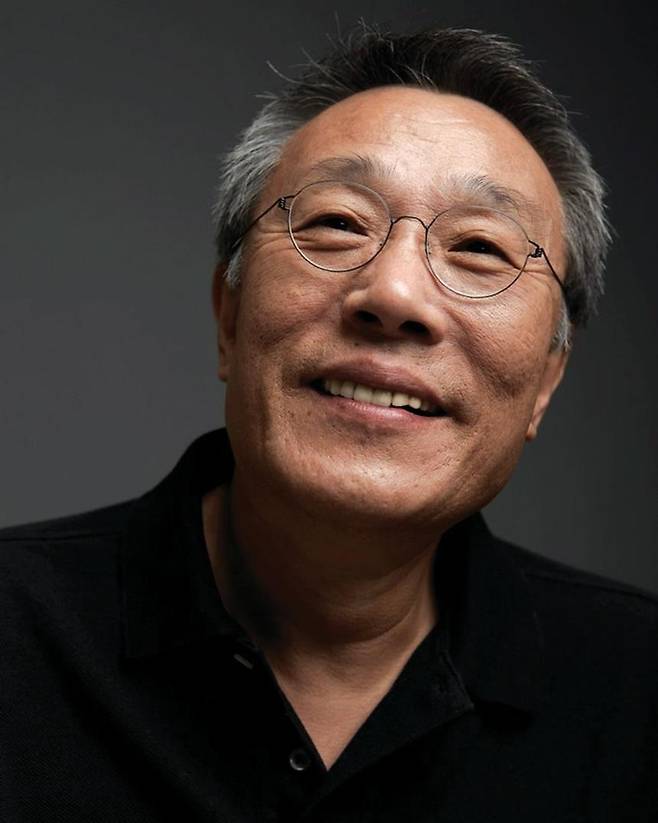
Renowned novelist Hwang Sok-yong, 81, has been awarded the Geumgwan Order of Cultural Merit, the highest cultural honor bestowed by the Korean government, in recognition of his remarkable contributions to Korean literature and its global reach.
This year, a total of 17 cultural figures were honored with Orders of Cultural Merit across five grades: one Geumgwan, four Eungwan, five Bogwan, four Okgwan and three Hwagan.
The Order of Cultural Merit is the country’s most prestigious state award for the arts, presented to individuals who have made outstanding contributions to the development of Korean culture and the enrichment of national cultural life.
As one of Korea’s most influential literary voices, Hwang has shaped the trajectory of Korean literature for more than five decades. His work is celebrated for its deep engagement with contemporary social issues and its role in inspiring healing and reflection within society. Through landmark novels such as “Jang Gil-san,” “Princess Bari” and “The Road to Sampo,” Hwang vividly portrayed the lives of ordinary people, while his field-based research and realist approach reinforced the social value of literature.
Hwang has also been a pioneer in bringing Korean literature to the global stage. The English translation of his novel “Mater 2-10,” released as “Three Generations of Railway Workers,” was shortlisted for the 2024 International Booker Prize. To date, his works have been translated into 22 languages with 65 overseas editions.
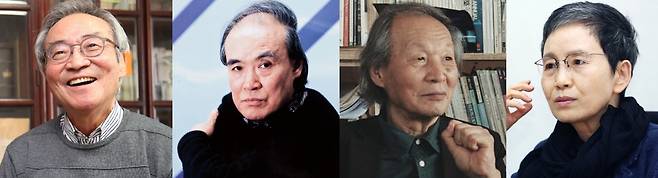
Four cultural leaders received the second-highest honor. Kim Hwa-young, professor emeritus at Korea University, was recognized for more than 50 years of literary translation and contributions to cultural exchange between Korea and France, including translations of the complete works of Albert Camus.
The award also went to theater director Han Tae-sook, who helped establish a distinct identity for Korean theater through pioneering productions; artist Yoo Hee-young for advancing Korean abstract art; and architect Joh Sung-yong, known for designs such as Seonyudo Park and the Lee Ungno Museum, for shaping the country’s modern architectural landscape.
Five recipients received the Bogwan medal for achievements in literature, music, visual art and landscape architecture, including literary scholar Kwon Young-min, composer La In-yong, cellist Yang Sung-won, visual artist Lee Kang-so and landscape designer Jung Young-sun, a leading figure in shaping public urban spaces such as Gwanghwamun Square.
The Okgwan medal was awarded to four figures, including cartoonist Kim Hyung-bae, creator of “Robot Taekwon V,” traditional musician Choi Kyung-man, theater director Kim Ara, and ceramic artist Shin Sang-ho.
Three individuals received the Hwagan medal: animation producer Choi Shin-kyu, children’s song advocate Yoon Seok-gu and former Korea National University of Arts professor Hur Young-il for contributions to dance education and cultural exchange.
The Korea Culture and Arts Award was presented to five recipients, including novelist Eun Hee-kyung, composer Choe Uzong, theater director Lim Do-wan, the Paper Culture Foundation and the late photographer Park Young-sook. Winners receive a presidential citation and 10 million won in prize money.
Eight emerging talents were named for the Young Artist Awards, including novelist Sung Hae-na, composer Lee Hanuri, National Changgeuk Company performer Kim Jun-su and playwright Park Chun-hue, co-creator of the Tony Award-winning musical “Maybe Happy Ending.”
Three parents also received recognition for their roles in supporting their children’s artistic careers, including the mothers of drummer Lee Tae-yang, singer Song Ga-in and contemporary artist Kim Hyun-woo, also known as Pixel Kim.
Copyright © 코리아헤럴드. 무단전재 및 재배포 금지.