Gangwon’s pivot from mountain retreat to growth hub
Gangwon State, home to South Korea’s most iconic natural landscapes, has long been the country’s leading leisure and sports destination and a recognized tourism powerhouse.
Today, the mountainous state is gaining global recognition beyond its traditional image, emerging as an industrial growth hub with rapidly expanding exports and rising international investment, while further strengthening its status as a cultural icon where major global events converge.
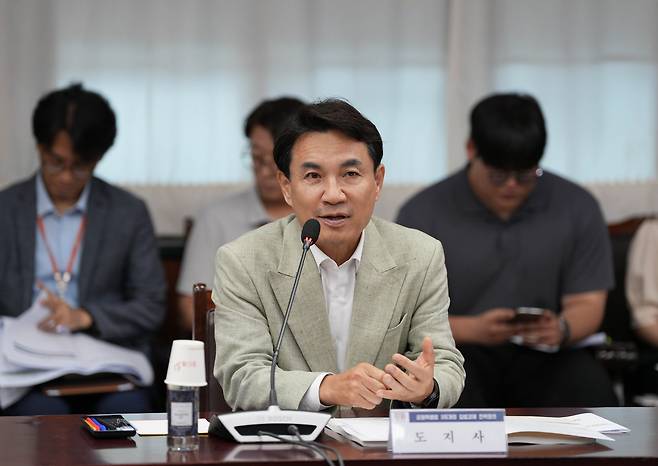
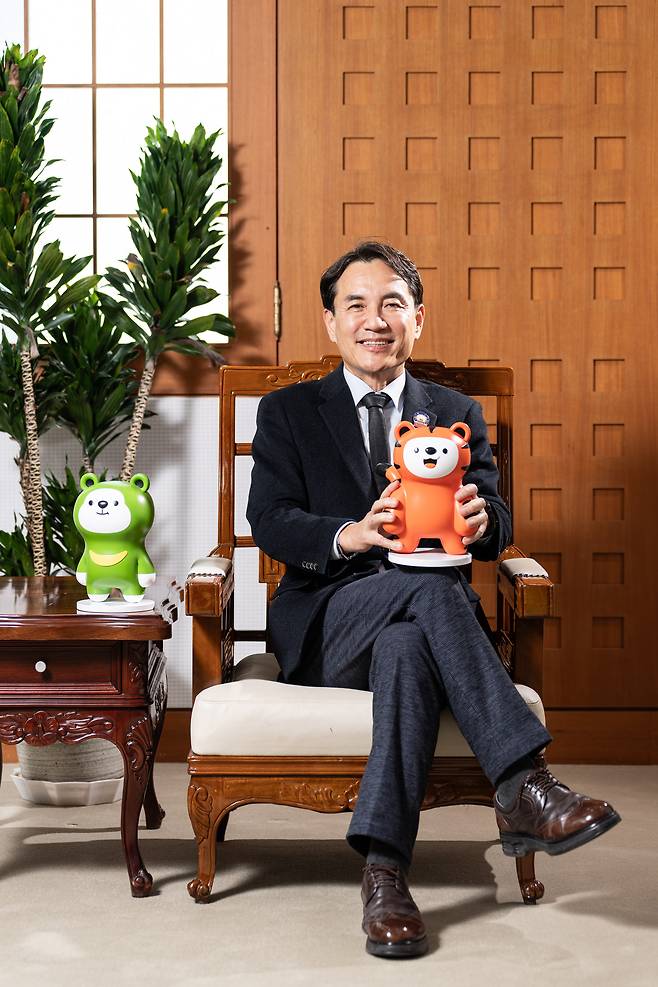
“During my term, I have made relentless efforts to realize the vision of a ‘special self-governing state,’” said Gangwon Gov. Kim Jin-tae. “By cutting through layers of red tape, Gangwon has leaped from being known mainly as a potato-producing region to becoming a state that leads seven future industries.”
Under Kim’s leadership, the state has been laying the groundwork in semiconductors, bio, hydrogen, future mobility, food tech, defense technology and climate technology, positioning itself as a future growth engine for Korea.
It has also been steadily expanding its regulatory autonomy from the central government through the National Assembly’s enactment and ongoing revision of the Special Act on the Establishment of Gangwon Special Self-Governing Province, or simply the Gangwon Special Act.
“The Gangwon Special Act will continue to serve as the backbone of the special state through further revisions, while I will step up efforts to secure future industries and infrastructure,” Kim added.
Under The Korea Herald’s Global Thinkers framework, the state qualifies for the Global Economic Connector badge for its multidimensional export expansion, reaching a record $3 billion in exports last year.
It is also eligible for the Global Culture Gateway badge for its long-standing strengths in tourism, as well as recent advances in enriching cultural content and positioning itself as a global destination for culture, music and corporate training.
Deregulation-driven transformation into industrial exporter
Once heavily dependent on tourism and agriculture, Gangwon State is now posting strong growth driven by rising industrial exports and supported by an aggressive deregulation drive.
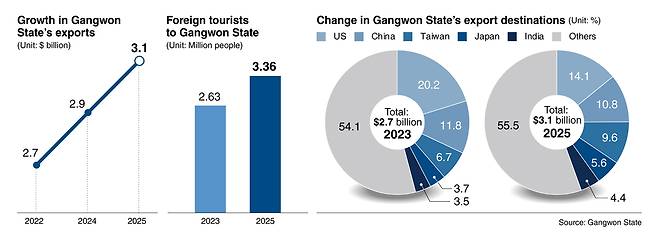
According to the Ministry of Data and Statistics’ tentative data, Gangwon’s gross regional domestic product grew 3.9 percent in 2025 to a record 64.6 trillion won ($45 billion), while exports rose 5.5 percent to a record high of $3.06 billion.
The provincial economy grew far more than South Korea’s national rate of 1 percent during the same period.
The state’s major export items, including electric cables, noodles and pharmaceuticals, posted year-on-year growth of 61.1 percent, 39.4 percent and 19.1 percent, respectively.
Long stereotyped domestically as an agriculture-focused province known for potato farming, the region is rapidly evolving into a more diversified industrial base with a broader export structure.
The state has focused particularly on consumer goods, which offer higher margins than industries that rely heavily on imported intermediate materials, and the strategy has delivered sustained results.

Home to one of Samyang Foods’ largest production bases in Wonju, noodle products account for 14 percent of Gangwon’s total exports last year, with Samyang Foods’ globally popular spicy Buldak brand among key drivers. Cosmetics also took a significant share.
Overall, consumer goods exports surged 13.9 percent last year to exceed $1 billion, accounting for about 33 percent of the state’s total exports.
Such growth in consumer goods has ridden on the global popularity of Korean culture, including food and beauty, while also helping Gangwon diversify its export destinations.
Its combined reliance on the US and China in exports fell from over 30 percent to around 25 percent over the past three years. In contrast, India, the United Arab Emirates and Taiwan have emerged as major markets, helping build a more stable growth structure less vulnerable to geopolitical risks.
State officials also highlight the growth of the high-precision machinery sector, with Gangwon ranking as the country’s second-largest medical device exporter. While South Korea’s overall medical device exports fell 20.8 percent between 2020 and 2024 to $5.26 billion, Gangwon’s exports in the sector increased 44.6 percent to $747 million.
Officials attribute much of this progress to active deregulation efforts under Kim’s leadership, aimed at securing greater regulatory authority from the central government.
According to the state, overlapping restrictions related to military zones, agriculture and forest protection encompass 21,890 square kilometers, or about 1.3 times the size of the state itself.
As heavy regulation has long constrained development despite Gangwon’s proximity to Seoul and multiple ports along the East Sea, the provincial government has been reviewing regulated areas in detail to determine which can be adjusted.
As part of these efforts, the state announced in January that it had lifted military-related restrictions covering 32.47 square kilometers, following the removal of similar restrictions over 12.9 square kilometers last March.
“The achievement was made possible by the Gangwon Special Act, which allows the governor to formally request deregulation and requires central ministries to justify why it cannot be done,” Kim said at the January announcement.
Gangwon’s expanding integration with the global economy is also evident in its push to attract foreign investment, including participation in international investment fairs and hosting investment seminars for global firms.
The state operated its first standalone booth at CES, the world’s largest consumer electronics and technology exhibition in Las Vegas, in January 2025, showcasing products from local manufacturers.
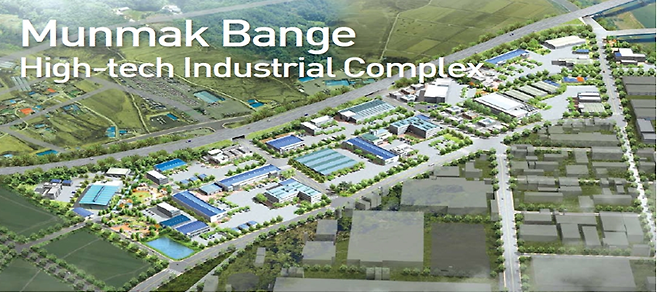
These efforts have helped raise Gangwon’s foreign direct investment execution rate from 23.2 percent to 28.4 percent over the past five years. In Wonju, the Munmak Foreign Investment Zone was fully leased in May, attracting $29.3 million in foreign investment, according to the state.
Multidimensional push to global retreat status
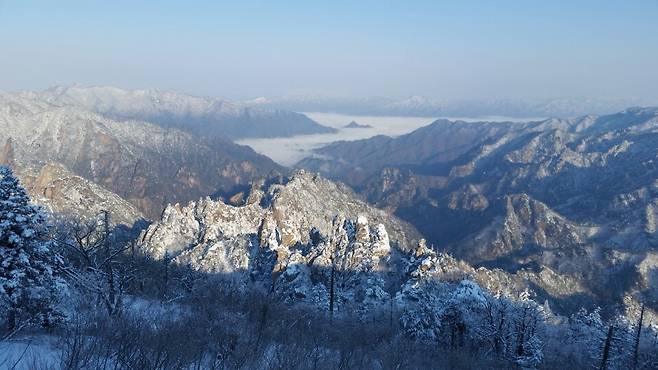
Home to scenic mountains such as Seoraksan, pristine shores along the East Sea and distinctive traditional culture, Gangwon has long been one of Korea’s top travel destinations.
Snowy winters and rugged mountain rivers have also made the region a national hub for leisure sports.
Moving beyond, the state is positioning itself as a global retreat for a wide range of purposes, including international events, festivals, cultural exchanges and corporate training, while upgrading both tourism content and transportation accessibility.
Gangwon is promoting its tourism under the banner of “Visit Gangwon Year,” a two-year campaign from 2025 aimed at attracting more than 200 million visitors by expanding diversified themed tourism and carrying out promotional events across the state.
One year into the campaign, tangible results are emerging.
According to the provincial government, foreign visitor arrivals reached a record 3.36 million in 2025, up 28 percent from 2023, when tourism activity was still recovering from COVID-19 and tracked using mobile-based visitor data. Spending by international visitors also rose from 50.8 billion won to 67.6 billion won over the same period.
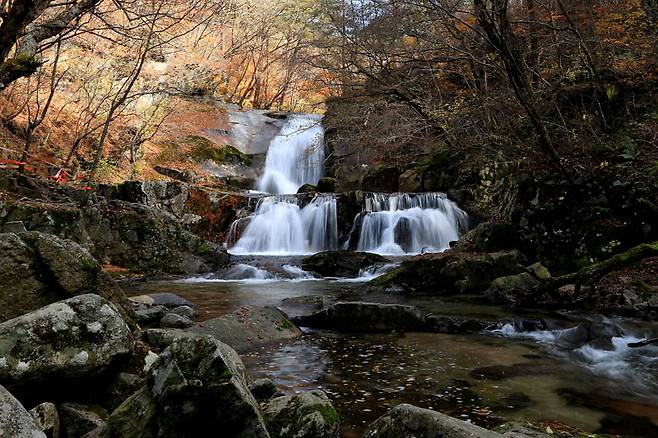
To revive international travel after the pandemic, the state has actively hosted large-scale global events.
Gangwon staged the 2024 Winter Youth Olympic Games, which drew about 2,900 participants from 80 countries, utilizing the legacy venues of the PyeongChang 2018 Winter Olympics. A year earlier, Gangwon Forestry Exhibition welcomed 1.45 million visitors, highlighting the state’s rich natural resources and multifaceted development potential.
State officials say these events have boosted confidence in Gangwon’s capacity to host future megasized events.
As part of its long-term strategy, Gangwon is tapping into the global appeal of Korean content while developing its own cultural narratives.
The state promotes filming locations for Korean dramas and K-pop productions, while also highlighting traditional heritage such as the folk song Jeongseon Arirang and the Gangneung Danoje Festival, which was inscribed on UNESCO’s Intangible Cultural Heritage list in 2005.
Gangwon is also leveraging its pristine natural environment as a stage for world-class performances. The PyeongChang Daegwallyeong Music Festival has been held for 23 years in PyeongChang, known for its refreshing alpine climate.
The state continues to expand support for domestic and international film productions, offering diverse backdrops ranging from deep mountain valleys and beaches to areas near the Demilitarized Zone and former mining towns, positioning itself as a global filming destination.
These efforts extend beyond individual travelers to corporate and professional training. Gangwon hosts the UN-Habitat International Urban Training Center, which has brought about 3,500 public officials from 37 countries to the state.
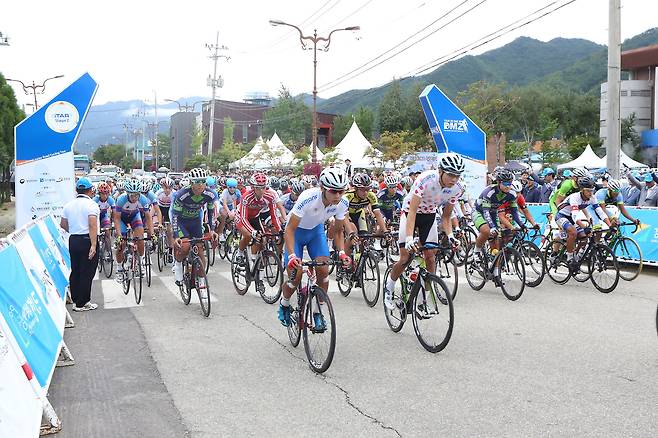
Improving transportation access is another key pillar of the state’s strategy.
Low-cost carrier Parata Air began operating flights between Yangyang on Gangwon's coast and Jeju Island in October, linking two major tourism hubs.
It also marked the first regular commercial service from eastern Gangwon since 2023. The airline plans to expand routes to Gimpo Airport in Seoul and to overseas destinations, with financial support from the state.
“Yangyang Airport, which had been grounded for about two years, is ready to take off again with the launch of Parata Air’s Jeju route,” Kim said. “If routes expand to Gimpo, Japan and Southeast Asia, it will truly emerge as a regional hub airport.”
“With large cruise ships calling at Sokcho Port and railway projects underway, opening air routes will help Gangwon’s eastern region rise as a global tourism center,” he added.
Copyright © 코리아헤럴드. 무단전재 및 재배포 금지.