Seoul cafes put matcha in the spotlight with innovative variations
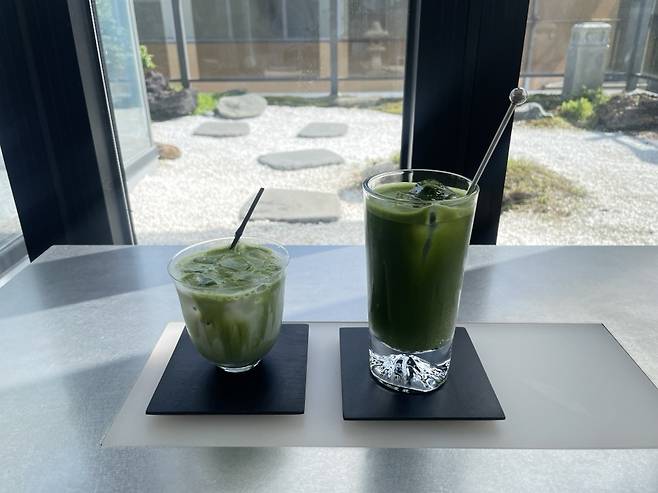
Matcha is enjoying worldwide popularity, with fans praising its earthy bitterness and health benefits. In Seoul, the trend is just as strong, and a handful of local cafes are putting their own spin on the finely ground green tea powder, offering experiences that range from casual to ceremonial. Three destinations — Korz near Samgakji, Dongdong Teahouse in Yeonnam-dong and T. Nomad in Mangwon-dong — show that matcha can be enjoyed in diverse ways, whether as a frothy cappuccino, a carefully sourced loose-leaf brew or a traditional-style tea service.
Korz: Minimalist cafe with signature cappuccino
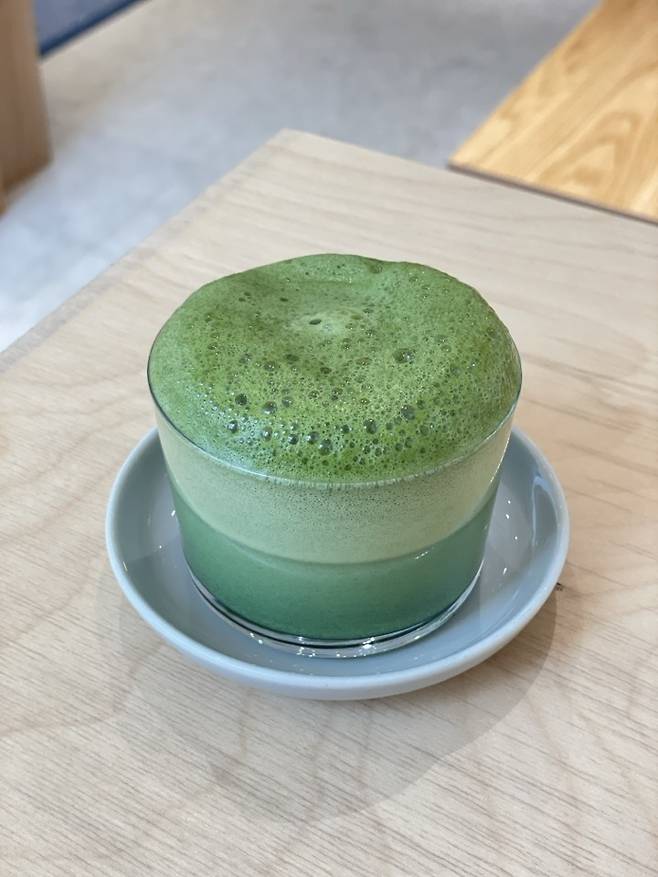
Just a few steps from Samgakji Station, Korz is a compact, minimalist cafe run by two young owners. While the shop is known for its coffee, its standout item is the matcha cappuccino, priced at 6,000 won. Unlike many cafes that rely on pre-mixed powders, Korz prepares the drink by hand, whisking the matcha fresh for each order. The result is a more pronounced tea flavor, with stronger bitter notes compared to the shop’s matcha latte, which is pre-prepared and milder.
Served only hot, the matcha cappuccino comes topped with a thick, foamy layer that balances the earthy profile with a touch of sweetness. Patrons sip from elegant cups made by 1616/arita japan, a ceramics brand from Saga Prefecture in Japan, known as the birthplace of Japanese porcelain. These cups are also available for purchase.
The shop opens at 11 a.m. and quickly fills with customers, meaning wait times for drinks can stretch. Still, Korz’s emphasis on taste and quality testing — staff sample the brews before serving — has helped it build a loyal following among coffee and tea enthusiasts.
Dongdong Teahouse: Loose-leaf tradition in Yeonnam-dong
For those who prefer a more traditional tea experience, Dongdong Teahouse in Yeonnam-dong offers a different atmosphere. Located on a rooftop, the space has a waiting list during peak hours, and visitors are asked to limit their stay to 90 minutes.
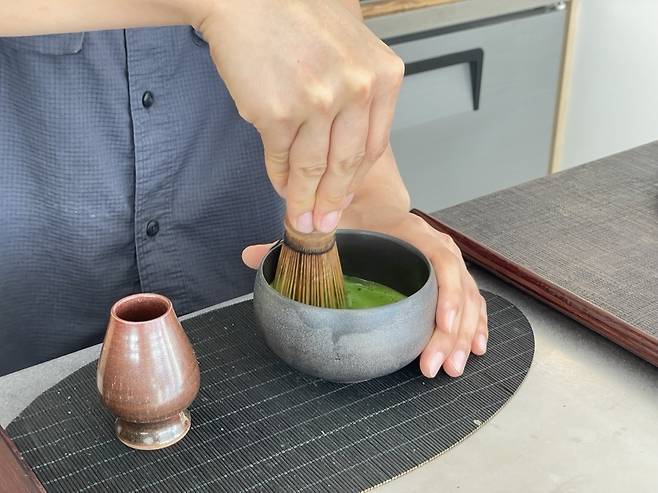
The teahouse features loose-leaf offerings, including three distinct matcha options. The basic matcha (14,000 won) is made with leaves sourced from Nagoya, Japan, and selected by the Omotesenke family, one of the three grand tea schools of Japan. Classified as a ceremonial-grade “thick tea” variety, it carries a balanced sweetness and nuttiness, with occasional notes of seaweed thanks to its freshness, often processed less than a month before serving.
Matcha newbies can try the matcha latte (7,000 won), blended with ceremonial-grade Jeju matcha and plant-based sweeteners. On the more inventive side, the matcha gin and tonic (15,000 won) combines the green tea’s depth with juniper berry notes, creating what the cafe describes as an “Eastern mood” cocktail. With its delicate balance of sweet and bitter, the drink is especially refreshing in the summer.
T. Nomad: Matcha sanctuary in Mangwon-dong
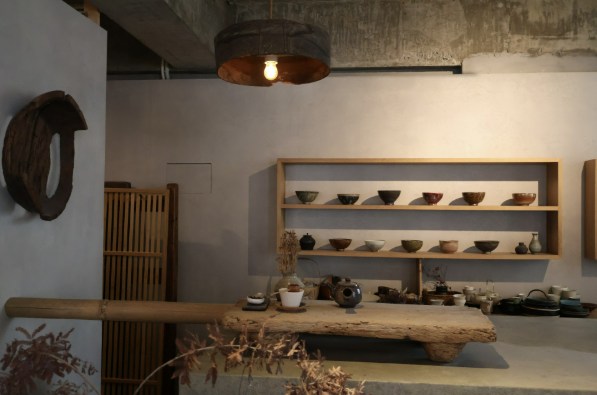
In Mangwon-dong, T. Nomad has become something of a pilgrimage site for serious matcha fans. The reservation-only teahouse operates on 90-minute sessions and offers a quiet, refined environment that feels closer to a Japanese tea room than a typical Seoul cafe. Each table is meticulously set, and visitors often note the calm, almost meditative atmosphere.
The menu includes tea by the pot, simple Japanese-style confections and retail options for gifting. One signature experience is the Chabing Set for two (32,000 won), which includes the cafe’s own tea, a selection of rice cake or castella, and a shaved ice dessert flavored with either matcha or roasted hojicha.
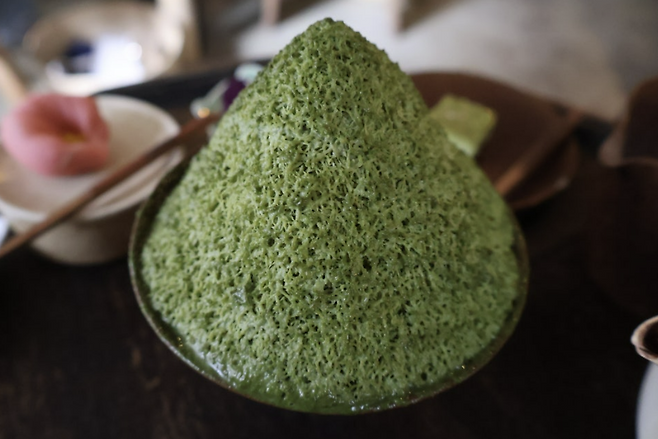
In the center of the room sits a large iron pot resting on a bed of sand, a traditional feature that keeps hot water available for refills throughout the tea session. The detail underscores the cafe’s commitment to hospitality and ritual, elements that attract international visitors as well as locals. English-language menus are also provided.
From Korz’s frothy cappuccino to Dongdong’s Nagoya-sourced brews and T. Nomad’s serene tea service, Seoul’s cafes are showing just how versatile matcha can be. The approaches differ, but all highlight the growing demand for quality tea experiences.
As matcha continues its global ascent, the green powder is not just a drink but an experience, one that bridges cultures while offering new ways to savor a centuriesold tradition.
Copyright © 코리아헤럴드. 무단전재 및 재배포 금지.