Once a rebellious hobby, Korea’s snowboarding breaks through with two stunning medals so far
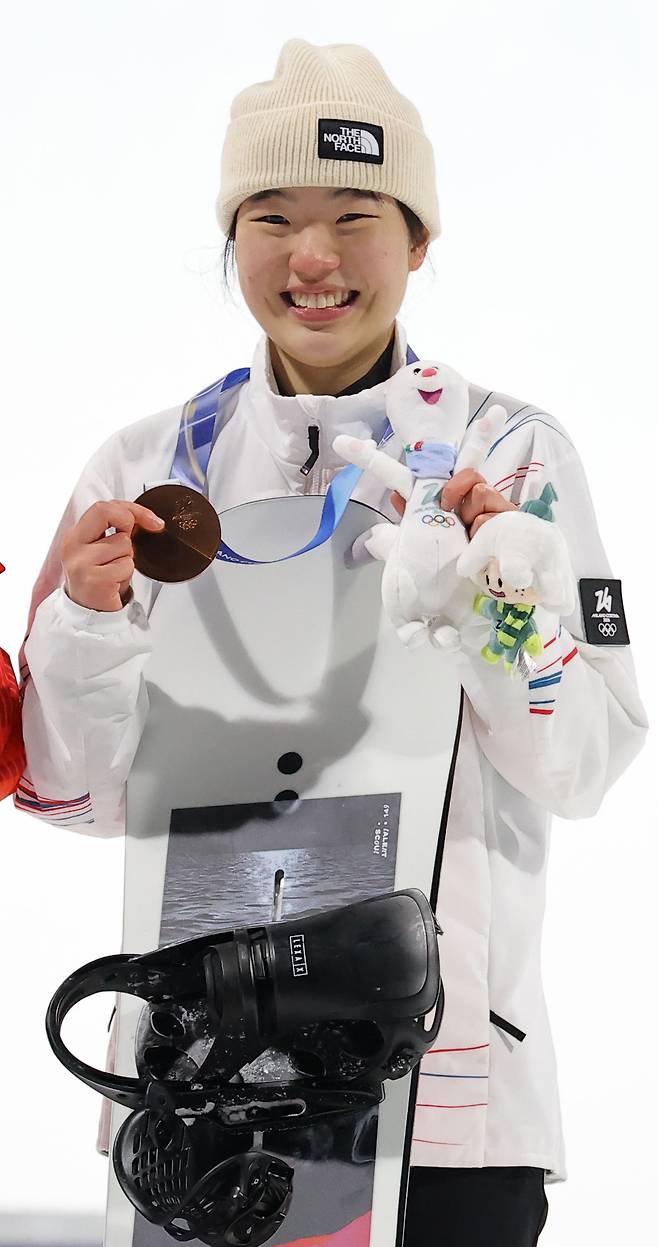
When Yu Seung-eun, 18, stepped onto the Olympic podium Monday night, the moment carried far more meaning than a single medal.
On her Olympic debut, she became the first South Korean woman to win an Olympic medal in skiing or snowboarding, capturing bronze in the women’s snowboard big air at the 2026 Milan Cortina Winter Games and signaling the arrival of a new generation of Korean snow sports.
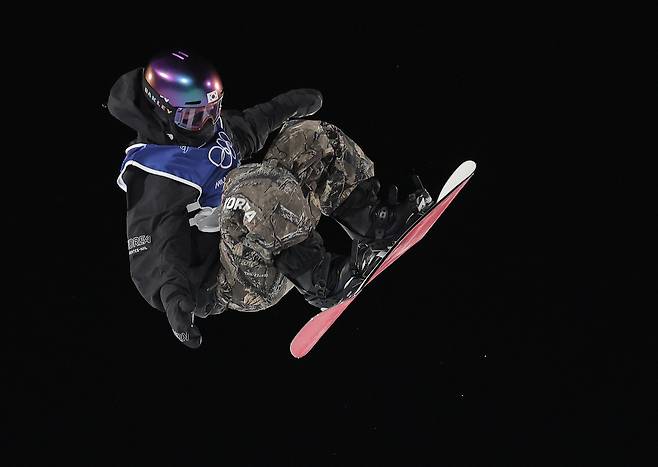
Big air is a freestyle discipline judged on difficulty, execution and style, rewarding creativity and risk — from triple corks to near-vertical 1,980-degree spins — rather than split-second timing. The event has increasingly become a showcase for a younger generation pushing technical boundaries.
Yu finished with 171 points in the final, trailing Japan's Kokomo Murase, who took gold with 179.00 points and New Zealand's Zoi Sadowski Synnott, who earned silver with 172.25 points.
The teenage trailblazer landed a backside triple cork 1440 mute grab — a highly technical move featuring four full rotations and three off-axis flips while gripping the board with the front hand.
But the numbers tell only part of the story.
For a country whose winter-sports identity has long been shaped by ice — especially short track speed skating — Korea has built its Olympic success around tightly structured, time-based disciplines, backed by deep talent pools and an elite sports system that starts as early as kindergarten.
Yu’s breakthrough suggests that Korea’s future on snow may finally be taking shape in a sport once viewed as a niche, even rebellious hobby.
Snowboarding entered Korea in the early 1990s through youth and skate culture and was widely seen as a lifestyle trend rather than a sport. At the time, some ski resorts even restricted snowboarders, reflecting how far the discipline was from being taken seriously at the elite level.
Although the Korea Ski and Snowboard Association was established in 1995 to organize competitions, the sport remained small and largely peripheral within the country’s winter sports for years.
A symbolic milestone came at the 2010 Vancouver Winter Olympics, when Kim Ho-jun became the first South Korean snowboarder to compete at the Games in the men’s halfpipe.
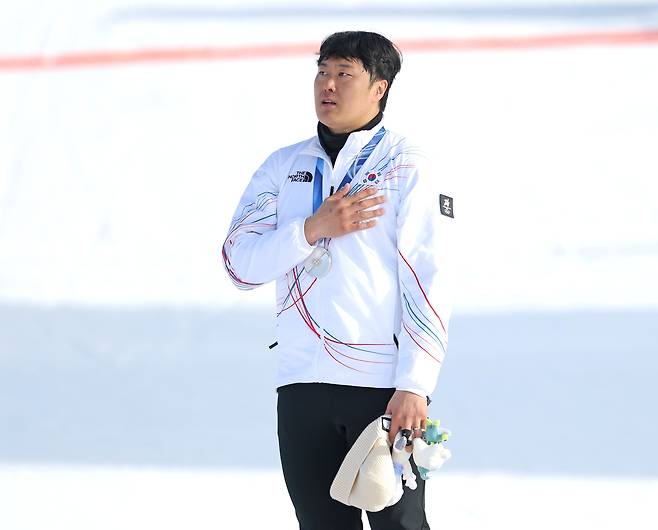
At the 2018 PyeongChang Winter Games, alpine snowboarder Lee Sang-ho became the first Korean and Asian man to win a medal in the event with silver. On Sunday, Kim Sang-kyum became the second Korean snowboarder to win an Olympic medal, taking silver in the men's parallel giant slalom.
Yu, the newest face of that rise, has followed a path that has been anything but smooth.
She first stepped onto a snowboard in third grade after following her father to a ski resort. What began as a family outing quickly became something more serious.
By 2023, the 18-year-old had emerged as one of Korea’s most promising young riders, winning silver in women’s big air at the FIS Snowboarding Junior World Championships.
Then came a year that nearly brought everything to a halt.
Yu fractured her right ankle and spent more than a year in rehabilitation. Shortly after returning, she broke her wrist. But her injuries didn’t stop her from chasing her dreams.
In December, she placed seventh at the FIS Snowboard World Cup in Beijing. Days later, she captured her first career World Cup medal at a FIS Snowboard World Cup event in Colorado, becoming the first Korean rider to medal in women’s big air on the World Cup circuit.
Copyright © 코리아헤럴드. 무단전재 및 재배포 금지.