Why Jollibee is leaning into K-food ahead of US listing
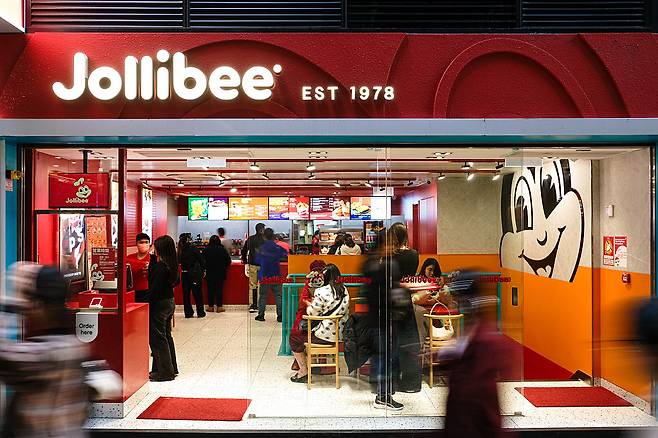
Jollibee Foods Corp., the Filipino fast food giant behind the namesake brand, has turned to South Korea for its latest acquisition, adding a hot pot restaurant chain to its global portfolio, in a move that appears aimed as much at Wall Street as at regional expansion.
On Feb. 20, Jollibee agreed to acquire All Day Fresh, operator of hot-pot chain Shabu All Day, for $87 million through its Korean unit, Jolli-K Co., alongside private equity firm Elevation Equity Partners. The Manila-based company will hold a 70 percent stake, with the private equity firm retaining 30 percent.
Founded in 2023, Shabu All Day leads the nation’s hot pot segment by store count, operating 170 locations nationwide and generating 54 billion won ($38 million) in revenue in 2024.
The deal would add to the group’s portfolio of 19 food and beverage brands, including its flagship Jollibee chain, which together operate more than 10,000 stores across 33 countries.
“With Compose Coffee and now Shabu All Day, Jollibee Group continues to demonstrate its strengthened ability to acquire high quality, profitable businesses that align squarely with our strategic pillars and deliver meaningful long‑term value to our shareholders,” Jollibee Chair Tony Tan Caktiong said in a statement.
The investment reflects the group’s “disciplined approach to capital allocation” focused on scalable and financially accretive brands, he added.
The purchase builds on the group’s acquisition of a 70 percent stake in Korean cafe franchise Compose Coffee for $238 million in 2024, a brand the company described as “on track to becoming the largest, fastest-growing and leading value coffee player in South Korea.” The chain operates more than 3,100 stores nationwide.
Jollibee’s push into Korea nearly extended further last year, when the company pursued an acquisition of chicken franchise Norang Tongdak, only for negotiations to falter over valuation.
Korean food concepts are poised to enter the Philippines, with Compose Coffee set to debut this year under a master franchise agreement and hot pot dining expected to follow, signaling a strategy that could extend well beyond Asia.
“Jollibee’s successive acquisitions of Korean restaurant brands go beyond simple investment,” said one industry official. “The company appears to be securing brands with global scalability and using them as a springboard to expand into Southeast Asia and other overseas markets to raise corporate value.”
Jollibee’s growing K-food portfolio comes into clearer focus alongside plans for a US listing of its international business by 2027, according to company disclosures in January, even as its Philippine business remains listed on the Philippine Stock Exchange.
“The US capital markets have deep investor-based experience in valuing global consumer and restaurant growth companies,” said Jollibee Group International CEO Richard Shin during a recent media roundtable, adding that the group’s international business is ready to operate as a standalone entity.
The logic is reinforced, industry observers say, by the rising global appeal of Korean food brands, which could help bolster financial stability while adding operational expertise honed in one of Asia’s most competitive restaurant markets.
In the October-December period, Jollibee Foods Corp. posted its strongest quarterly performance, with systemwide sales rising 12 percent on-year to a record 122.3 billion Philippine pesos ($2.2 billion).
The business grew 9.7 percent, while international operations rose 15.4 percent, supported by 24.2 percent growth at Compose Coffee. The group said its recent acquisition of Shabu All Day is expected to lift revenue by about 2 percent and raise the international division’s contribution to total global revenue to roughly 46 percent.
Copyright © 코리아헤럴드. 무단전재 및 재배포 금지.