Could old homes be Korea's new hot stay?
전체 맥락을 이해하기 위해서는 본문 보기를 권장합니다.
Between 2011 and 2014, the Culture Ministry selected 84 traditional homes at least 70 years old as "premium gotaek."
"Many tell us they like the atmosphere," said Soeun Gotaek operator Oh Yeon-rok. "Our gotaek still has a strong sense of age. So much of its old appearance remains today."
이 글자크기로 변경됩니다.
(예시) 가장 빠른 뉴스가 있고 다양한 정보, 쌍방향 소통이 숨쉬는 다음뉴스를 만나보세요. 다음뉴스는 국내외 주요이슈와 실시간 속보, 문화생활 및 다양한 분야의 뉴스를 입체적으로 전달하고 있습니다.
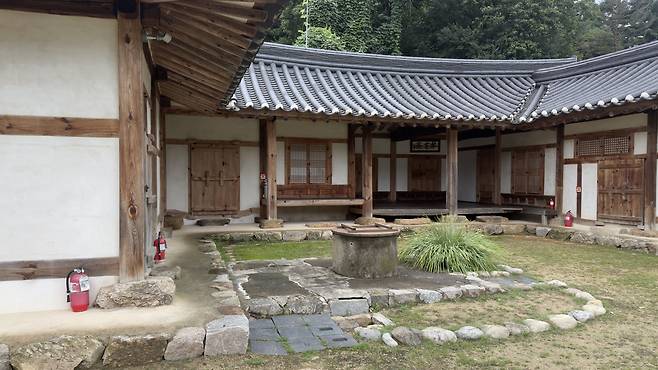
YONGIN, Gyeonggi — People come and go, naturally. Houses, if they are lucky, stay much longer.
For one house in Yongin, Gyeonggi, that has meant watching generation after generation of descendants of Yi Ja (1480–1533), a civil official of the Joseon Dynasty (1392–1910), call it home.
And the house, known as the House of the Eumaegong Branch of the Hansan Yi Clan, shows its age.
Wooden beams have weathered with time. Pillars bear holes, scratches and other marks that have accumulated over the centuries. The wooden maru, or raised floor, has darkened beneath generations of people sitting and resting there.
"Even the stones beneath the house remain exactly where they originally stood,” said one of Yi’s descendants who now looks after the house.
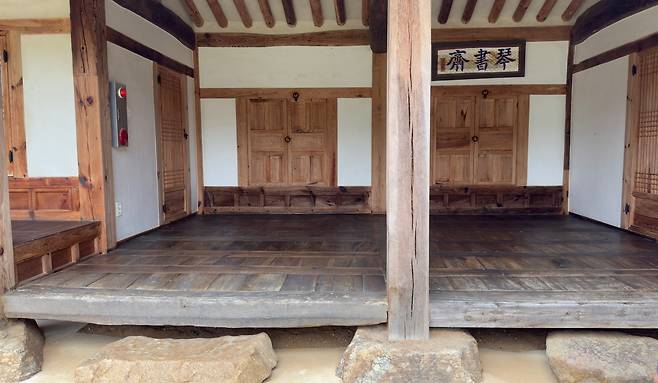
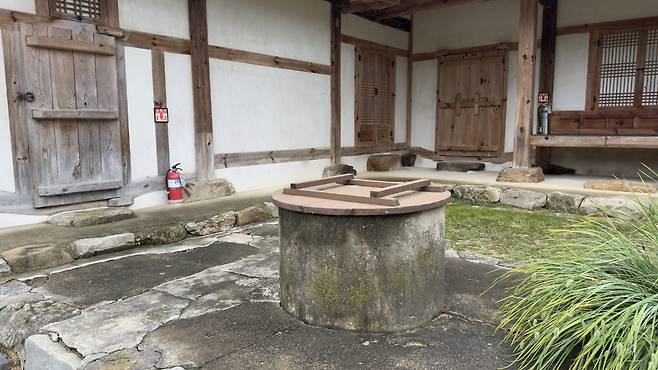
It's a gotaek, literally meaning "old house" — a home that has stood for decades or even centuries, carrying the stories of the people who lived there. While even a house built last week can be called a hanok as long as it fulfills necessary architectural requirements, only one that has stood the test of time can be a gotaek.
Hanoks have played a central role in accommodating foreign travelers in Korea. Hanok stay reservation platform Butler.Lee said foreign tourists accounted for about 70 percent of its guests in 2024, when it operated around 40 hanok properties.
Now, Korea wants to do more than just preserve gotaek — it wants travelers to experience them by stepping inside and spending the night.
And interest seems to be there. Searches for "gotaek," both in Korean and English, on Trip.com between January and August increased by more than 50 percent from the same period last year, according to data provided by the travel platform.
Could gotaek, then, become the next hanok stay?
Turning history into tourism
There is no legal definition or age threshold for what constitutes a gotaek. The term is generally used for residential homes that carry the histories of the families who lived in them.
Given their historical significance, some gotaek are recognized as heritage properties at the national or local level. As of July, 189 were designated as National Folklore Cultural Heritage properties by the Korea Heritage Service (KHS), while others are protected by provincial and municipal governments.
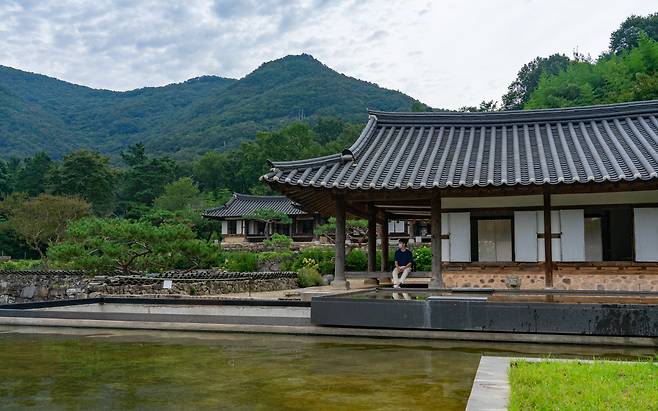
One of the better-known gotaek today is Awon Gotaek in Wanju, North Jeolla, which became widely recognized after boy band BTS held a photo shoot there in 2019. The 250-year-old house has also served as a filming location for other productions, including Netflix's "Perfect Crown."
Nearby Soyang Gotaek is also well known, while Andong, North Gyeongsang, is particularly noted for its concentration of gotaek, including Bukchondaek in Hahoe Village.
Such homes have increasingly found new life as tourism destinations, a shift the government has been encouraging for years.
Government efforts date back at least to 2011, when the Ministry of Culture, Sports and Tourism launched a pilot project to transform gotaek into traditional cultural tourism attractions.
The initiative selected gotaek and supported improvements to the properties, allowing them to offer cultural programs centered on traditional lifestyles, with some also serving as accommodation facilities.
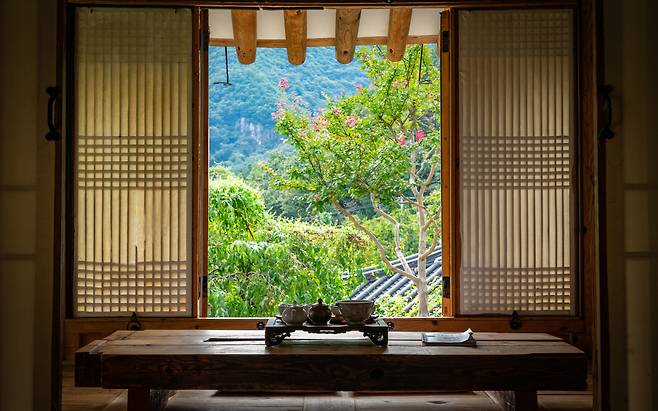
Efforts to go beyond simply preserving gotaek have continued. In 2020, the KHS launched a separate initiative supporting the development of cultural programs and overnight stays at designated or registered heritage gotaek.
The initiative began with 39 selected properties in 2020, but has since grown to 48 this year.
Participation has grown as well. In 2022, 52,466 people participated in the programs, including 6,472 who took part online. By 2025, participation, all of whom took part offline, had risen 19.2 percent to 62,555, according to data provided by the KHS.
Of the 48 properties selected this year, 18 offer accommodation programs.
The House of the Eumaegong Branch of the Hansan Yi Clan in Yongin is one of them. Alongside craft and cultural programs, the house offers a paid two-day program called “A Hermit’s Life Under the Moonlight.”
The overnight program combines a tour of the gotaek and activities, including making a jojokdeung, a traditional lantern. The first two sessions held this year quickly filled up, according to the organizer.
Drawing foreign eyes
If gotaek are to follow hanok in becoming a distinctive form of accommodation that travelers actively seek out, international tourists are particularly important.
There are already signs of growing interest.
Foreign participation in the KHS’s gotaek programs has increased. A total of 786 foreign nationals participated in offline programs in 2022, compared to 1,169 in 2025, an increase of about 48.7 percent.
Searches for “gotaek” also surged 583 percent between January and August on Trip.com’s international sites, excluding its Korean site, compared to the same period last year, according to the platform.
Gotaek accommodation operators are seeing that interest on the ground as well.
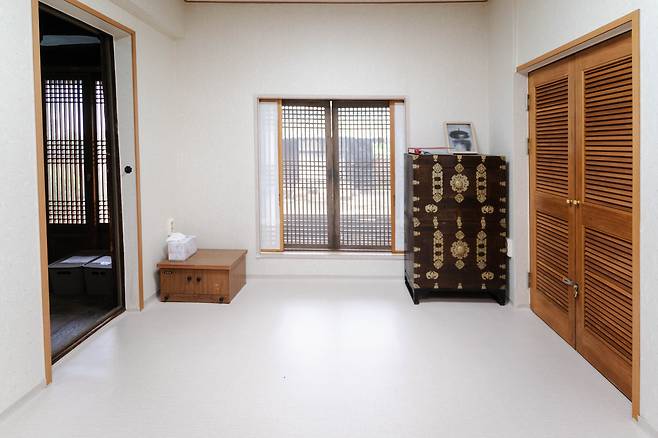
“Many tell us they like the atmosphere,” said Soeun Gotaek operator Oh Yeon-rok. “Our gotaek still has a strong sense of age. So much of its old appearance remains today.”
The potential of staying old
There are, however, fundamental problems with turning centuries-old homes into places to stay: They are, simply, old.
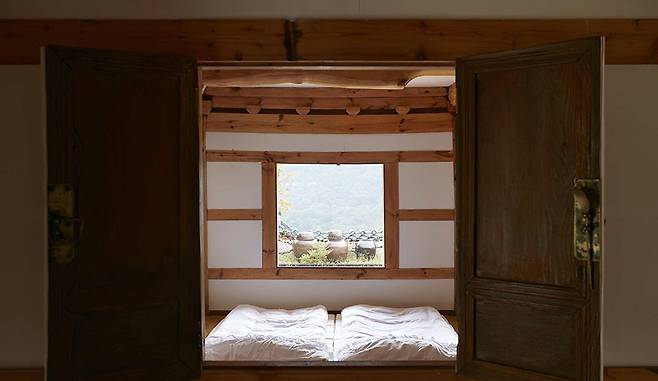
Preserving these historic homes while opening them to visitors also limits how extensively they can be upgraded for guests, potentially disappointing travelers accustomed to the greater comfort and convenience of newer hotels and other accommodations.
“Gotaek are actually uncomfortable,” said Lee Hoon, a professor of tourism at Hanyang University, recalling spending a winter night in one.
But that does not necessarily diminish their appeal, according to Lee.
“Despite that, what makes them attractive is the stories they hold and the fact that you can get an understanding of the people who lived there,” the professor said. “In that sense, I think they have plenty of appeal.”
Jeong Ran-soo, an adjunct professor at Hanyang University's Department of Tourism, also said travelers who seek out gotaek generally understand that they may be less convenient than hotels.
“They don't necessarily need to be as convenient or accessible as hotels,” Jeong said.
Still, basic infrastructure needs to be in place if gotaek are to attract a broader range of travelers, he said. That includes public transportation access, language support and payment systems that foreign visitors can easily use.
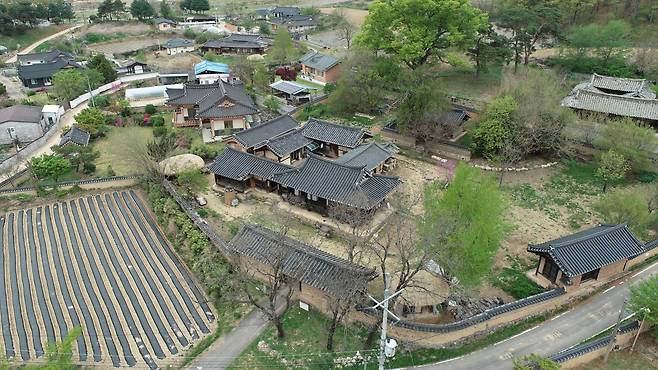
The government is now looking to take their potential as accommodation even further. In February, it announced plans to develop a Korean version of Spain's paradores, a network of hotels housed in historic buildings, with gotaek among the types of properties envisioned for the Korean model.
Jeong also sees potential for gotaek to develop into a distinctive form of accommodation in Korea.
“People want places that have actually been cared for over the years, places that are old and have a genuine sense of authenticity,” Jeong said.
But developing more historic homes for tourism also presents a dilemma. Jeong noted that properties of cultural heritage value can be difficult to manage and come with various restrictions, making it necessary to weigh visitor convenience against preservation.
“The key will be how to balance tourists’ convenience with those constraints, while preserving the properties,” Jeong said.
BY WOO JI-WON [woo. jiwon@joongang.co.kr]
Copyright © 코리아중앙데일리. 무단전재 및 재배포 금지.