[존 프랭클의 문무겸전] AI 시대 강의실에서 종이사전 고집하는 이유
이 글자크기로 변경됩니다.
(예시) 가장 빠른 뉴스가 있고 다양한 정보, 쌍방향 소통이 숨쉬는 다음뉴스를 만나보세요. 다음뉴스는 국내외 주요이슈와 실시간 속보, 문화생활 및 다양한 분야의 뉴스를 입체적으로 전달하고 있습니다.
배움의 세계에서 효율은 毒, 불편을 초대해 ‘지적 체력’ 기르길
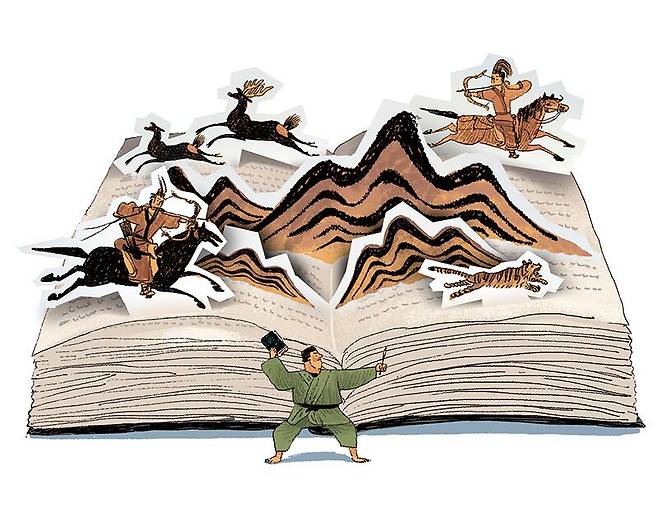
국적과 나이, 성별, 직업에 상관없이, AI를 축복으로 여기든 저주로 여기든 그 중간 어디쯤이든, 인간 존재의 거의 모든 측면에 영향을 미치는 AI의 영향력에 대해 생각하지 않을 수 없다. AI의 영향력은 이제 피할 수 없으며 갈수록 커지고 있다.
경력의 끝을 바라보는 중년의 문학 교수로서, 나는 이 불길한 사안을 다소 제한적이지만 유익한 시각에서 보게 된다. 표절은 오랫동안 학생뿐 아니라 교수 사회에서도 문제가 되어 왔고, 지금도 여전히 문제다. 컬럼비아대, 하버드대, 연세대, 그리고 최근에는 케임브리지대에서 나는 정년 보장 교수들의 심각한 표절을 목격했다.
AI는 저자 자신의 창작물이 아니면서도 기존 텍스트나 다른 저작물의 복제물도 아닌 ‘학술’ 작업을 가능하게 함으로써, 이 문제를 복잡하게 만드는 동시에 악화시킨다. 자신의 창작물이 아니라는 점은 표절의 전통적 정의에 부합하지만, 기존 저작물을 단순히 베낀 것도 아니다. 여기에 AI 환각의 문제까지 더해지면 이 난제는 더 풀기 어려워진다. 그러나 일단 여기서는 누군가의, 혹은 무언가의 작업물을 자신의 것인 양 내놓는 행위는 윤리적·법적으로도 옳지 않다고 말하는 것으로 충분할 것이다.
그런데 이런 종류의 거짓 행위는 기만적이고 금지된 것일 뿐 아니라 상당히 해롭다. 학술 기관의 명성과 진실성을 훼손하고, 그 일을 저지르는 개인에게도 그 못지않게, 어쩌면 그보다 더 해롭다. 대부분의 독자가 충분히 납득할 것이다. 그렇다면 이 문제가 무술 수련과는 어떻게 연결될까.
신체 단련은, 최근 유행하는 달리기의 형태를 취하건 요가나 웨이트트레이닝처럼 보다 전통적인 방식을 취하건, 우리 몸과 마음을 나태로부터 지켜주는 훌륭한 예방책이다. 나태가 일곱 가지 죄악에 포함된 것은 결코 우연이 아니다! 일부 실전 무술에는—오늘날 사람들이 배우는 무술의 압도적 다수가 이 범주에 들지 않는다는 점을 밝혀둔다—외부의 위협으로부터 자신을 방어할 수 있게 해준다는 이점이 하나 더 있다. 그러나 신체 단련과 현재 우리가 처한 곤경 사이에는 운동이나 호신보다 훨씬 더 중요한 연결 고리가 있다.
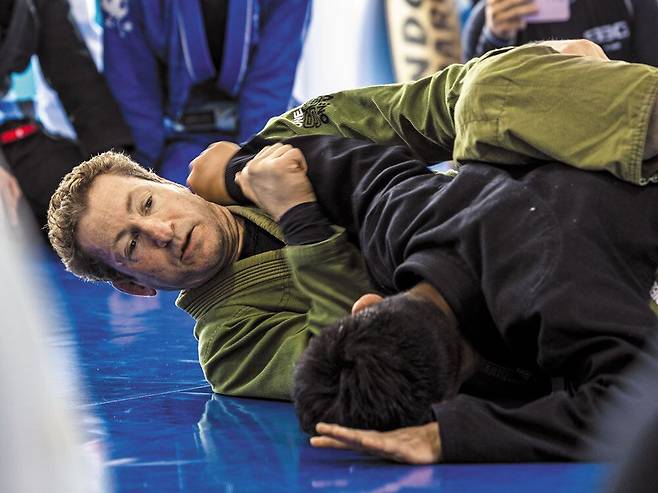
본래 나태라는 말에는 단순한 게으름보다 훨씬 더 많은 의미가 담겨 있었다. 기독교의 오래된 개념인 아케디아(acedia)는 육체적으로, 지적으로, 영적으로 힘써 단련하기를 거부하는 태도, 즉 인간으로서 자신을 발전시켜 나가는 행위들을 게을리하는, 책망받아 마땅한 태도를 아우르는 말이었다. 이러한 구분은 귀한 기회를 고역으로 여기기 쉬운 오늘날 더욱 중요해진다. 어려운 책을 읽는 일, 호락호락하지 않은 문장을 번역하느라 씨름하는 일, 한 문단이 마침내 우리가 정말로 의도한 바를 말할 때까지 쓰고 또 고쳐 쓰는 일, 시를 외우는 일, 그림을 배우는 일, 똑같은 주짓수 동작을 수천 수만 번 반복하는 일은 모두 답답하고 비효율적일 수 있다. 그러나 그 비효율이야말로 핵심이라면?
AI가 표방하는 가장 위험한 약속 중 하나는 AI가 이런 부담에서 우리를 해방시킨다는 것이다. 그러나 이 ‘부담’이야말로 사실은 단련이다. 그것은 우리가 해야만 하는 일이라기보다는 우리가 누릴 수 있는 일이다. ‘오디세이아’에서 무슨 일이 벌어지는지를 다소 피상적으로 아는 것만이 목표라면 AI에 ‘오디세이아’를 요약하게 하는 것이 효율적일 수 있다. 그러나 ‘오디세이아’를 읽고, 사색하고, 그에 응답할 수 있는 사람이 되는 것이 목표라면 효율성은 역효과를 낳는다. 이는 42.195㎞를 자동차로 달린 뒤 마라톤을 완주했다고 주장하는 것과 흡사하다. 자동차는 제 기능을 수행했다. 그러나 안타깝게도 당신은 당신의 몫을 다하지 않았다.
그런 이유에서 나는 세상이 기술적으로 정교해질수록 강의 일부를 의도적으로 아날로그화했다. 구식 종이사전, 손으로 쓰는 과제, 손으로 치르는 서술형 시험을 점점 더 많이 요구한다. 이것은 향수가 아니며, 학생들의 기술 사용을 막으려는 돈키호테적 시도는 더더욱 아니다. 내 치아를 직접 치료하고 싶지 않은 것처럼, 자동차도 컴퓨터도 AI도 없는 세상으로 돌아가고 싶은 마음은 추호도 없다. 오히려 나는 학생들이 충분한 ‘지적 체력’을 갖추기를 바란다. 그래야 이 비범한 도구가, 그것 없이는 학생이 제 능력을 발휘할 수 없게 만드는 보철물이 아니라 하나의 도구로 남을 수 있다. 균형, 근력, 유연성, 지구력은 단련하지 않으면 쇠퇴한다. 기억력, 집중력, 상상력, 판단력, 그리고 독창적인 생각을 빚어내고 표현하는 능력도 마찬가지다.
<영문 원고>
No matter one’s nationality, age, gender, or present occupation, and whether one considers it a blessing or a curse (or something in between), it is nearly impossible to avoid pondering AI and its ineluctable and ever-expanding influences on practically every aspect of human existence.
My own positionality as a middle-aged professor of literature nearing the end of his career provides a narrow but instructional lens from which to view this ominous issue. Plagiarism has long been and still remains a problem not only among students but among professors as well. During my own brief career alone, I have witnessed egregious plagiarism from tenured faculty members at Columbia, Harvard, Yonsei, and, most recently, Cambridge University. AI both complicates and exacerbates this issue by enabling “academic” work that is at once not the product of the author’s while also not being a copy of any preexisting texts or other sources. The former adheres to traditional definitions of plagiarism, while the latter does not. Add to this the problem of AI hallucination, and the conundrum grows all the more difficult to disentangle. Suffice it to say, however, that passing off someone—or in this case something—else’s work as one’s own is contrary to both ethics and law.
This sort of misrepresentation, more than simply being fraudulent and forbidden, however, is also quite pernicious. While the harm caused to the reputation and integrity of academic institutions may be self-evident, deceit of this kind is equally if not more harmful to the individual perpetrating it. The above may all be apparent enough to most readers, but then we are left with the question of how this relates to martial training, “the sword,” a full half of the title of this series.
Physical training, whether it takes the form of the currently modish running or more traditional approaches such as yoga or lifting weights, represents an excellent prophylactic to protect our bodies and minds from sloth, which was absolutely not included as one of the seven deadly sins by accident! Certain functional martial arts—spoiler alert, the vast majority of martial arts taught today do not fall into this category—have the one added benefit of enabling one to defend oneself from external threats as well. But there is a much more important connection between physical training and our current predicament than either exercise or self-defense.
Sloth, after all, originally meant considerably more than mere laziness. The older Christian concept of acedia encompassed a culpable unwillingness to exert oneself physically, intellectually, and spiritually—to neglect the very practices through which one develops oneself as a human being. This distinction seems particularly important at a historical moment when we increasingly mistake privileges for drudgery. Reading a difficult book, struggling to translate a recalcitrant sentence, writing and rewriting a paragraph until it finally says what we actually mean, memorizing a poem, learning to draw, or drilling the same Jiu Jitsu movement thousands upon thousands of times can all be frustrating and inefficient. But what if the inefficiency is precisely the point?
One of the most dangerous promises of AI is that it can relieve us of these burdens. But these “burdens” are in fact training. They are not things we have to do but rather things that we get to do. Having AI summarize The Odyssey may be wonderfully efficient if one’s goal is simply to know, rather superficially, what happens in The Odyssey. But if the goal is to become the sort of person capable of reading, contemplating, and responding to The Odyssey, the efficiency is entirely counterproductive. It is rather like driving twenty-six miles and then claiming to have completed a marathon. The automobile has performed its function perfectly; unfortunately, you have not performed yours.
For precisely this reason, the more technologically sophisticated the world becomes, the more deliberately analog certain portions of my own classroom have become. I increasingly require old-fashioned paper dictionaries, handwritten exercises, and blue-book examinations. This is not nostalgia, much less some quixotic attempt to prevent my students from using technology. I have no desire to return to a world without automobiles, computers, or AI any more than I wish to perform my own dentistry. Rather, I want my students to possess sufficient intellectual fitness so that these extraordinary tools remain tools rather than prostheses without which they can no longer function. Balance, strength, flexibility, and endurance deteriorate when they are not exercised. So too do memory, concentration, imagination, judgment, and the ability to formulate and express an original thought.
Copyright © 조선일보. 무단전재 및 재배포 금지.
- 화성 마사지 업소 화재… 1명 사망, 1명 심정지
- [속보] 李대통령·트럼프 정상회담... “美, 北과 대화 의지 재확인”
- ‘4수’ 만에 이룬 메달… 육상 첫날 男경보 최병광 동메달 수확
- [속보] 감사원, 선관위 주요 선거 예산 집행서 위법 행위 6건 적발… 특검에 송부
- [부음] 박정훈 조선일보 논설실장 부친상
- ‘재제청 거부’ 조희대 대법원장 출근... ‘추천위 구성’ 등 질문에 침묵
- 조국 “민주당 계속 헛발질… 배제의 정치 그만하고 개혁 시간표 제시하라”
- 이정현 검찰총장 직무대행 “李 공소 취소, 진상조사단 결과 봐야”
- “태양광은 미국의 안보 전략 자산”…반토막난 태양광주, 언제 사야할까
- [인터뷰] ‘아메리칸 학원’ 이민진 작가 “삶의 규칙은 이미 바뀌었다”