금시세(금값) 급락
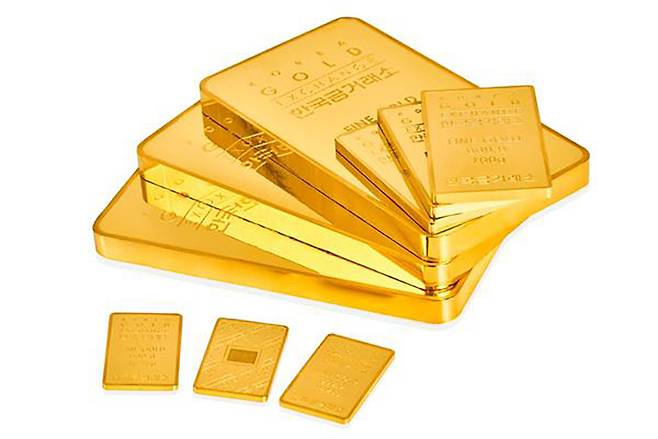
-오늘의 금시세(KRX 1.48%↓, 한국금거래소 1.62%↓)
-한국금거래소 순금 살 때 86만2천원
-KRX 금가격 g당 19만6천990원
-전날 장중 20만원 돌파…다시 19만원대
-국제 금값 1.1% 하락…4,400달러선 내줘
-美 장기 국채금리 급등…30년물 2007년 이후 최고
-호르무즈 긴장에 유가 상승…인플레이션 우려 확대
-국제 은값 2.8%↓…국내 은가격 3.89%↓
-FOMC 회의록·美 금리 경로 향후 변수
국내 금시세가 큰 폭으로 하락했다. 한국금거래소 순금 가격은 한 돈에 86만2천원으로 내려왔고, 한국거래소(KRX) 금값도 1% 넘게 떨어지며 g당 20만원선을 다시 내줬다.
국제 금가격이 미국 장기 국채금리 상승과 국제유가 강세에 밀려 온스당 4,400달러 아래로 내려온 영향이 국내시장에도 반영된 것으로 풀이된다.
19일 오전 11시50분 기준 한국금거래소에서 순금(24K·3.75g)을 살 때 가격은 86만2천원으로 전날 마감가 87만6천원보다 1만4천원(1.62%) 내렸다.
팔 때 가격은 72만7천원으로 전날보다 7천원(0.96%) 하락했다.
18K 금 제품을 팔 때 가격은 53만4천400원으로 전날보다 5천100원(0.95%), 14K는 41만4천400원으로 4천원(0.97%) 각각 내렸다.
백금과 은 가격의 낙폭은 금보다 컸다.
백금 한 돈을 살 때 가격은 34만원으로 전날보다 8천원(2.35%) 하락했다. 팔 때 가격도 27만5천원으로 8천원(2.91%) 내렸다.
은은 한 돈을 살 때 1만1천820원으로 460원(3.89%) 떨어졌다. 팔 때는 9천980원으로 400원(4.01%) 하락하며 1만원선 아래로 내려갔다.
KRX 금시장도 약세를 보이고 있다.
같은 시각 KRX 금시장에서 1g당 금 가격은 전날보다 2천960원(1.48%) 내린 19만6천990원에 거래되고 있다.
이날 금가격은 19만6천230원으로 출발했다. 장중 19만7천760원까지 올랐지만 저가는 19만6천150원을 기록했다.
전날 KRX 금값은 19만9천950원에 마감했다. 장중 20만2천원까지 올랐지만 이날 다시 19만원대로 내려왔다.
국내 금 가격의 하락은 국제 금시장의 조정과 맞물렸다.
미국 현지시간 18일 현물 금 가격은 온스당 4,364.90달러로 1.1% 하락했다. 미국 12월 인도분 금 선물도 1.2% 내린 온스당 4,420.60달러에 거래를 마쳤다.
국제 금시세는 하루 전까지만 해도 강한 상승세를 나타냈다.
17일 현물 금가격은 온스당 4,400달러선을 회복했다. 미국의 고용과 소비, 물가 지표가 잇따라 둔화하면서 연방준비제도(Fed)의 추가 금리 인상 가능성이 낮아졌다는 기대가 금값을 끌어올렸다.
하지만 하루 만에 분위기가 달라졌다.
이번에는 미국을 비롯한 주요국의 장기 국채금리 상승이 금시장을 압박했다.
미국 30년 만기 국채 수익률은 장중 5.3%를 넘어서며 2007년 이후 가장 높은 수준까지 올랐다. 10년 만기 국채 수익률도 4.7%대를 나타냈다. 일본과 유럽에서도 장기 국채금리가 수년 또는 수십 년 만의 높은 수준으로 올라섰다.
금은 채권이나 예금과 달리 이자를 지급하지 않는다.
따라서 시장금리가 상승하면 이자를 받을 수 있는 채권 등에 비해 금을 보유하는 데 따른 상대적인 기회비용이 커진다. 특히 최근처럼 장기 국채금리가 가파르게 오르면 금가격에는 부담으로 작용할 수 있다.
국제유가 상승도 금시장에 복합적인 영향을 미치고 있다.
미국과 이란의 협상 전망이 불투명해지고 호르무즈 해협을 둘러싼 긴장이 이어지면서 국제유가는 강세를 나타냈다. 브렌트유는 배럴당 90달러를 넘어섰다.
중동의 지정학적 긴장은 통상 안전자산인 금 수요를 자극할 수 있다.
그러나 현재 시장에서는 또 다른 경로가 강하게 작용하고 있다. 유가 상승이 미국의 인플레이션을 다시 자극할 경우 연준이 높은 금리를 더 오래 유지하거나 추가 긴축에 나설 수 있다는 우려다.
물가가 다시 상승하면 연준의 금리 인상 가능성이 재부각될 수 있고 미국 국채금리 상승으로 이어질 수 있다. 안전자산 수요에는 긍정적이지만 통화정책 측면에서는 금가격에 부담이 될 수 있는 구조다.
최근 금시장에서는 이처럼 상반된 재료가 맞서고 있다.
미국의 고용·물가·소비 둔화는 연준의 추가 금리 인상 전망을 낮추면서 금시세에 긍정적으로 작용한다. 반대로 유가 상승과 장기 국채금리 급등은 금의 투자 매력을 떨어뜨리는 요인이다.
실제로 최근 미국 경제지표만 보면 추가 금리 인상 가능성은 이전보다 낮아졌다.
7월 소매판매가 예상 밖의 감소세를 나타냈고 물가 지표도 시장의 우려만큼 강하지 않았다. 이에 시장이 반영하는 9월 금리 인상 가능성은 35% 수준까지 떨어졌다. 일주일 전 약 55%와 비교하면 크게 낮아진 수준이다.
하지만 연준의 추가 금리 인상 전망이 후퇴한 것과 달리 장기 국채금리는 높은 수준을 유지하고 있다.
미국의 재정 부담과 국채 공급에 대한 우려가 장기금리에 영향을 미치는 가운데 AI 관련 대규모 투자를 위한 기업들의 자금 조달 수요도 금리 상승 요인으로 거론된다.
금시장에서는 연준의 정책금리 전망뿐 아니라 장기 국채금리의 움직임도 중요해졌다. 추가 금리 인상 전망이 약해지더라도 장기금리가 높은 수준을 유지하면 이자를 지급하지 않는 금에는 부담이 될 수 있기 때문이다.
금값이 최근 빠르게 상승했다는 점도 조정의 배경이다.
국제 금가격은 8월 들어 강한 반등세를 나타냈다. 이달 들어 금가격은 약 9% 상승하며 온스당 4,400달러 부근까지 올라왔다. 지난 1월 사상 최고치인 온스당 5,595달러를 기록한 뒤 6월에는 4,000달러 아래까지 밀렸지만 최근 다시 회복세를 보였다.
단기간 가격이 빠르게 오르면서 차익실현과 기술적인 저항도 커졌다.
시장에서는 200일 이동평균선이 자리한 온스당 4,500달러 안팎을 중요한 저항 구간 가운데 하나로 보고 있다. 최근 금 가격도 이 수준에 접근한 뒤 다시 4,300달러대로 밀렸다.
다만 중장기적인 금 투자 수요가 완전히 약해졌다고 보기는 어렵다.
아시아 지역에서는 투자 목적의 금 수요가 이어지고 있으며 중앙은행의 금 매입도 국제 금시장을 지지하는 요인으로 거론된다.
최근에는 기관 투자자들의 움직임도 주목받고 있다. 아시아 주요 거래 중심지에서 대형 금괴에 대한 매수 관심이 나타나고 있다. 일부 시장 전문가들은 최근 금값 반등에 기관이나 중앙은행, 국부펀드 등의 수요가 영향을 미쳤을 가능성도 제기한다. 다만 구체적인 매수 주체가 확인된 것은 아니다.
중국에서도 투자 목적의 금 수요가 이어지고 있다.
세계금협회(WGC)에 따르면 중국 금 ETF는 지난 5~6월 자금 유출 이후 7월 순유입으로 돌아섰다. 중국 인민은행도 금 보유량을 늘리는 등 중앙은행의 매입 기조를 이어가고 있다.
이 같은 투자·중앙은행 수요는 국제 금가격을 지지할 수 있는 요인이다. 반면 높은 금가격에 따른 장신구와 금화 수요 부진은 상승폭을 제한할 수 있다.
금의 장기적인 투자 수요를 긍정적으로 바라보는 시각도 있다.
세계금협회는 금이 일반적인 원자재와 달리 투자와 중앙은행 수요, 장신구와 산업 수요가 함께 존재한다는 점에 주목한다. 경제 상황에 따라 서로 다른 수요가 움직이는 만큼 포트폴리오 분산 수단으로서의 역할도 크다는 분석이다.
일부 금융기관 역시 장기 금가격의 상승 가능성을 열어두고 있다.
웰스파고 투자연구소는 최근 금가격 조정에도 아시아 투자자와 중앙은행의 수요가 이어지고 있다는 점 등을 근거로 장기적인 상승 흐름이 이어질 수 있다고 평가했다.
다만 올해 말 금가격 전망 범위는 온스당 4,900~5,100달러로 낮춰 잡았다.
단기적으로는 상당한 변동성을 열어두고 있다. 금리와 유가, 기술적인 저항에 따라 금값이 다시 조정을 받을 가능성도 배제할 수 없다는 것이다.
은 가격은 금보다 더 크게 흔들렸다.
미국 현지시간 18일 현물 은 가격은 온스당 63.96달러로 2.8% 하락했다. 백금은 2.5% 내린 1,725.41달러, 팔라듐은 3.1% 하락한 1,291.78달러를 기록했다.
국내에서도 같은 흐름이 나타났다.
한국금거래소에서 이날 은을 살 때 가격은 3.89% 떨어져 순금의 하락률 1.62%보다 낙폭이 컸다.
은은 금과 마찬가지로 귀금속 투자 수요의 영향을 받지만 산업용 수요의 비중도 높다. 이 때문에 금융시장과 경기 전망이 흔들릴 경우 금보다 가격 변동성이 커질 수 있다.
시장 참가자들의 시선은 이제 연준의 정책 신호로 향한다.
미국 현지시간 19일에는 지난 7월 연방공개시장위원회(FOMC) 회의록이 공개될 예정이다.
최근 미국 경제지표가 고용과 소비, 물가의 둔화를 가리킨 만큼 당시 정책위원들이 인플레이션과 경기, 향후 금리 경로를 어떻게 판단했는지가 관심사다.
회의록에서 추가 긴축에 신중한 분위기가 확인될 경우 최근 후퇴한 금리 인상 전망에 힘이 실릴 수 있다. 반대로 인플레이션에 대한 경계가 예상보다 강하게 나타나면 금리 전망이 다시 흔들릴 가능성이 있다.
금시장에서는 정책금리뿐 아니라 장기 국채금리의 움직임도 함께 살펴봐야 한다.
최근 금값이 금리 인상 가능성 하락에도 떨어진 데는 장기 국채금리 상승이 영향을 미친 것으로 풀이된다.
중동 정세와 국제유가 역시 주요 변수다.
호르무즈 해협을 둘러싼 긴장이 고조되면 안전자산 수요가 금가격을 지지할 수 있지만 유가 급등으로 인플레이션 우려가 커지면 오히려 국채금리를 끌어올려 금가격을 압박할 가능성도 있다.
국내 금시장에서는 환율도 변수다.
이날 오전 원·달러 환율은 1,401.70원이다. 최근 원화 가치가 강세를 나타낸 가운데 환율 하락은 국내 금시세에 추가적인 하방 요인으로 작용할 수 있다.
국제 금은 달러로 거래되기 때문에 원·달러 환율이 내려가면 같은 국제 금가격이라도 원화로 환산한 가격은 낮아질 수 있다. 국제 금가격 하락과 원화 강세가 동시에 나타날 경우 국내 금값의 하락폭이 상대적으로 커질 수 있다.
당분간 금시장은 미국의 금리 전망과 장기 국채금리, 국제유가, 중동 정세가 복합적으로 작용하며 변동성이 이어질 가능성이 있다. 특히 국제 금가격이 다시 4,400달러선을 회복할지, 최근 강한 저항으로 작용한 4,500달러 부근을 넘어설 수 있을지가 관심을 끈다.
실시간 금값시세는 한국금거래소와 한국거래소(KRX) 금시장에서 확인할 수 있다.
/박상진 기자 jhc@kjdaily.com
다음은 위 기사를 번역한 전문이다. 번역에 오류가 있을 수 있다.
<Precious Metals Market Trends on the 19th>
- Today\'s Gold Price (KRX 1.48%↓, Korea Gold Exchange 1.62%↓)
- 862,000 won for pure gold purchase at the Korea Gold Exchange
- KRX gold price 196,990 won per gram
- Surpassed 200,000 won during trading yesterday... Back to the 190,000 won range
- International gold price fell 1.1%... Gained the $4,400 mark
- US long-term Treasury yields surged... 30-year yield highest since 2007
- Oil prices rise due to Hormuz tensions... Inflation concerns grow
- International silver price 2.8%↓... Domestic silver price 3.89%↓
- FOMC minutes and future US interest rate path are variables
Domestic gold prices fell sharply. The price of pure gold at the Korea Gold Exchange fell to 862,000 won per don, and the price of gold on the Korea Exchange (KRX) also dropped by more than 1%, giving up the 200,000 won mark per gram once again.
This is interpreted as the impact of international gold prices falling below $4,400 per ounce, pushed down by rising long-term U.S. Treasury yields and strong international oil prices, being reflected in the domestic market.
As of 11:50 a.m. on the 19th, the buying price for pure gold (24K, 3.75g) at the Korea Gold Exchange was 862,000 won, down 14,000 won (1.62%) from the previous day\'s closing price of 876,000 won.
The selling price was 727,000 won, down 7,000 won (0.96%) from the previous day.
The selling price of 18K gold products fell by 5,100 won (0.95%) from the previous day to 534,400 won, while 14K gold fell by 4,000 won (0.97%) to 414,400 won.
The price drops for platinum and silver were greater than those for gold.
The buying price for one don of platinum fell by 8,000 won (2.35%) from the previous day to 340,000 won. The selling price also dropped by 8,000 won (2.91%) to 275,000 won.
For silver, the buying price fell by 460 won (3.89%) to 11,820 won per don. The selling price dropped by 400 won (4.01%) to 9,980 won, falling below the 10,000 won mark.
The KRX gold market is also showing weakness.
At the same time, the price of gold per gram on the KRX gold market is trading at 196,990 won, down 2,960 won (1.48%) from the previous day.
The gold price opened at 196,230 won today. Although it rose to 197,760 won during the session, the low was recorded at 196,150 won.
The KRX gold price closed at 199,950 won yesterday. While it rose to 202,000 won during the session, it fell back into the 190,000 won range today.
The decline in domestic gold prices coincided with a correction in the international gold market.
On the 18th (U.S. local time), the spot gold price fell 1.1% to $4,364.90 per ounce. U.S. December gold futures also closed at $4,420.60 per ounce, down 1.2%.
International gold prices showed a strong upward trend until just yesterday.
On the 17th, spot gold prices recovered the $4,400 per ounce mark. Expectations that the likelihood of further interest rate hikes by the Federal Reserve (Fed) had decreased, as U.S. employment, consumption, and inflation indicators slowed in succession, drove gold prices up.
However, the atmosphere changed within a single day.
This time, rising long-term government bond yields in major countries, including the United States, put pressure on the gold market.
The yield on U.S. 30-year Treasuries surpassed 5.3% during trading, reaching its highest level since 2007. The yield on 10-year Treasuries also stood in the 4.7% range. In Japan and Europe as well, long-term government bond yields rose to levels not seen in years or decades.
Unlike bonds or deposits, gold does not pay interest.
Therefore, when market interest rates rise, the relative opportunity cost of holding gold increases compared to assets that yield interest, such as bonds. In particular, if long-term government bond yields rise sharply as they have recently, it can act as a burden on gold prices.
Rising international oil prices are also having a complex impact on the gold market.
International oil prices showed strength as the prospects for negotiations between the U.S. and Iran became uncertain and tensions surrounding the Strait of Hormuz persisted. Brent crude surpassed $90 per barrel.
Geopolitical tensions in the Middle East can typically stimulate demand for gold, which is considered a safe-haven asset.
However, another channel is currently strongly at play in the market. There are concerns that if rising oil prices stimulate U.S. inflation again, the Federal Reserve may maintain high interest rates for a longer period or proceed with further tightening.
If prices rise again, the possibility of a Fed interest rate hike could resurface, leading to a rise in U.S. Treasury bond yields. While this is positive for demand for safe-haven assets, it creates a structure where it could put pressure on gold prices from a monetary policy perspective.
Recently, conflicting factors have been clashing in the gold market.
The slowdown in U.S. employment, inflation, and consumption is having a positive effect on gold prices by lowering expectations for further Federal Reserve interest rate hikes. Conversely, rising oil prices and a surge in long-term Treasury yields are factors that diminish gold\'s investment appeal.
In fact, looking solely at recent U.S. economic indicators, the likelihood of further interest rate hikes has decreased compared to before.
July retail sales showed an unexpected decline, and inflation indicators were not as strong as the market feared. Consequently, the market\'s reflection of the probability of a September rate hike has fallen to around 35%. This is a significant drop compared to approximately 55% a week ago.
However, unlike the retreat in expectations for further Fed rate hikes, long-term Treasury yields remain at high levels.
While concerns regarding U.S. fiscal burdens and the supply of government bonds are influencing long-term rates, corporate demand for financing for large-scale AI-related investments is also cited as a factor driving up interest rates.
In the gold market, movements in long-term Treasury yields have become just as important as the outlook for the Fed\'s policy rate. This is because even if prospects for further interest rate hikes weaken, if long-term interest rates remain high, it could place a burden on gold, which does not pay interest.
The fact that gold prices have risen rapidly recently is also a factor behind the correction.
International gold prices showed a strong rebound starting in August. Gold prices rose by about 9% this month, climbing to around $4,400 per ounce. After recording an all-time high of $5,595 per ounce last January, prices fell below $4,000 in June but have recently shown signs of recovery.
As prices rose rapidly in the short term, profit-taking and technical resistance also increased.
The market views the level around $4,500 per ounce, where the 200-day moving average is located, as one of the key resistance zones. Recently, gold prices approached this level before falling back to the $4,300 range.
However, it is difficult to conclude that demand for mid-to-long-term gold investment has completely weakened.
In Asia, demand for gold for investment purposes continues, and central bank gold purchases are cited as a factor supporting the international gold market.
Recently, the movements of institutional investors have also been drawing attention. Interest in buying large gold bars is emerging in major trading hubs across Asia. Some market experts suggest that demand from institutions, central banks, and sovereign wealth funds may have influenced the recent rebound in gold prices. However, specific buyers have not yet been identified.
Investment-purpose gold demand is also continuing in China.
According to the World Gold Council (WGC), Chinese gold ETFs turned to net inflows in July following capital outflows in May and June. The People\'s Bank of China is also maintaining its central bank purchasing stance, including increasing its gold reserves.
Such investment and central bank demand are factors that can support international gold prices. On the other hand, sluggish demand for jewelry and gold coins due to high gold prices could limit the extent of the rise.
There is also a perspective that views the long-term investment demand for gold positively. The World Gold Council notes that, unlike typical commodities, gold is subject to demand from investment, central banks, jewelry, and industry. Analysts suggest that gold plays a significant role as a means of portfolio diversification, as demand shifts according to economic conditions.
Some financial institutions are also leaving open the possibility of a long-term rise in gold prices.
Wells Fargo Investment Research assessed that a long-term upward trend could continue, citing factors such as sustained demand from Asian investors and central banks despite recent price corrections.
However, they lowered their forecast range for gold prices by the end of the year to $4,900–$5,100 per ounce.
They are leaving open the possibility of significant short-term volatility. This implies that the possibility of gold prices undergoing another correction due to interest rates, oil prices, and technical resistance cannot be ruled out.
Silver prices fluctuated more significantly than gold.
On the 18th (U.S. local time), spot silver prices fell 2.8% to $63.96 per ounce. Platinum fell 2.5% to $1,725.41, while palladium dropped 3.1% to $1,291.78.
A similar trend was observed domestically.
On this day, the purchase price of silver at the Korea Gold Exchange fell 3.89%, a steeper decline than the 1.62% drop in pure gold.
Like gold, silver is influenced by investment demand for precious metals, but it also has a significant share of industrial demand. For this reason, if financial markets and economic outlooks waver, its price volatility could be greater than that of gold.
Market participants are now turning their attention to the Federal Reserve\'s policy signals.
The minutes of the Federal Open Market Committee (FOMC) meeting from last July are scheduled to be released on the 19th (U.S. local time).
Given that recent U.S. economic indicators have pointed to a slowdown in employment, consumption, and prices, interest is focused on how the policymakers assessed inflation, the economy, and the future path of interest rates at the time. If the meeting minutes confirm a cautious atmosphere regarding further tightening, it could lend weight to the recently retreated outlook for interest rate hikes. Conversely, if vigilance regarding inflation proves stronger than expected, the interest rate outlook could waver again.
In the gold market, movements in long-term government bond yields must be monitored alongside policy rates.
The recent decline in gold prices, despite a decrease in the likelihood of interest rate hikes, is attributed to the rise in long-term government bond yields.
The situation in the Middle East and international oil prices are also major variables.
If tensions surrounding the Strait of Hormuz escalate, demand for safe-haven assets could support gold prices; however, if inflation concerns grow due to soaring oil prices, it could instead drive up government bond yields and put pressure on gold prices.
The exchange rate is also a variable in the domestic gold market.
As of this morning, the won-dollar exchange rate stands at 1,401.70 won. With the Korean won recently showing strength, a decline in the exchange rate could act as an additional downward factor for domestic gold prices. Since international gold is traded in US dollars, a decline in the won-dollar exchange rate can result in a lower price when converted to Korean won, even for the same international gold price. If a decline in international gold prices and a strengthening won occur simultaneously, the drop in domestic gold prices could be relatively larger.
For the time being, the gold market is likely to remain volatile as U.S. interest rate outlooks, long-term government bond yields, international oil prices, and the situation in the Middle East interact in a complex manner. Particular attention is focused on whether international gold prices will recover the $4,400 level or break through the $4,500 mark, which has recently acted as strong resistance.
Real-time gold prices can be checked at the Korea Gold Exchange and the Korea Exchange (KRX) gold market.
/Reporter Park Sang-jin jhc@kjdaily.com
Copyright © 광주매일신문. 무단전재 및 재배포 금지