SK chief says U.S. plants are in the works to address 'abnormal' prices with bolstered supply
전체 맥락을 이해하기 위해서는 본문 보기를 권장합니다.
"If it is possible, I think we should build. There is trade pressure and a range of other issues that need to be weighed. So that is what we are considering."
He said the search was already underway, adding, "We are considering building, so we are looking for a site now."
이 글자크기로 변경됩니다.
(예시) 가장 빠른 뉴스가 있고 다양한 정보, 쌍방향 소통이 숨쉬는 다음뉴스를 만나보세요. 다음뉴스는 국내외 주요이슈와 실시간 속보, 문화생활 및 다양한 분야의 뉴스를 입체적으로 전달하고 있습니다.
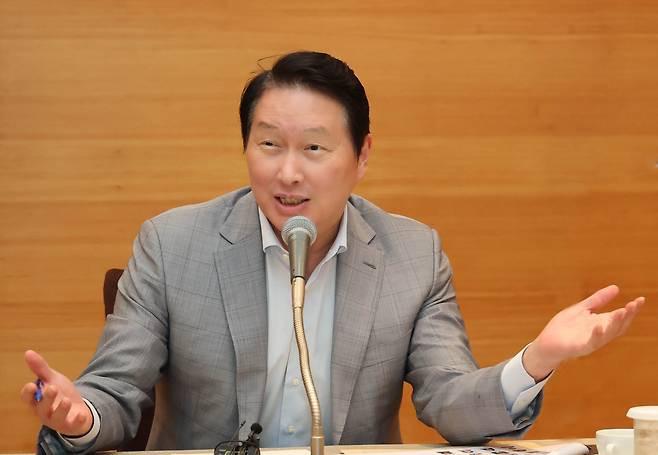
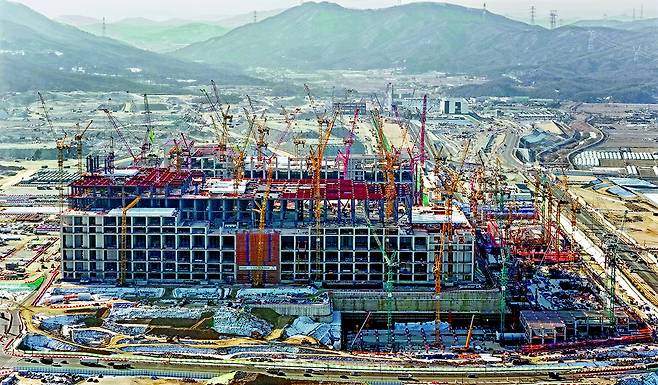
SEOGWIPO, Jeju — With memory demand running far ahead of supply, SK Group Chairman Chey Tae-won said SK hynix is scouting locations for chip plants in the United States in a bid to bolster supply and rein in prices that he believes, perhaps unusually for a key player in the sector, are too high.
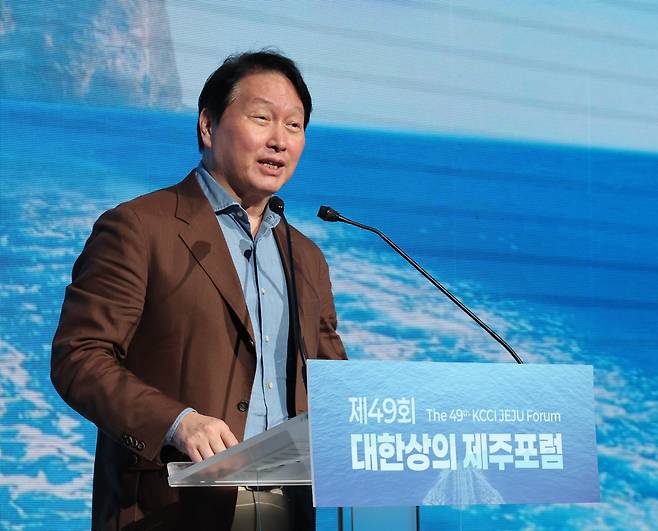
"I think we will have to build [chip plants] not only in the Gwangju and Jeolla provinces but in the United States too," Chey, who also heads the Korea Chamber of Commerce and Industry, said in a press briefing during the chamber's Jeju Forum at The Shilla Jeju on Wednesday.
"If it is possible, I think we should build. There is trade pressure and a range of other issues that need to be weighed. So that is what we are considering."
He said the search was already underway, adding, "We are considering building, so we are looking for a site now."
The remarks followed public pressure from U.S. Commerce Secretary Howard Lutnick on chipmakers to build in the United States. It was not unusual, Chey said, because Lutnick always pushes for investment in the country.
He said the timeline is what makes it urgent.
"A chip plant takes years from groundbreaking to mass production, so how quickly we secure capacity is the lifeline of the Korean chip industry," he said.
Amid a continued standoff between SK hynix's labor and shareholders over the company's promise to fix 10 percent of operating profit for employee bonuses, Chey also gave his first public comment on the row, saying the scheme may have to be revised if it turns out to hurt shareholders, though he stopped short of committing to any change now.
This year's payout reached 2,964 percent of base pay, pushing individual bonuses into the hundreds of millions of won and drawing objections from shareholders over the scheme. A worker on a yearly wage of 100 million won ($67,700) would take 150 million won in bonus alone.
This is the kind of thing that happens when rules meet reality, according to Chey.
"When you build a system, you can run into situations you did not anticipate," he said. "I believe labor, management and the work force will put their heads together and resolve this sensibly."
He framed his answer through SK Management System, the group's stated management philosophy, which holds that a company exists to give its employees as much happiness as possible. That comes with a condition attached, he said: Shareholders and other stakeholders have to be happy too.
"Employees should not become happy at the expense of the happiness of stakeholders," Chey said. "We need to work out whether the bonuses are actually having a negative effect on shareholders and other stakeholders."
"If we assess that it affects the happiness of stakeholders and is not sustainable, then we have to take matters into our own hands and change the system," he said. "But not everyone views the bonus scheme negatively at the moment, and there are positive effects too."
The chairman asked for time.
"It takes a little while for people to share each other's understanding," he said. "Let's see how it goes for a bit longer."
The shortage in memory will deepen next year as spending on AI accelerates, he said.
"I expect demand for AI chips to grow 60 to 100 percent next year, but supply will barely rise," Chey said. "Securing memory has moved beyond competition between companies to become a matter of economic security for individual countries."
On the surge in memory prices, Chey broke with the prevailing view in the industry.
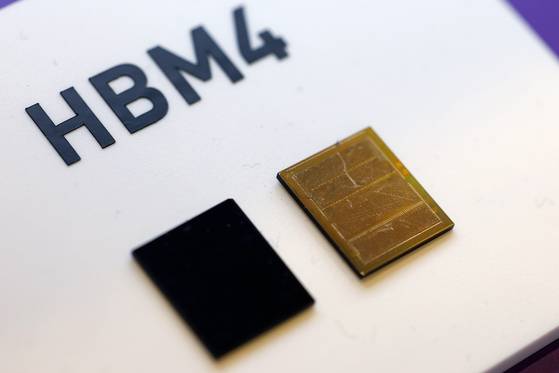
Volume matters more than margin in Chey's perspective, and leaning on rising prices instead of bolstering supply would cost the industry in the long run.
"Looking at the industry as a whole, we have to expand supply and grow the market even if margins fall somewhat," he said. "If you just keep raising prices, the market shrinks and new entrants jump in. Taking only the profit in front of you is not a strategy."
"Korea's chip industry can keep developing only if we raise output, stabilize prices and build up market share and scale," Chey went on. "If anything, my worry is that demand grows faster than we can supply and prices climb further."
He also pressed for more electricity generation to power the chips being built.
"Demand for power infrastructure will grow alongside the expansion of AI data centers," Chey said. "The AI ecosystem can only keep growing if we build out chips and power infrastructure together."
BY PARK YOUNG-WOO [cho.yongjun1@joongang.co.kr]
Copyright © 코리아중앙데일리. 무단전재 및 재배포 금지.