U.S. finalizes four-year cap on international student stays
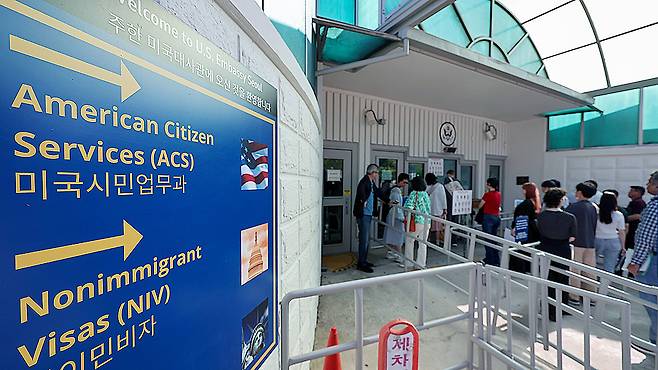
The Trump administration finalized rules to limit the stay of international students to four years unless they obtain an extension, which would be available after “rigorous vetting.”
The new rule was announced by the Department of Homeland Security (DHS) on Thursday, limiting F student visa and J exchange visitor visa holders to four-year stays in the United States. After that period, visa holders must submit a formal extension application.
Foreign journalists will also be required to renew their immigration status every 240 days.
F visa holders were previously allowed to maintain their legal status until they completed their studies through an automatic extension process. Under the new rule, they will be allowed to stay in the United States for only four years even if they have not finished their studies. To complete their studies, they must file an Extension of Stay (EOS) application with the DHS.
J visa holders will also be subject to the four-year limit and will be required to file an EOS to remain in the country beyond that period.
Regarding the extension process, the DHS emphasized in its press release that “student visa extensions are only available with rigorous vetting.”
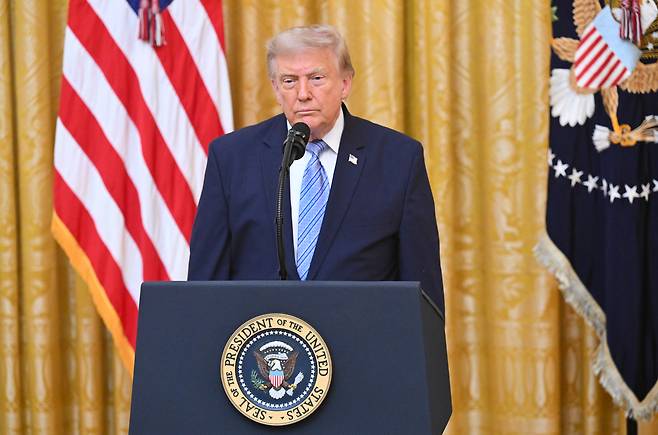
“Since 1978, foreign students have been admitted into the U.S. for an unspecified period, enabling thousands to become 'forever students' by perpetually enrolling in courses to avoid departure,” DHS said. “The final rule ends this exploitation through several major reforms.”
The final rule will be published in the Federal Register on Friday and take effect 60 days after publication. The rule will also apply to students already studying in the United States once it takes effect.
“For nearly half a century, the outdated 'duration of status' system has compromised national security and created an environment ripe for immigration fraud,” said DHS Secretary Markwayne Mullin.
“This final rule ensures that foreign students remain focused on their primary purpose: completing their studies and returning home,” Mullin added.
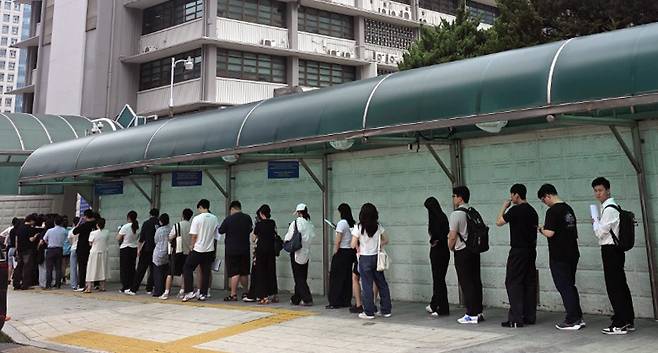
Education groups warned that the rule would undermine U.S. higher education.
“Establishing a fixed period of admission for student and exchange visa holders and creating unreasonable time limits for international students will have a devastating impact on institutions, international students and the entire U.S. economy,” the American Council on Education told the Wall Street Journal on Thursday.
The changes are expected to create confusion for both current international students and those preparing to study in the United States. Students who need to change their academic major after beginning their studies could be forced to return home because of the new hurdles.
More than 1.8 million people held student visas in the United States as of 2024, Reuters reported. There were also about 500,000 J visa holders and 37,000 I visa holders in 2024.
As of last year, 11,861 Korean students were staying in the United States on F-1 visas, accompanied by 1,347 family members on F-2 visas, according to the Korean Embassy in the United States. A total of 7,985 exchange visitors were on J-1 visas with 3,180 accompanying family members. The number of I visa holders stood at 349.
BY KANG TAE-HWA [lee.taehee2@joongang.co.kr]
Copyright © 코리아중앙데일리. 무단전재 및 재배포 금지.