Is Korea ready for an F1 comeback?
전체 맥락을 이해하기 위해서는 본문 보기를 권장합니다.
"F1 depends on attracting large numbers of tourists and spectators, but Yeongam was geographically remote and transportation access was limited," the official said. "Incheon is within about 30 minutes of Incheon Airport, has high-end accommodation nearby and already offers a well-developed surrounding environment with attractions visitors can enjoy."
"What we have done so far is essentially establish a blueprint," the official said. "Additional discussions will be needed with private companies, the central government and Formula One itself. We plan to move forward step-by-step."
이 글자크기로 변경됩니다.
(예시) 가장 빠른 뉴스가 있고 다양한 정보, 쌍방향 소통이 숨쉬는 다음뉴스를 만나보세요. 다음뉴스는 국내외 주요이슈와 실시간 속보, 문화생활 및 다양한 분야의 뉴스를 입체적으로 전달하고 있습니다.
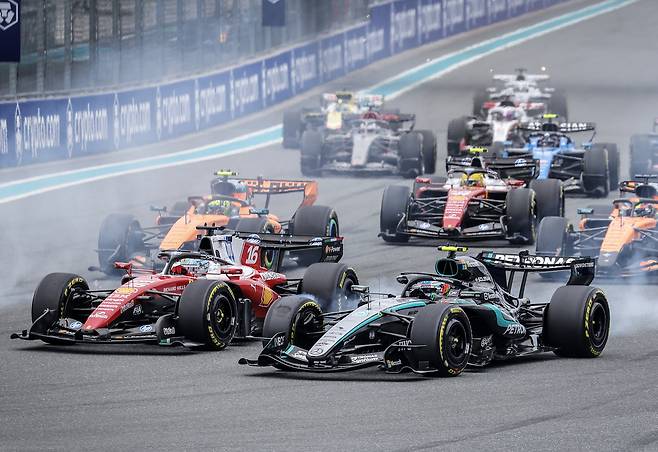
South Korea hosted Formula One for just four years more than a decade ago, but the Korea Grand Prix is better remembered for unfinished facilities, mounting deficits and empty grandstands than the roaring engines and Champagne celebrations.
Now, Asia's fourth-largest economy wants it back. This time in Incheon.
The Incheon Metropolitan Government has unveiled an ambitious plan to host a street-circuit Formula One Grand Prix in Songdo International City, betting that South Korea — after the global boom in F1 popularity driven by Netflix’s “Drive to Survive” and a younger fan base — may finally be ready for a second attempt.
But the proposal also revives difficult questions: Has South Korea really learned from its failure in Yeongam? And can Formula One become a sustainable event here rather than another costly prestige project?
“Incheon is different from Yeongam,” an official within Incheon Metropolitan Government’s international event division, requesting anonymity, told The Korea Herald on Thursday.
“F1 depends on attracting large numbers of tourists and spectators, but Yeongam was geographically remote and transportation access was limited,” the official said. “Incheon is within about 30 minutes of Incheon Airport, has high-end accommodation nearby and already offers a well-developed surrounding environment with attractions visitors can enjoy.”
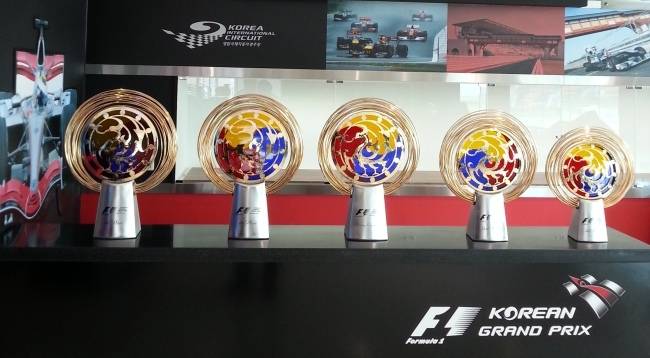
South Korea hosted Formula One races at the Korea International Circuit in Yeongam, South Jeolla Province, from 2010 to 2013. But the event struggled almost from the beginning.
The circuit passed the final inspection by FIA — the international governing body that oversees motorsports including Formula One — just weeks before the inaugural race in 2010, following repeated delays in construction and preparations. Although organizers initially signed a seven-year hosting agreement with Formula One Management, the race effectively ended three years before the contract’s scheduled expiration after negotiations over race-hosting fees collapsed.
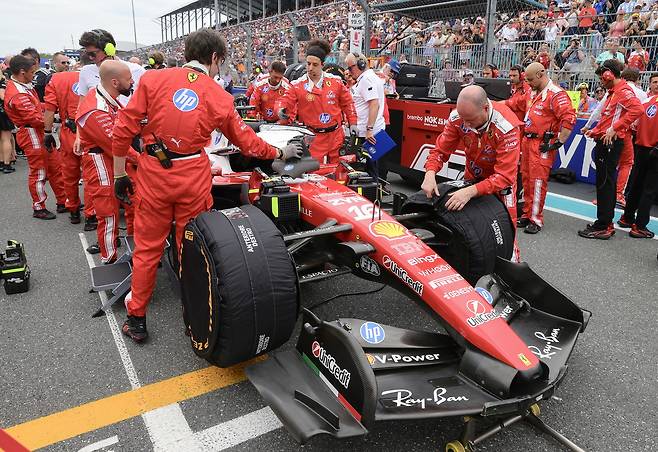
According to the now-disbanded South Korean F1 International Automobile Racing Competition Organizing Committee’s fiscal 2013 settlement report obtained by The Korea Herald, the Korea Grand Prix posted cumulative losses of 190.2 billion won (now $131 million) during its four-year run.
The South Korean Grand Prix was ultimately seen as an expensive experiment that never truly connected with the public.
Yet the global F1 landscape has changed dramatically since then.
Netflix documentary series “Drive to Survive” helped transform Formula One into a mainstream entertainment product with growing popularity among younger audiences and women alike, according to several cultural commentators. South Korean interest has expanded alongside the rise of streaming platforms and motorsports-related content.
Streaming platform Coupang Play began broadcasting full Formula One races with Korean-language commentary and original content in 2025, improving domestic accessibility. Brad Pitt’s recent “F1: The Movie” was also a major box office success in South Korea, drawing more than 5 million cinemagoers.
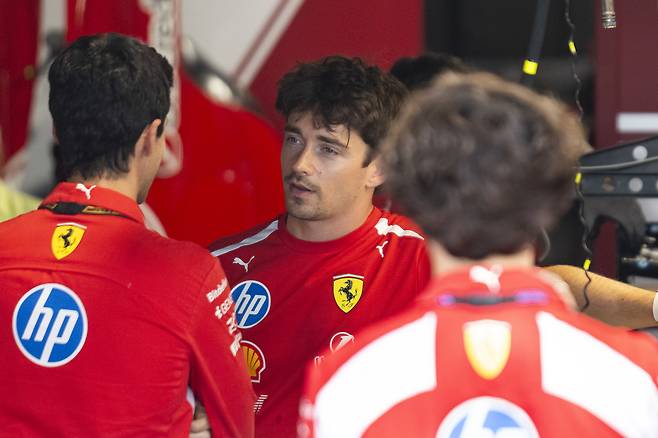
The Incheon Metropolitan Government believes that such a changing environment offers South Korea another chance.
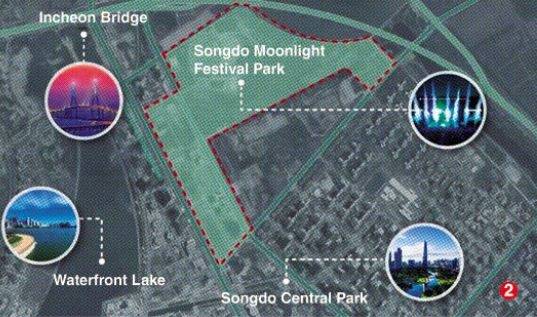
Mayor Yoo Jeong-bok announced the city’s preliminary feasibility study in April, unveiling a proposed 4.96-kilometer street circuit around Dalbit Festival Park in Songdo International City.
The proposed circuit would feature 15 corners and a top speed of 337 kilometers per hour. The city hopes to emphasize Songdo’s accessibility, luxury hotels and the waterfront scenery near Incheon Bridge and Central Park.
Officials estimate the race could attract up to 120,000 spectators per day and draw 300,000 to 400,000 domestic and overseas visitors during the three-day race weekend.
Formula One currently operates a 24-race global calendar, with Asian venues including those in Singapore, Japan and China.
Incheon officials hope South Korea could eventually form part of a broader Northeast Asian F1 cluster, alongside the Chinese Grand Prix in Shanghai and the Japanese Grand Prix.
Concerns have emerged among F1 fans here over whether Incheon may face competition from Thailand, which is seeking a Formula One race of its own within a similar timeframe.
Thailand has been pushing to host a Bangkok street race as early as 2028, with the Thai Cabinet recently approving a bid reportedly worth around $1.2 billion. Thai Prime Minister Paetongtarn Shinawatra has publicly backed the project, and Formula One CEO Stefano Domenicali visited Bangkok earlier this year for talks with Thai officials. The proposed race would run through central Bangkok as part of a broader tourism and soft-power strategy aimed at positioning Thailand as a hub for global events.
An Incheon Metropolitan Government official handling the project pushed back against framing the issue as a direct rivalry.
“I would not necessarily frame this as direct competition with Bangkok,” the official said.
“The key question is whether a city can secure one of the 24 slots on the F1 calendar,” the official said. “Korea also has its own strengths. Korea’s entertainment and cultural industries are flourishing globally right now, and there is plenty of potential to combine those elements with Formula One.”
Still, major hurdles remain.
The city’s feasibility study estimated the project would cost 1.04 trillion won, with 802.5 billion won expected from private investors. The city hopes to minimize fiscal burdens through a private investment model while seeking to revise legislation to make Formula One races eligible for partial state funding for circuit construction and operations.
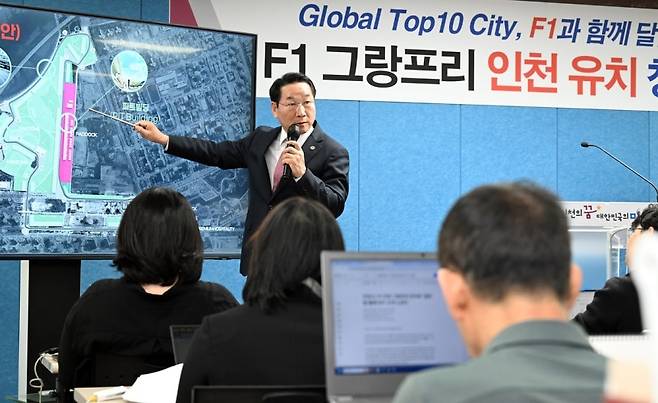
The study concluded that the project could be economically viable if races were held for five consecutive years, estimating a benefit-cost ratio of 1.45.
But critics remain skeptical, especially given the legacy of the Yeongam race and uncertainty over whether South Korea’s growing F1 fandom would translate into sustained ticket sales and sponsorship revenue.
Political uncertainty could also complicate the project. Rep. Park Chan-dae, the Democratic Party of Korea’s candidate for Incheon mayor in the upcoming June 3 local elections, has publicly questioned the expected benefits of hosting Formula One. Park is running against incumbent Mayor Yoo.
For now, Incheon officials stress that discussions remain in the early stages.
“What we have done so far is essentially establish a blueprint,” the official said. “Additional discussions will be needed with private companies, the central government and Formula One itself. We plan to move forward step-by-step.”
Copyright © 코리아헤럴드. 무단전재 및 재배포 금지.