At Tomo Seattle, a James Beard winner serves Japanese heritage
Korea Herald correspondent
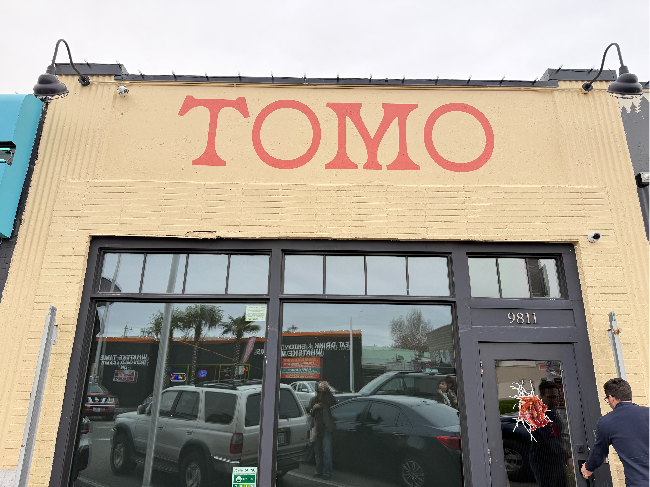
SEATTLE — The storefront does not announce itself. No marquee, no neon. Just "Tomo" hand-painted above the door of what was, not long ago, an adults-only emporium called Your Choice Video. The neighborhood is White Center, locally known as Rat City.
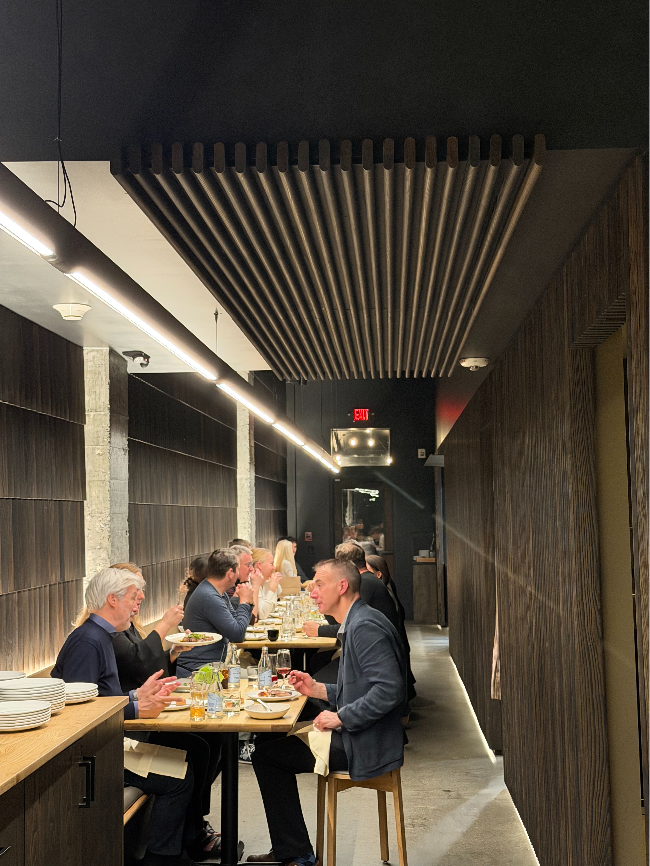
Inside, the room runs deep and narrow, lit low against tables and chairs in wood tone. A bar lines one side. The space looks small from the sidewalk, but within, it stretches.
This is the home of chef Brady Ishiwata Williams, a James Beard Award winner who left the two-Michelin-starred Canlis to cook food rooted in his Pacific Northwest upbringing and Japanese heritage. The restaurant is named after his grandmother.
"Naming a restaurant is always hard. So I was like I'll name it after my grandma, Tomoko Ishiwata Bristol," Williams told The Korea Herald. "But it also means 'pal' or 'friend' in Japanese, too."
Williams traces his earliest kitchen memories to her, and to a family-owned restaurant in Los Angeles where his mother and aunts worked. His grandmother did not cook in the restaurant, but she ran the kitchen at home.
The dining room fills even on weekday evenings. On a recent visit, The Korea Herald ordered the Family Feast ($78 per person), the set menu the restaurant prepares for larger parties.
Sharing many dishes off one table is the Korean default. "Family style" dining in the US, it turns out, means roughly the same.
The Caesar salad arrives first. Little gem lettuce and endive, served whole, dressed with a bonito vinaigrette and showered with furikake. The leaves crackle. The portion alone raises a question about whether the rest of the menu is finishable.
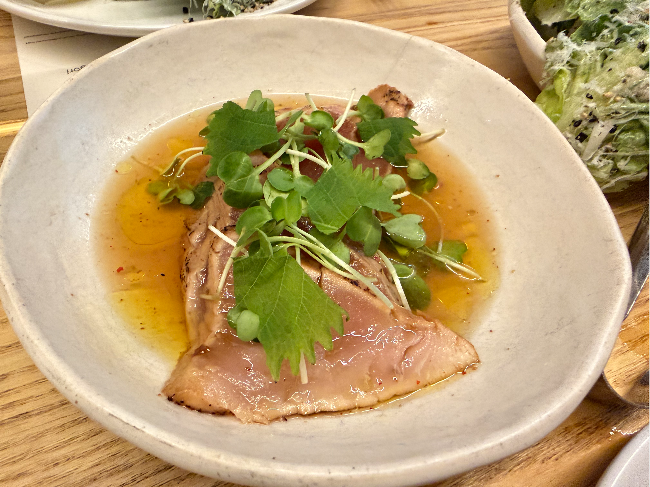
Albacore tataki follows: The tuna lightly torched outside, raw within, in ponzu. It leans oily, and diners averse to blue-fish flavors may want to skip it.
Dan Dan Beets pair confit Chioggia and golden beets with satsumas, mint and dan dan sauce, the savory-nutty Sichuan blend of sesame paste, chili oil, soy, garlic, black vinegar and ground Sichuan peppercorn familiar to Koreans from dan dan myeon. The heat does not register here. The beets cook down to the soft texture of radish in a Korean braised-fish dish. The combination is unfamiliar in the best way.
Cacio e Pepe Rice Cakes look, at first glance, like the carbonara tteokbokki sold across Korea. Williams uses the same Korean rice cakes. The sauce, though, skews unmistakably Italian: Cheese-forward, peppery.
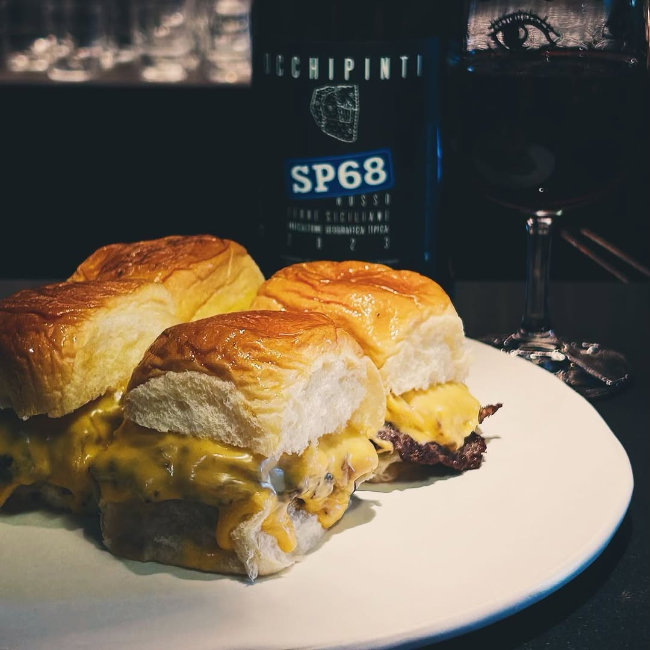
Dry-aged steam burgers, on soft and buttery King's Hawaiian rolls with American cheese and caramelized onion, taste like a refined American slider.
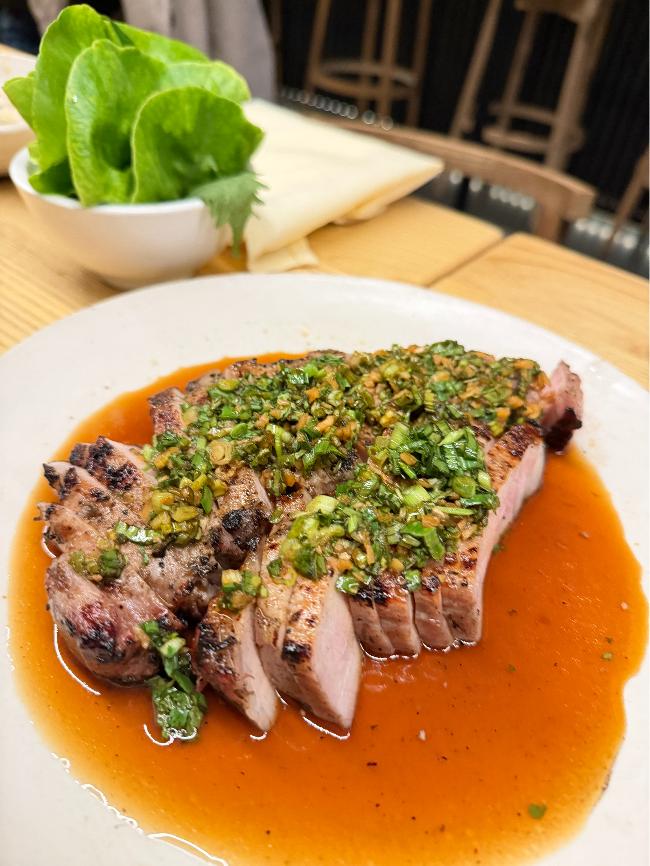
Then comes the signature: Klingemann Farms pork rib chop with tamarind, serrano jam and butter lettuce. The sauce runs sweet-sour. The lettuce is for ssam-style wrapping, much as Koreans eat barbecue. It was interesting to find Korean cues surface alongside the Japanese ones throughout the meal.
Klingemann Farms is a Washington state operation run by the Klingemann family, known on the West Coast for distinctive, consistent pork.
That commitment to local sourcing has extended skyward. Tomo partnered with Alaska Airlines on its recently launched international long-haul suite in-flight service. Passengers can select Alaska's Chef's Table entree developed with Williams, built around his signature short rib sourced from Klingemann Farms.
The development cycle is an iterative process. Williams builds a dish in the restaurant, then adapts it for the constraints of the air. Alaska's team prepares it the way it will be served on the plane. He tastes and gives notes. They refine.
The first concern, Williams said, is integrity.
"Is the integrity of the product going to be the same from here to here?" he said. "Because there are certain requirements and some logistical concerns. The food has to be cooked and then cooled, reheated on the plane. So you want to make sure that point one and point 10 are as close to each other as possible."
He kept returning to one idea: Comforting and familiar matters more than anything else, even at altitude.
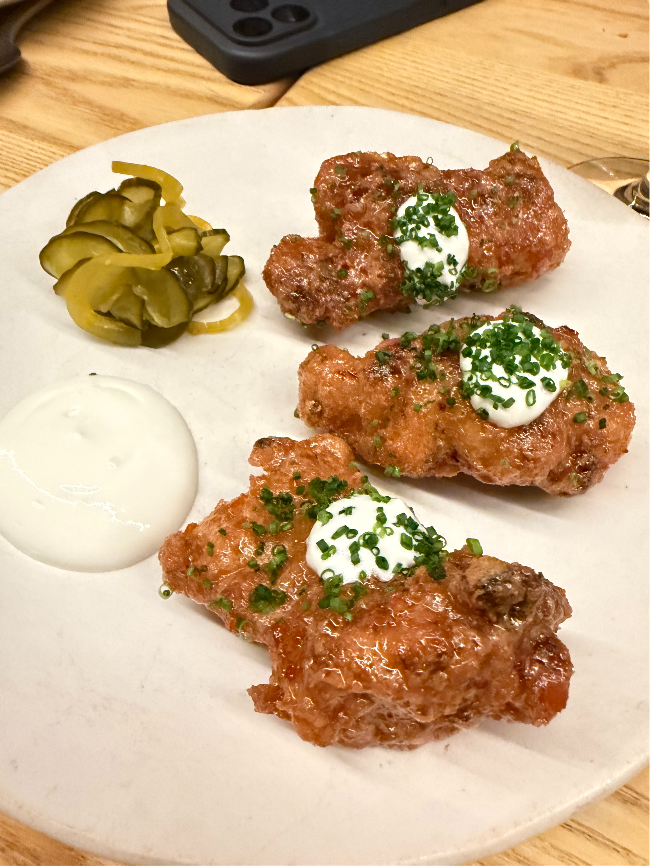
Back at the table, The Korea Herald ordered an extra dish on the recommendation of a regular: The sweet n' sticky chicken. Brined thigh in a batter that holds a soft underlayer beneath a crunchy crust, glazed with honey, vinegar, white soy, black pepper and togarashi. It calls to mind Korean ganjang chicken almost immediately.
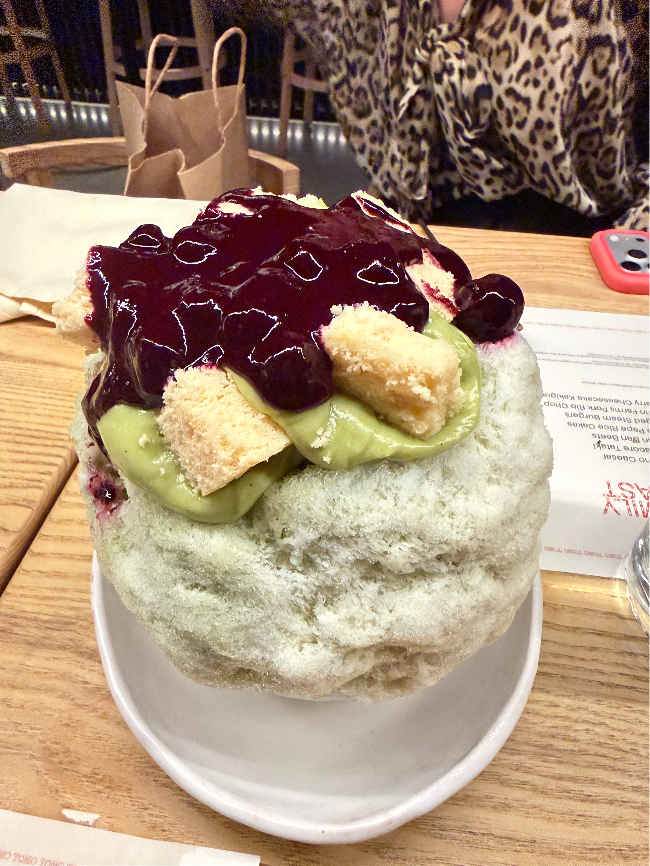
Dessert was the matcha berry cheesecake kakigori, Japan's answer to Korean bingsu. The portion was enormous: Soft matcha shaved ice piled with sweet matcha cream, sour berry compote and dense cheesecake. A fitting close.
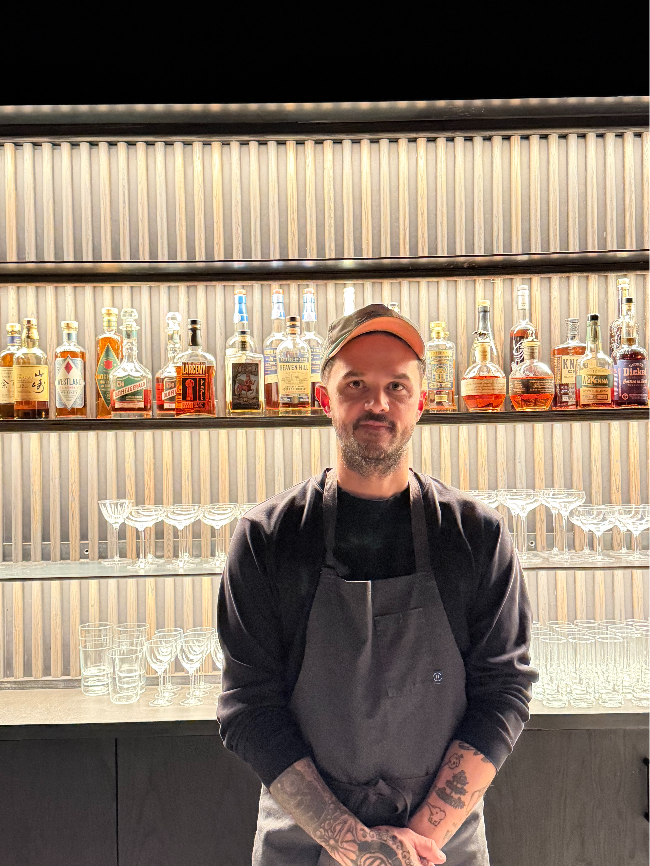
Williams said Tomo's positioning is intentional.
"We have a really distinct point of view. What we do here is familiar but it's also executed at a pretty high level. We take what we do really seriously but it's not a serious restaurant. Music is loud, we are next to a porn shop, and we try to keep it fun."
He came up in fine dining, and the technique, he said, has not changed.
"I came from a two-Michelin-starred restaurant 10 years ago, and the food is the same. It's just plated in different presentations but all in the same technique and intentions."
Williams is opening more restaurants this year: A second fine dining concept, two casual spots and a members' bar closer to the quieter cocktail-bar template found in Tokyo and Seoul, he said, than the Soho House lifestyle club. The bar will be staffed by his three-Michelin-starred chef friends. A focaccia-sandwich cafe and a rotisserie are also in the works.
Asked whether he prefers fine or casual, Williams said, "Tomo is more like a middle ground, I would say. The food is the same in fine."
"I like it all. So, we are just kind of doing it all now."
Copyright © 코리아헤럴드. 무단전재 및 재배포 금지.