Four Seoul hikes to help you enjoy spring like a local
Spring is the season when Seoul's mountains come alive. Within minutes of dense urban neighborhoods, hiking trails open into panoramic views, blooming ridgelines and quiet forest paths.
For travelers looking to experience Seoul beyond its cafes and palaces, these mountains offer a deeper glimpse into how locals embrace the season: hiking, picnicking and ending the climb with a well-earned meal.
Here are four mountains in Seoul that combine accessibility, scenery and a full day’s worth of exploration.
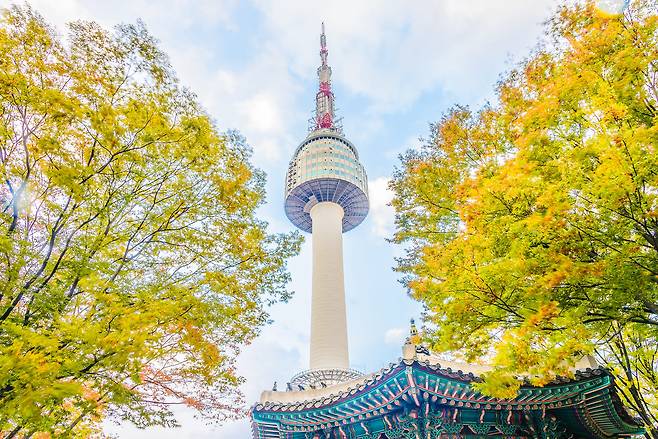
If there is one mountain that defines Seoul’s skyline, it is Namsan. Rising modestly in the city center, it offers one of the capital’s most accessible and scenic walks, especially in spring when cherry blossoms frame the paths.
Unlike steeper hikes, Namsan is known for its well-paved walking trails, making it ideal even for casual visitors. A climb to the top leads to N Seoul Tower, where sweeping views stretch across the Han River and beyond.
- How to get there:
Take Subway Line 4 to Myeong-dong Station or Line 3 to Dongguk University Station. From there, it is a 10- to 20-minute walk to the trail entrance.
- What to do after:
Head down toward Myeong-dong for street food and shopping, or explore the quieter Namsangol Hanok Village nearby.

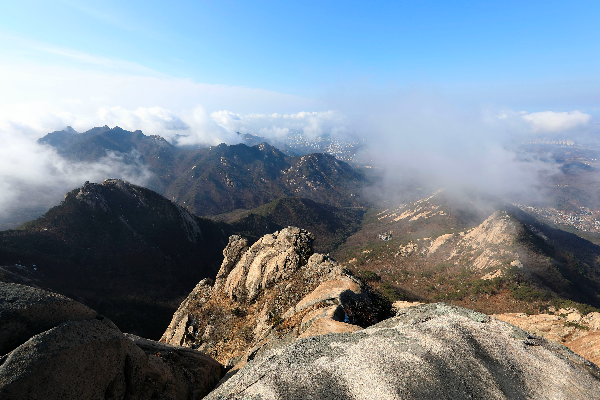
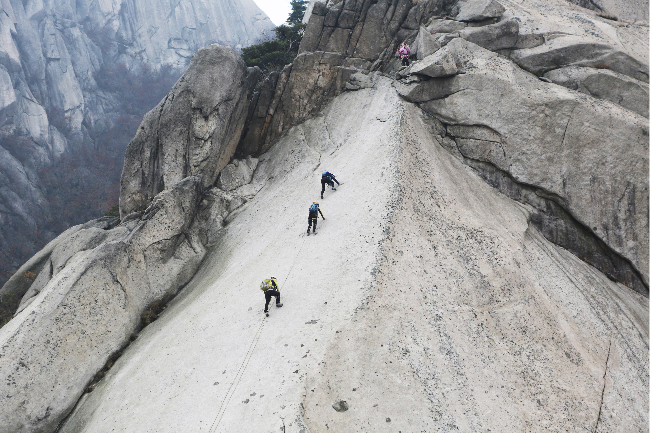
For those seeking a more challenging hiking experience, Bukhansan is the place to go. Known for its granite peaks and rugged terrain, it feels far removed from the city despite being within it.
You can enjoy both the azaleas and the fresh greenery Spring brings, while taking an adventurous journey through dramatic rock formations. The most popular route leads to Baegundae Peak, the highest point in Seoul.
- How to get there:
On the northern periphery of Seoul, Bukhansan borders a considerable portion of the city. As the mountain expands from central Seoul into Gyeonggi Province, there are various routes to enjoy it.
The most popular route to the highest peak, named Baegundae, is taking Subway Line 3 to Gupabal Station (Exit 1) and taking Bus 34, 704, or 8772 to the Bukhansanseong Fortress entrance. Another convenient option is taking the UI Subway Line to Bukhansan Ui Station.
- What to do after:
Relax in nearby traditional neighborhoods or visit Eunpyeong Hanok Village, where modern cafes blend with traditional architecture.
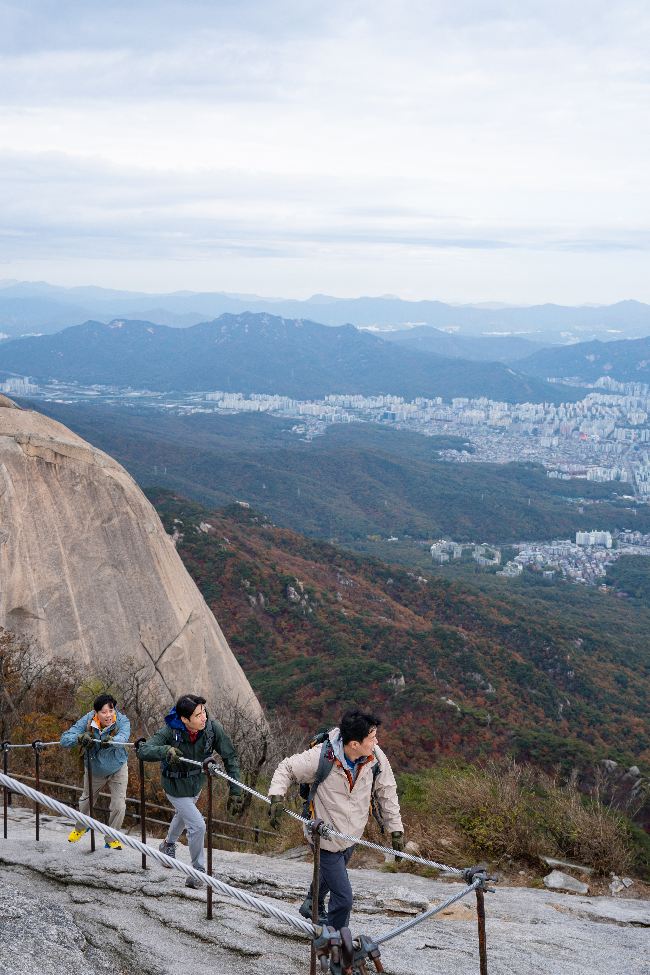
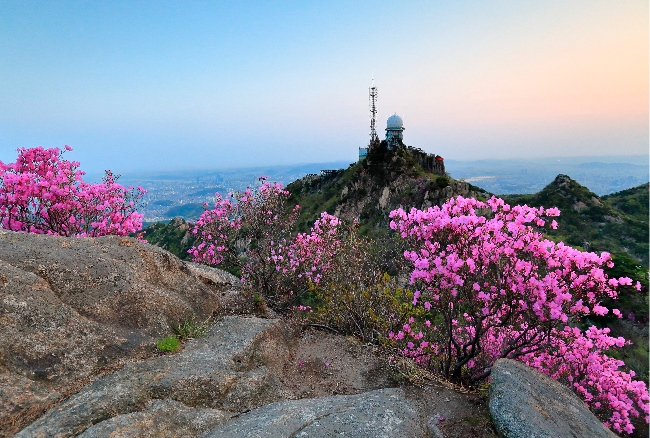
Located in southern Seoul, Gwanaksan is popular among locals for its moderate difficulty and rewarding views. The trails are slightly more challenging than Namsan but less intense than Bukhansan, making it a balanced option.
In spring, the mountain is dotted with flowers, and the summit offers a clear vantage point over the southern districts of the city.
- How to get there:
Take Subway Line 2 to Seoul National University Station, then a short bus ride to the trailhead.
- What to do after:
Explore the youthful energy around Seoul National University or head to nearby eateries popular with students.
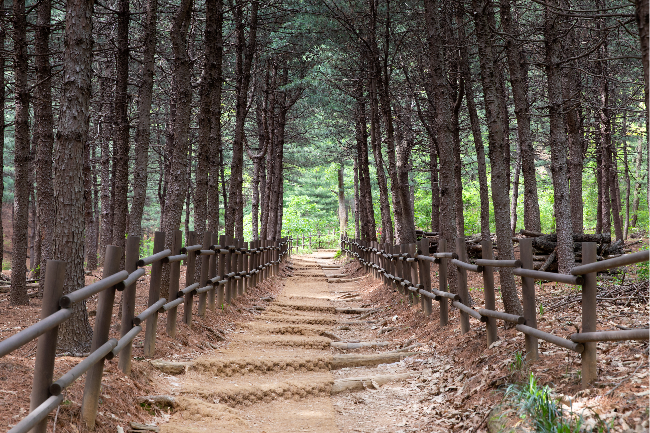

Achasan is one of the most beginner-friendly mountains in Seoul, known for its gentle slopes and quick hikes. It is especially famous for sunrise views over the Han River, making it a favorite for early risers.
The trails are lined with spring blooms, and remnants of ancient fortress walls add a historical touch to the hike.
- How to get there:
Take Subway Line 5 to Achasan Station. The trail entrance is within walking distance.
- What to do after:
Walk along the nearby Han River parks or visit Gwangnaru Hangang Park for a relaxed picnic.

Copyright © 코리아헤럴드. 무단전재 및 재배포 금지.