Trump’s 25% tariffs put Korean appliance makers on alert
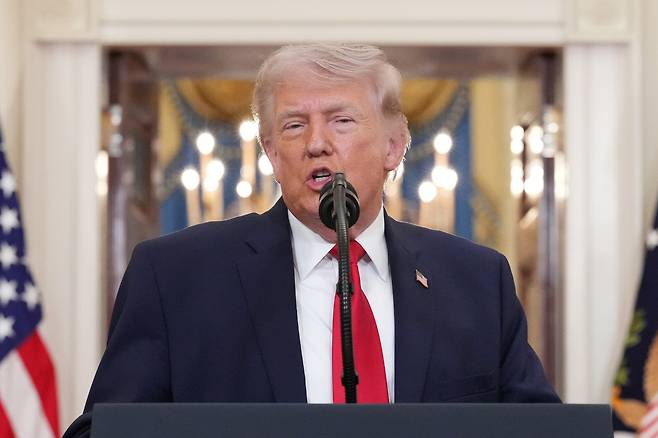
The administration of Donald Trump has moved to impose a blanket 25 percent tariff on finished goods containing significant amounts of steel, aluminum and copper, prompting South Korea’s home appliance makers to assess the potential fallout.
Major players such as Samsung Electronics and LG Electronics are reviewing the measure, with industry sources expecting only limited short-term disruption.
The move follows tariff measures introduced in June based on steel content. Korean appliance makers expanded their market share in the US even after those measures took effect.
That track record suggests the immediate impact of the revised tariff scheme will likely remain contained.
Concerns over profitability remain. An industry source, speaking on condition of anonymity, said the appliance business typically operates on single-digit profit margins, leaving little room to absorb additional cost burdens.
“If tariff costs rise further, profitability is likely to deteriorate,” the source said.
Industry sources said Friday that the Trump administration signed a proclamation a day earlier to impose a uniform 25 percent tariff on finished derivative products containing steel, aluminum and copper.
Previously, tariffs were calculated based on the proportion of metal content — in some cases reaching 50 percent. The new system applies a flat rate to the total product price.
The measure is set to take effect at 12:01 a.m. Monday.
Following the announcement, Samsung and LG began internal reviews to assess the potential impact on exports to the US market.
Some observers say Korean brands may remain relatively competitive, as price increases are likely to be reflected across the broader market.
“After last year’s tariff measures, both LG and Samsung raised prices, but US manufacturers also adjusted their prices to similar levels,” another source said.
“Given that US-made appliances also rely heavily on imported materials, Korean firms’ market share in the US actually increased. The negative impact on competitiveness this time may be limited.”
The bigger risk lies in demand. If tariff-driven price increases continue across the industry, higher retail prices could weigh on demand in the US market and eventually affect export volumes.
“Repeated price increases across the market could lead to weaker demand over time,” a source said. “We are closely monitoring the potential for a mid- to long-term slowdown.”
Copyright © 코리아헤럴드. 무단전재 및 재배포 금지.