Israel seeks Korean expertise for $50b Tel Aviv metro project
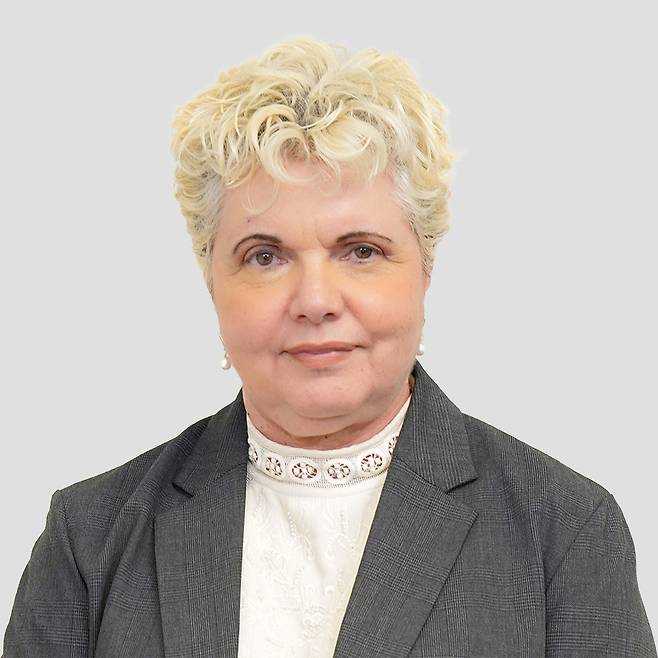
Israel is looking to Korean companies and experts for its $50 billion Tel Aviv metro project, one of the largest infrastructure developments in the country’s history, says a senior official at state-owned metropolitan mass transit system company NTA.
“I was in South Korea last year and I saw the whole expertise is there,” said Lea Shmool, head of M3 line at NTA, in a video call with The Korea Herald on Tuesday.
“I was very impressed to see that (Korea) has developed a metro industry because, in Israel, we are looking to build this kind of expertise … you can bring in a group of companies for engineering, construction, maintenance and operation of the metro and build a long-term relationship and a partnership with Israel.”
According to NTA, the Tel Aviv metro project will include three lines covering about 150 kilometers of underground network with 109 stations in the city’s metropolitan area across 24 local municipalities. The project is expected to be completed and begin carrying passengers in 2037, with some 2 million passengers forecast to use the metro every year.
The Israeli government has already secured funding and enacted special legislation to ensure the project’s execution, underscoring its urgency to advance the Tel Aviv metropolitan area, with a population estimated at over 4 million.
Shmool noted the efficiency of Seoul’s metro system and how everything seemed to be integrated and connected, noting the innovation of the driverless subways running through the city.
“We held a conference last month with more than 50 foreign companies, including South Korean companies that came and showed interest in the project,” she said.
Although NTA did not disclose the names of the South Korean companies that attended its Tel Aviv project conference, it acknowledged that Korea is home to many industry-leading firms across rail, construction, civil engineering, technology, and systems and rolling stock.
Hyundai Rotem is Korea’s leading rolling stock manufacturer, while several builders — Daewoo E&C, Samsung C&T, Hyundai E&C and GS E&C — are known for their construction capabilities.
According to the NTA official, the bidding process will weigh both price and quality, with an emphasis on the strength of partnership within a consortium trying to score a contract.
Addressing concerns over geopolitical risks in the Middle East amid the ongoing conflict between Iran and the United States, Schmool emphasized Israel’s preparedness and resilience.
“Even during the conflict, works are continuing in a safe manner,” she said. “It’s never stopped, actually. We have the instruction. We know what to do when there’s an alert … the country is prepared for it. There are shelters everywhere … but it’s only a period and then everything, in a very short while, comes back to normal.”
Copyright © 코리아헤럴드. 무단전재 및 재배포 금지.