Ingredients outshine brand power in Korean skin care
Efficacy is eclipsing everything else in the Korean beauty industry.
As the cosmetics market matures, consumers are becoming more selective — and more informed. Price and brand recognition are no longer the primary drivers of purchases. Instead, attention has shifted to ingredients and the science behind them.
Industry insiders describe this as a move toward “rational consumption,” with shoppers seeking formulations tailored to specific skin concerns rather than relying on the prestige of a brand.
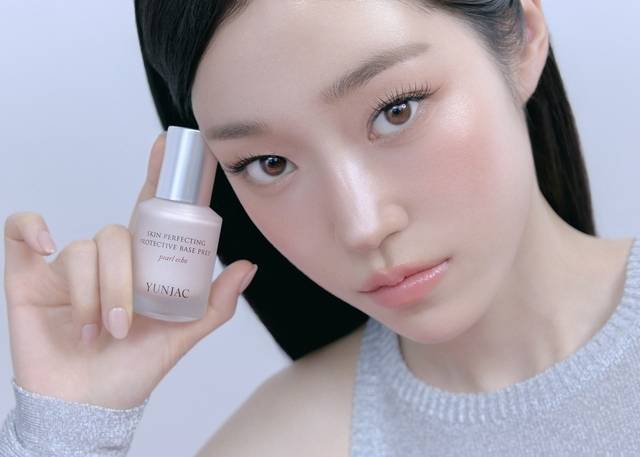
This shift is fueling a surge in the development of proprietary ingredients. Korean skin care brand Yunjac recently filed a patent for “Fitting Glue,” a biopolymer combining glutinous rice protein and fermented tea-derived polyphenols. The ingredient forms a thin, flexible film on the skin, helping makeup adhere evenly while refining texture and pores.
The development reflects a broader push into hybrid products that bridge skin care and makeup — a category brands are increasingly using to stand out in a crowded market.
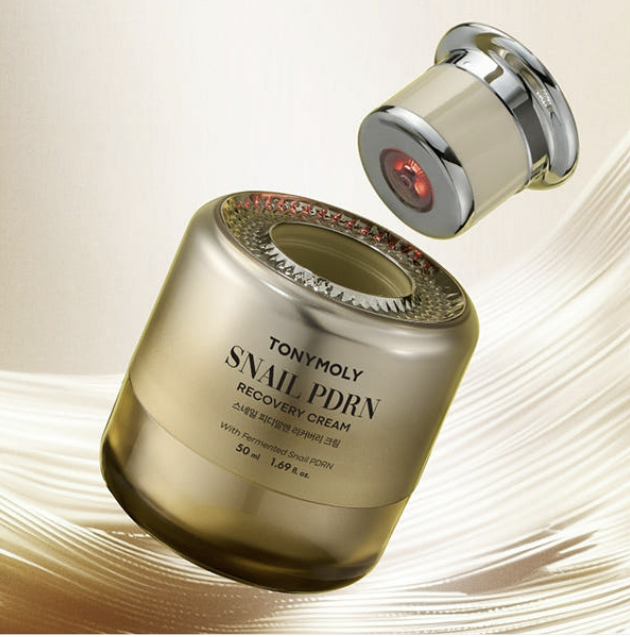
Meanwhile, Tonymoly is focusing on preservation technology. Its “Snail PDRN Recovery” line uses freeze-drying to stabilize active ingredients and maintain potency.
At the high end, Amorepacific is advancing long-term skin research. At a recent New York symposium on “skin longevity,” the company introduced proprietary ingredients including Ginsenomics and RE.D Flavonoid, developed in collaboration with Johns Hopkins University School of Medicine. The focus is shifting from short-term results to sustained skin health.
Notably, this ingredient-driven approach is no longer confined to premium brands.
Budget retail channels are rapidly adopting the same strategy. At Daiso, skin care products priced under 5,000 won featuring retinol, panthenol and PDRN are gaining traction. Brands such as Boncept highlight active ingredients in their product names, turning them into a primary selling point. A freeze-dried vitamin C ampoule kit recently ranked No. 1 in whitening ampoule sales on Daiso’s online mall.
“The market is shifting to a point where ingredients are compared before brands,” an industry official said. “Product names themselves are evolving to communicate function.”
The trend extends beyond Korea. A survey of 500 Japanese Gen Z women by eBay Japan found that 7 in 10 check ingredients before purchasing cosmetics or food, while 57.4 percent prioritize quality over price in skin care.
Older consumers, once associated with premium brands, are increasingly turning to affordable functional products as well. Growth in purchases among shoppers in their 50s and 60s has been particularly strong, driven by demand for barrier-repair and firming formulations.
As access to ingredient information expands, so does consumer scrutiny. Shoppers are comparing active ingredients, testing efficacy and often trialing lower-priced options before committing to high-end products.
Copyright © 코리아헤럴드. 무단전재 및 재배포 금지.