Purple replaces green: Ube emerges as the next matcha
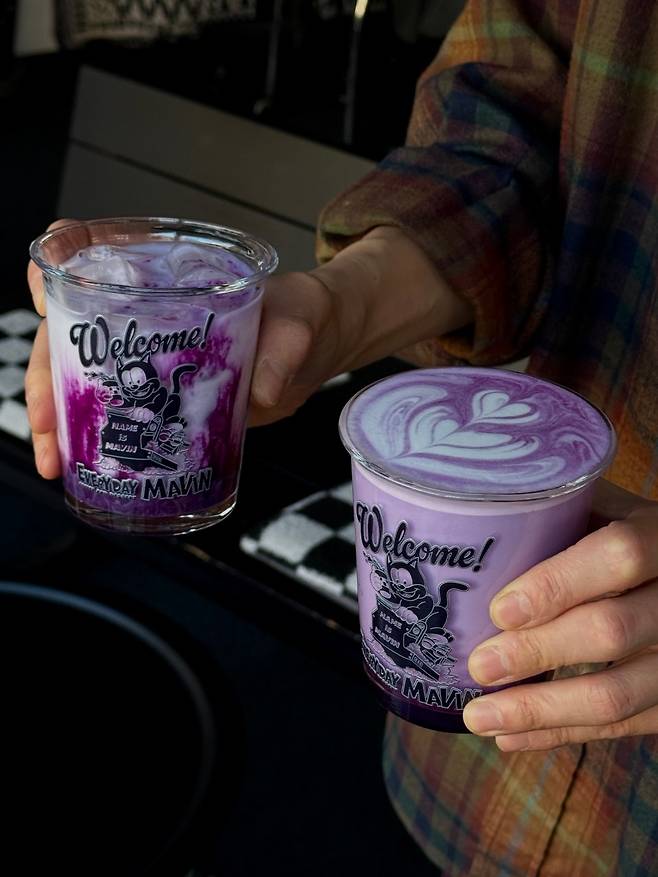
Matcha, powdered Japanese green tea, dominated cafe menus worldwide for years, appearing in everything from lattes to cakes and ice cream.
Now, a new color is taking over cafe counters and social media feeds: purple.
At the center of the shift is ube, a vivid purple yam traditionally grown in Southeast Asia, particularly in the Philippines. Long a staple in Filipino desserts, ube, a Tagalog word for purple yam, is rapidly gaining popularity in the US and beyond, emerging as one of the latest global food trends.
Major food and beverage brands have already embraced the ingredient. Starbucks introduced a coconut macchiato featuring ube this spring, while US grocery chain Trader Joe’s sells ube-flavored ice cream. The yam’s eye-catching color and subtly sweet flavor have made it a popular addition to desserts, beverages and pastries.
Trade data suggests the momentum is growing. According to the Department of Trade and Industry of the Philippines, the Philippines exported about 610 metric tons of yams, including ube, last year, a 43 percent increase from 2024, reflecting rising global demand.
The trend is also spreading across South Korea. Cafes in cities such as Seoul, Daegu and Gwangju have begun adding ube-based drinks to their menus, including ube cream lattes and ube lattes, attracting customers drawn to the ingredient’s vivid purple color.
Ube may resemble purple sweet potato at first glance, but the two are botanically different. Ube belongs to the yam family, while sweet potatoes belong to the morning glory family.
It is also sometimes confused with taro. Unlike taro, whose flesh is pale with purple speckles, ube has a vivid purple interior. The yam is rarely eaten raw and is typically boiled or steamed.
One of the best-known Filipino desserts made with the ingredient is ube halaya, a thick jam made by simmering mashed ube with condensed milk or coconut milk. It is commonly used in cakes, pastries and ice cream.
Part of ube’s popularity lies in its dramatic color. Its purple hue comes from anthocyanins, natural pigments also found in blueberries and purple sweet potatoes that are known for antioxidant properties.
Social media has helped accelerate that shift, as visually striking desserts spread quickly across platforms such as Instagram and TikTok.
If matcha defined the green dessert era, ube may usher in a purple one. As cafes and dessert brands continue experimenting with the yam in drinks, pastries and frozen treats, the once-regional ingredient is quickly becoming a global culinary star.
Copyright © 코리아헤럴드. 무단전재 및 재배포 금지.