How Blackpink weaves Korean heritage in 'Go'
전체 맥락을 이해하기 위해서는 본문 보기를 권장합니다.
With the release of Blackpink's long-awaited EP "Deadline," attention has shifted not only to the group's new music, but also to traditional Korean cultural elements woven into the music video for lead track "Go."
"While the commercial impact of stars like BTS and Blackpink is without question significant, their role in promoting Korean traditional culture is just as meaningful," Jung told The Korea Herald. "If cultural heritage is presented as formal promotional material, it may feel distant. But when a beloved star naturally incorporates it into their work, the effect and ripple power are tremendous."
이 글자크기로 변경됩니다.
(예시) 가장 빠른 뉴스가 있고 다양한 정보, 쌍방향 소통이 숨쉬는 다음뉴스를 만나보세요. 다음뉴스는 국내외 주요이슈와 실시간 속보, 문화생활 및 다양한 분야의 뉴스를 입체적으로 전달하고 있습니다.

With the release of Blackpink's long-awaited EP "Deadline," attention has shifted not only to the group's new music, but also to traditional Korean cultural elements woven into the music video for lead track "Go."
Viewers quickly began dissecting the video's visual motifs, noting that several aspects appeared to draw heavily from traditional Korean aesthetics.
The music video for "Go" includes ornamental patterns such as the "sujamun" — a stylized rendering of the hanja character for "su" — that was historically engraved on royal garments, wedding attire, ceramics and furniture during the Joseon era (1392-1910) to express the wish for long life.
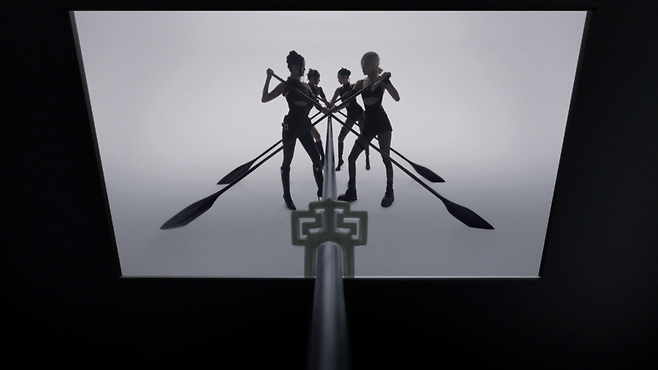
The video also features other traditional patterns, including "hoemun" and "unmun." Hoemun is a traditional geometric pattern made of lines that loop without a clear end, symbolizing continuity and eternity, while unmun is a traditional cloud pattern drawn with soft, flowing curves to symbolize good fortune as well as divine power and energy.
Beyond ornamental motifs, the video extends its cultural references through costume and symbolic imagery. In one scene, Lisa wears a mask that resembles celadon from the Goryeo Kingdom. The iconic Korean ceramic style is known for its jadelike glaze and refined craftsmanship. The choice subtly evokes Korea's artistic heritage, reimagining it in a futuristic pop context.
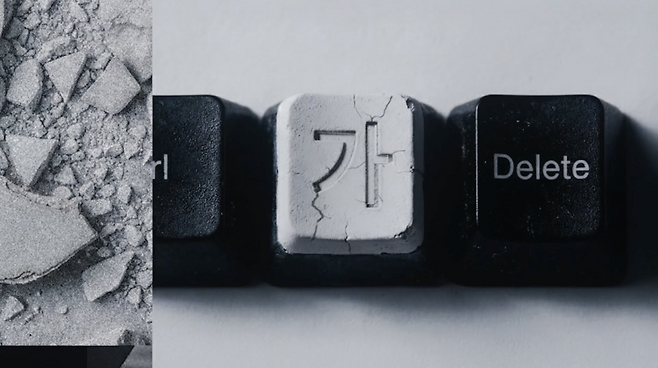
The video also features the Korean characters spelling "ga," meaning "go," visually reinforcing the song's title through Hangeul typography. It eventually comes to a close with a list of credits in the appearance of a taegeuk symbol — a motif widely recognized from the South Korean flag — adding another layer of national symbolism to the visual narrative.
Many fans have pointed out the cultural references helped them better understand Blackpink's recent collaboration with the National Museum of Korea, which hosted an early listening event with selected fans on Feb. 26 and released audio guides recorded by the four bandmates for eight artifacts in its collection.
"Watching the music video, I finally understood the meaning behind their collaboration with the National Museum of Korea," Blackpink fan Jang Ju-yeon told The Korea Herald.
"There are so many Korean elements in the music video that even I didn't know the meaning behind. It feels like this video will get more people abroad to learn more about the features in the music video and encourage others to visit the museum, too. As a Korean national, I feel very proud."
Blackpink's incorporation of Korean cultural motifs is not new. The group has previously spotlighted traditional elements in both performances and music videos.
At the 2025 Melon Music Awards, Jennie wore a 15-meter veil embroidered with verses from Cheonggu Yeongeon, a traditional Korean song collection, during her performance of "Zen." She also appeared in a white tube-top minidress featuring a central cutout inspired by the proportions of the Three-story Stone Pagoda at the temple Bulguksa.
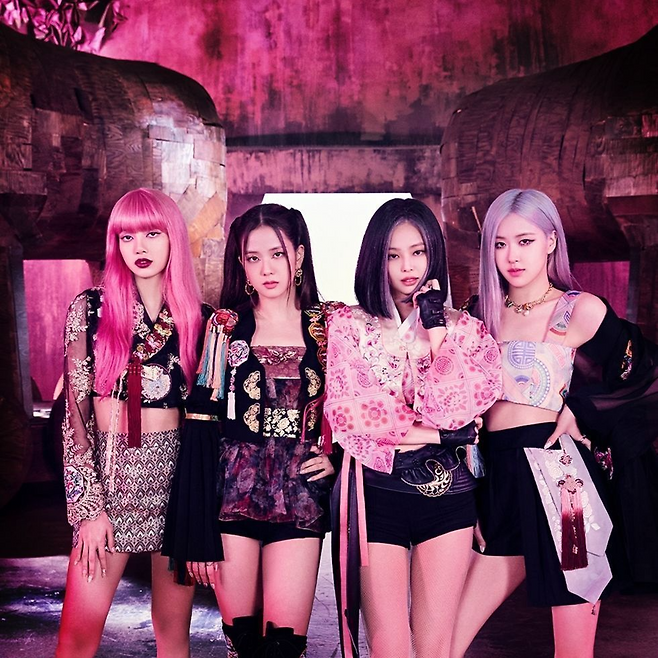
Earlier music videos such as "Pink Venom" and "How You Like That" similarly incorporated Korean elements, including traditional musical instruments and hanbok-inspired styling. Blackpink is part of a broader trend in which K-pop idols increasingly serve as vehicles for the exposure of Korean culture.
In recent years, major acts have incorporated traditional motifs into performances on high-profile stages, including BTS' performances at Sungnyemun and Gyeongbokgung, as well as their upcoming comeback performance at Gwanghwamun, one of Seoul's most historically symbolic locations, for the group's new album “Arirang,” named after the folk song long regarded as a symbol of Korean national identity.
Stray Kids fused lion dance and taekwondo elements into their choreography during their congratulatory stage at the inauguration ceremony of the Presidential Committee on Popular Culture Exchange, while NewJeans performed wearing modernized hanbok during the Korea On Stage event in 2024.
Culture critic Jung Duck-hyun said such efforts carry influence beyond commercial success.
"While the commercial impact of stars like BTS and Blackpink is without question significant, their role in promoting Korean traditional culture is just as meaningful," Jung told The Korea Herald. "If cultural heritage is presented as formal promotional material, it may feel distant. But when a beloved star naturally incorporates it into their work, the effect and ripple power are tremendous."
Copyright © 코리아헤럴드. 무단전재 및 재배포 금지.