Two exhibitions bring 19th-century Europe to Seoul
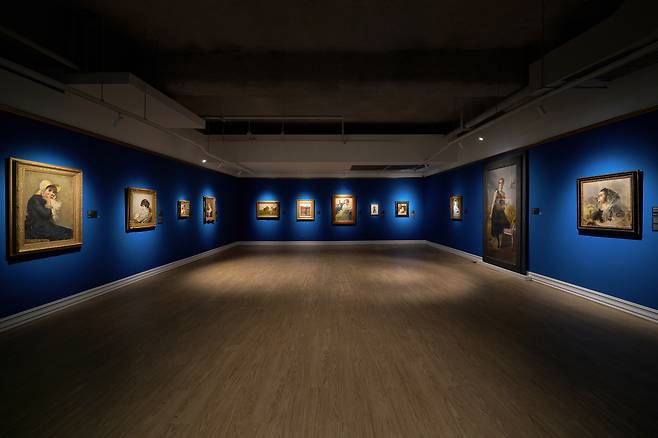
Two exhibitions in Seoul invite audiences to journey through Europe’s 19th century with museum collections from Italy and France. “The 19th-Century Collection From Capodimonte Museum” at My Art Museum revisits the southern coastal city of Naples through the lens of verismo, while another exhibition, “The Orangerie Museum and the Orsay Museum: Cezanne and Renoir,” at Seoul Art Center’s Hangaram Design Museum, sheds light on the legacy of Pierre-Auguste Renoir, Paul Cezanne and Pablo Picasso.
Capodimonte Museum’s Italian Realism collection
The largest art museum in southern Italy, with a collection that spans from the Middle Ages to the 21st century, the Capodimonte Museum has brought 74 works to Seoul, offering a rare glimpse into the landscapes and daily life of the 19th century through the eyes of Neapolitan painters.
The exhibition sheds light on the social changes and human stories of southern Italy during a period of dramatic transformation -- from the end of the monarchy to the unification of Italy in 1861.
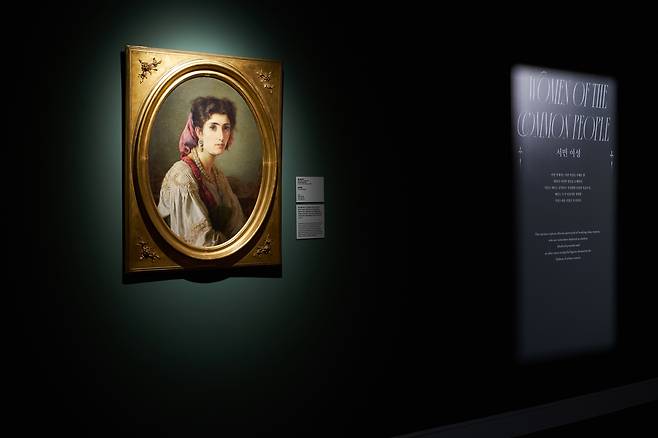
The selected works span neoclassicism, romanticism and verismo, the Italian realism movement in the late 19th century that often portrays the lives of ordinary people with compassion. While verismo shares affinities with French realism, it reveals the distinct social texture and emotional resonance of southern Italy, according to My Art Museum.
The exhibition unfolds across "Female Images," "Interiors," "Gioacchino Toma, evoking the state of mind" and "Exteriors." Italian painter Gioacchino Toma is best known for his works in the romantic style depicting historical and realistic themes.
Capodimonte Museum, which opened to the public in 1957, is located on a historic hunting reserve of Charles of Bourbon, an 18th-century king of Naples, overlooking the city and the Gulf of Naples. The exhibition runs through Nov. 30.
Orangerie Museum, Orsay Museum: Cezanne and Renoir
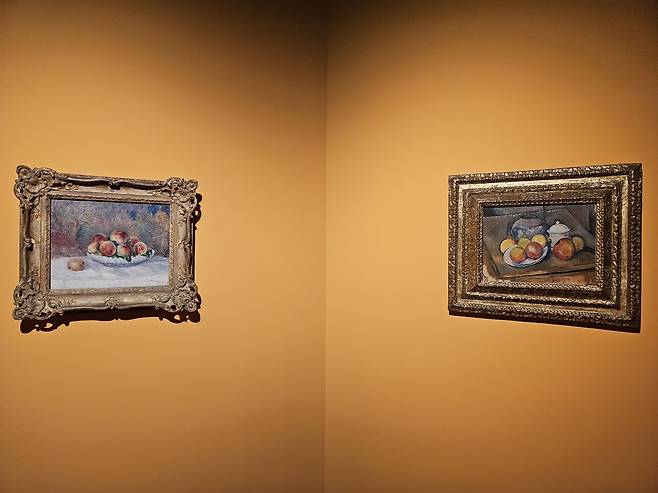
The exhibition at the Hangaram Design Museum, located at Seoul Arts Center, features collections from the Orangerie Museum and the Orsay Museum in Paris, known for their impressionism collections.
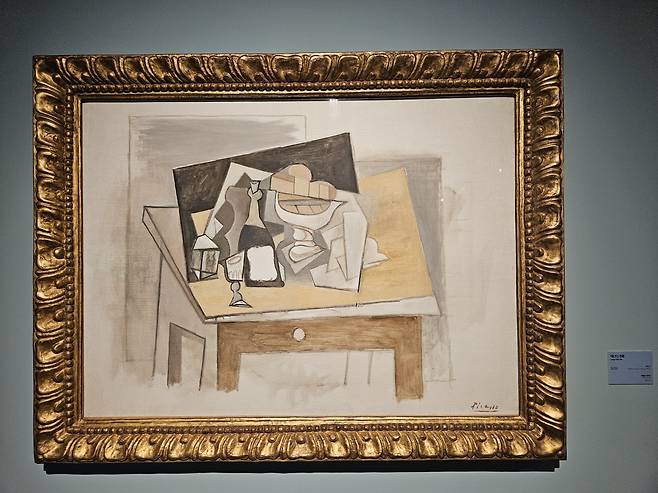
The exhibition unfolds with paintings by Paul Cezanne (1839–1906) and Pierre-Auguste Renoir (1841–1919), showing how the two masters share similarities as artists in postimpressionism and impressionism, respectively, but also how they differ in their styles and artistic paths. The exhibition ends with paintings by Pablo Picasso (1881-1973), illuminating how Cezanne and Renoir influenced the master of cubism.
While Cezanne and Renoir belonged to the same generation, shaping the impressionist movement in the late 19th century with an interest in capturing light and color, their paintings show unique features of their own: Renoir focused on the warmth of human life, sunlight and sensuality, while Cezanne sought the underlying structure and geometry of nature, paving the way for postimpressionism and the beginnings of modern art.
Cezanne's apples became iconic for redefining still life as a study of form and color, laying the groundwork for modern art. The artist once said, "With an apple, I will astonish Paris," according to a quote on display at the exhibition.
Picasso first encountered Cezanne's work at the age of 19, marking the beginning of a lifelong admiration for the artist's paintings. The master later referred to Cezanne as his "one and only master," acknowledging him as a decisive influence in shaping his artistic vision.
The exhibition has been entrusted to Cecile Girardeau, curator of collections at the Orangerie Museum. The exhibition runs through Jan. 25.
Copyright © 코리아헤럴드. 무단전재 및 재배포 금지.