Mungyeong welcomes autumn with apples, omija and mountain passes
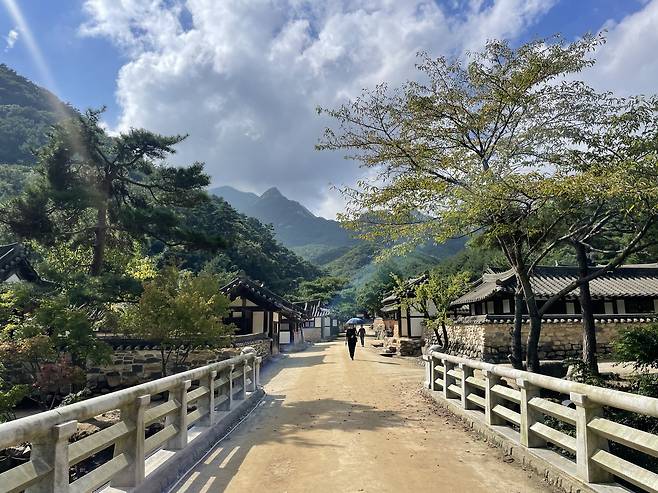
MUNGYEONG, North Gyeongsang Province — Surrounded by the ridges of the Baekdudaegan mountain range, Mungyeong in North Gyeongsang Province blends cultural heritage, seasonal flavors and outdoor adventure. Known for its apples and the historic Mungyeongsaejae Pass, the city draws visitors each fall to its festivals, farms and scenic parks that showcase the best of the season.
Mungyeongsaejae Provincial Park remains the region’s most iconic attraction. Once considered the highest and most treacherous pass in Korea, it cuts across the peaks of Joryeongsan. Locals used to say the path was so steep “even birds could not fly over.”
In the late 16th century, following the Imjin War of 1592-1598, three imposing stone gates — Juheulgwan, Jogokgwan and Joryeonggwan — were built as fortifications. Today, they are preserved as Historic Site No. 147. Hikers can follow a four-hour round-trip trail that links the gates through a shaded forest, while families can opt for small, animal-shaped electric carts that run from the entrance to the first gate.
The park is also famous as a filming location. The Mungyeongsaejae Open Set is one of Korea’s largest period drama sites, complete with tiled-roof houses, marketplaces and winding alleys that recreate the Joseon era (1392-1910). Popular series including “Under the Queen’s Umbrella” and “Bon Appetit, Your Majesty" were shot here, allowing visitors to step into scenes that feel lifted from history.
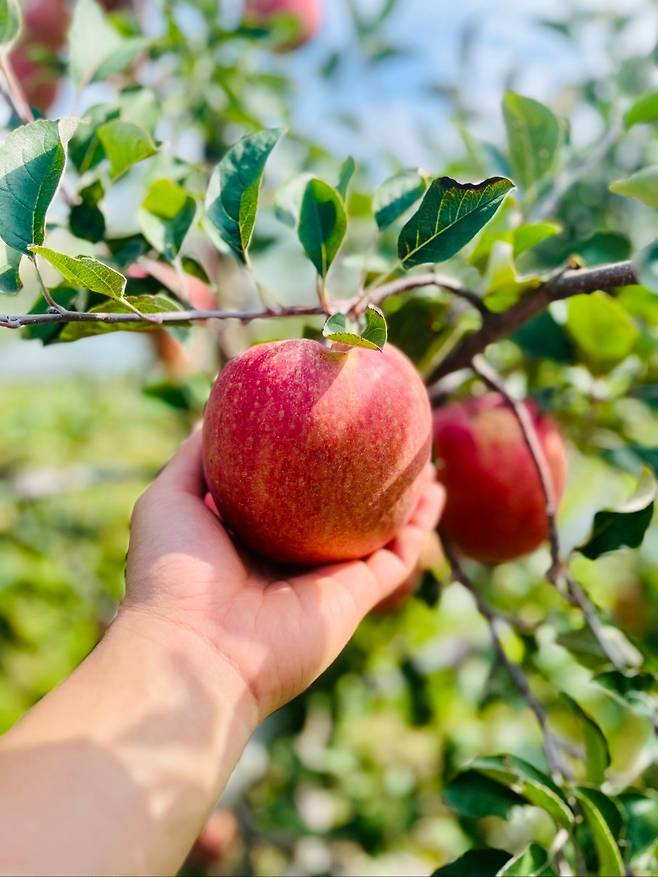
Omija and apples of autumn
Mungyeong is equally well known for its omija, or magnolia berries, cultivated at altitudes of 300 to 700 meters. Rich in color and taste, omija are prized for their distinctive “five flavors” — sweet, sour, bitter, salty and pungent — and the city accounts for nearly 45 percent of the country's production of the berries. Every September, the Mungyeong Omija Festival celebrates the harvest with tastings, markets and cultural events.
Wine enthusiasts head to Omynara Winery, located near the entrance of Mungyeongsaejae. Built on the site of a historic roadside tavern, Omynara combines orchards, a distillery and tasting halls. Its sparkling Omija Rose Premium even appeared on the banquet tables of the 2012 Nuclear Security Summit. Visitors can explore the fermentation process, sip omija wine and liqueurs, or join hands-on workshops to create personalized bottles complete with custom labels and wax seals.
October marks the apple season in Mungyeong, when orchards open for picking and tasting. The region’s crisp climate produces especially sweet fruit, with the Gamhong variety considered a local treasure. Large and elongated, it ripens in mid-October with a juicy, fragrant flesh.
“Gamhong apples are so delicious almost all of them are consumed locally,” said Jo Ara, owner of Jo Ara Apple Farm. She added that another seasonal variety, the Arisu apple, is equally appealing: “It is sweet and tart with a dense crunch.”
At the Mungyeong Apple Festival, travelers can pick fruit directly from the trees, sip cider and browse lively markets devoted to regional produce.
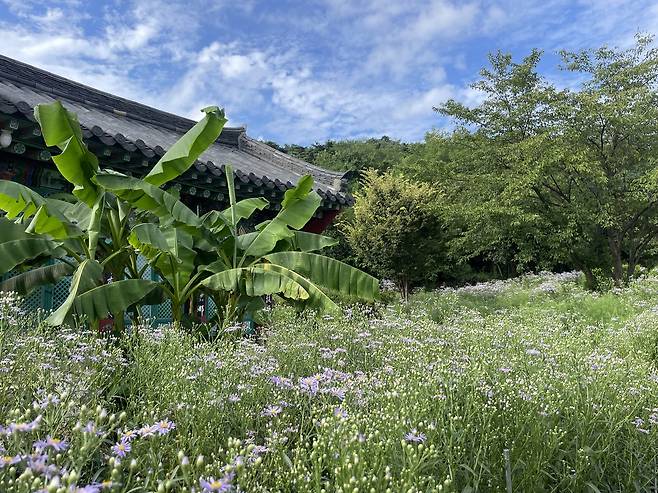
Fields of purple
For flower lovers, Mungyeong offers another seasonal spectacle. In September, Bongcheonsa Temple on the mountain Wolbangsan hosts the Gaemichwi (Aster) Festival. About 16,500 square meters of temple grounds transform into a sea of violet blooms, attracting photographers and day-trippers alike.
At 250 meters above sea level, the Buddhist temple provides sweeping views and a serene backdrop. The sight of delicate purple flowers set against the wooden eaves of the temple creates an atmosphere both meditative and picturesque.
Admission during the festival is 10,000 won — unlike other times of year, when the grounds are open free of charge. The flowers usually reach their peak between late September and early October. Visitors arriving in the first week may find only partial blooms, while those who come later the month are rewarded with fields in full glory.
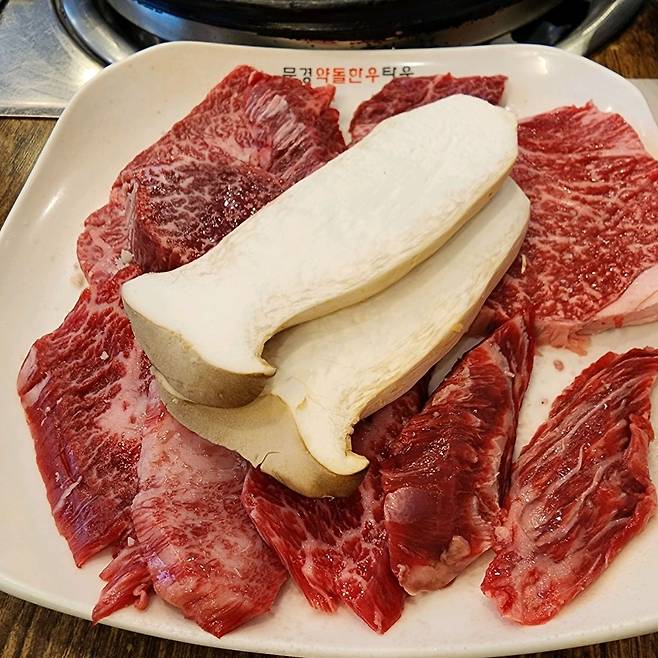
Taste of yakdol hanwoo
Mungyeong is also a destination for food lovers. The Yakdol Hanwoo Town complex was created to showcase the city’s prized beef, raised on land rich with pegmatite, or “medicine stone.” Locals believe the mineral-rich soil contributes to the meat’s unique flavor and healthful qualities.
Yakdol hanwoo is known for its rich taste and relatively low fat content. Visitors can grill cuts at the table, enjoy stews or try yukhoe bibimbap, a dish of raw beef, vegetables and rice. The adjoining butcher shop sells hanwoo at nearly half the market price, making it a popular stop for travelers looking to take some home.
Family-friendly stops
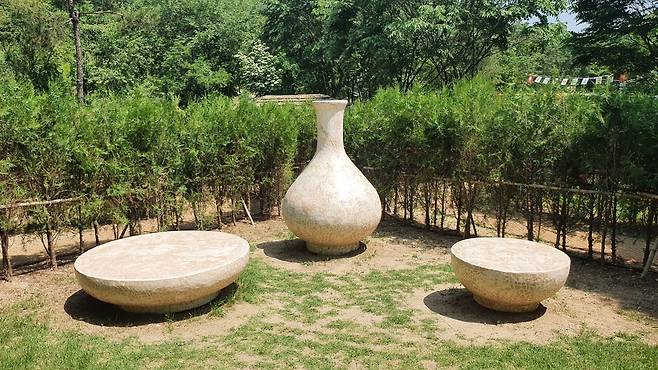
The Mungyeong Ecological Maze Park, transformed from a native plant garden, now features mazes in four themes — pottery, ecology, love and stone — along with observation decks, ponds and flower gardens.
The park also functions as an outdoor classroom, where children can watch herons, mandarin ducks and pheasants, or explore wetlands filled with irises and loosestrife.
With its historic gates, seasonal harvests, flower fields and hearty cuisine, Mungyeong captures the spirit of autumn in Korea. Conveniently accessed via the Jungbu Naeryuk Expressway, it makes for a rewarding weekend getaway. Whether sipping omija wine, crunching into a Gamhong apple, wandering among purple asters or hiking the storied passes, travelers find Mungyeong a place where history, flavor and nature come together.
Copyright © 코리아헤럴드. 무단전재 및 재배포 금지.