Vulnerable individuals’ self-sufficiency falls despite gov’t programs
전체 맥락을 이해하기 위해서는 본문 보기를 권장합니다.
"There are many smart farm self-sufficiency projects in rural areas but young people don't like farm work, saying it's too hard," said a representative from a social welfare organization. "They are only interested in how to succeed as YouTubers."
"The support system needs to be reorganized to match the characteristics of the participants," said Baek Hak-yeong, a professor of social welfare at Kangwon National University. "Fundamentally, we need to consider whether vulnerable individuals can realistically achieve self-sufficiency through employment or entrepreneurship, or whether an alternative support system is necessary."
이 글자크기로 변경됩니다.
(예시) 가장 빠른 뉴스가 있고 다양한 정보, 쌍방향 소통이 숨쉬는 다음뉴스를 만나보세요. 다음뉴스는 국내외 주요이슈와 실시간 속보, 문화생활 및 다양한 분야의 뉴스를 입체적으로 전달하고 있습니다.
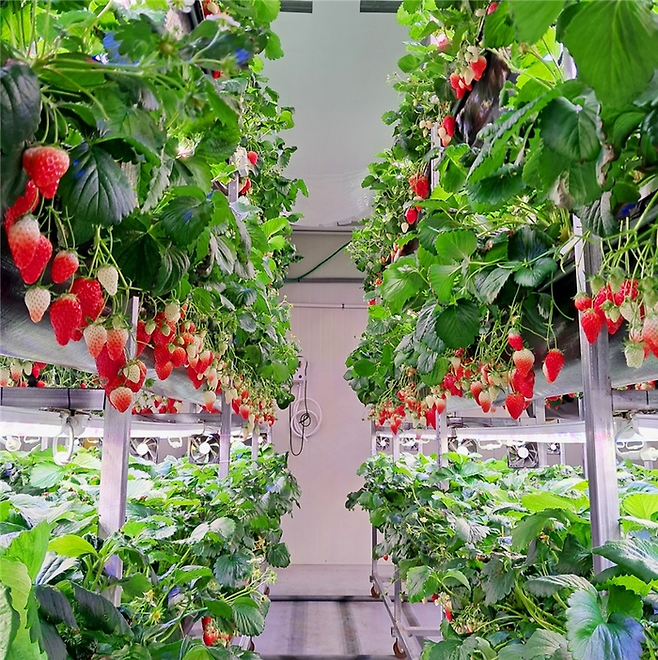
“There are many smart farm self-sufficiency projects in rural areas but young people don’t like farm work, saying it’s too hard,” said a representative from a social welfare organization. “They are only interested in how to succeed as YouTubers.”
Experts noted that this kind of “gap in expectations” is one of the reasons for the low success rate of self-sufficiency programs.
Among recipients of basic living allowances aged 18 to under 65, about 80,000 individuals are assessed as being capable of working and are eligible for self-sufficiency programs or national employment support systems.
The aging of participants within the self-sufficiency programs has also put them at a disadvantage in the job market.
The percentage of participants aged 60 or over rose from 25.8 percent in 2018 to 27.9 percent in 2021.
The issue is that the government’s budget for self-sufficiency programs has been steadily increasing.
According to the Ministry of Health and Welfare, the budget for these programs grew from 693.6 billion won ($503.12 million) in 2023 to 749.9 billion won in 2024 and 820.6 billion won this year.
Despite an increase of around 8 percent from 2023 to 2024, the success rate of self-sufficiency programs has declined, raising concerns about the effectiveness of the policy.
Experts argue that participants in self-sufficiency programs should be broadly divided into two groups and provided with clearly differentiated policy services.
“The support system needs to be reorganized to match the characteristics of the participants,” said Baek Hak-yeong, a professor of social welfare at Kangwon National University. “Fundamentally, we need to consider whether vulnerable individuals can realistically achieve self-sufficiency through employment or entrepreneurship, or whether an alternative support system is necessary.”
“At present, those with high work capacity and those with low work capacity are placed in the same project groups and attempt to start businesses together, but these groups should be separated,” said Jeong Hae-sik, president of the Korea Development Institute for Self-Sufficiency and Welfare (KDISSW).
Copyright © 매일경제 & mk.co.kr. 무단 전재, 재배포 및 AI학습 이용 금지
- 고 이건희 회장 소유 이태원 단독주택... 228억 현금으로 산 84년생 여성 CEO - 매일경제
- 오늘의 운세 2025년 9월 17일 水(음력 7월 26일) - 매일경제
- 누구나 돈 걱정없이 ‘독일차’ 타겠네…3천만원대 국산차값 승부수, “또 너냐” [카슐랭] - 매
- [단독] 바이브 윤민수, 40억에 산 상암동 빌딩 3년 만에 매각 추진 - 매일경제
- “960만 회원 불안에 떤다”…롯데카드 해킹 피해 규모 ‘눈덩이’ - 매일경제
- 옥주현 이어 또 터졌다…성시경 1인 기획사, 14년 간 ‘미등록 운영’ - 매일경제
- “부장급 이상, 저성과자 대상으로 희망퇴직”...TV 군살 빼기 나선 삼성·LG - 매일경제
- 일본처럼 백지수표 달라는 미국…“5천억달러 다 투자하면 한국 제조업 붕괴” - 매일경제
- [속보] 경찰, ‘관악구 칼부림’ 피의자 신상 공개…41세 김동원 - 매일경제
- ‘BBC급 1티어 확인’ 이강인 발목 통증? 괜찮다! PSG 오전 훈련 참가…‘챔스’ 아탈란타전 출전