Gov't unveils 5-year strategy for global cultural leadership, media innovation
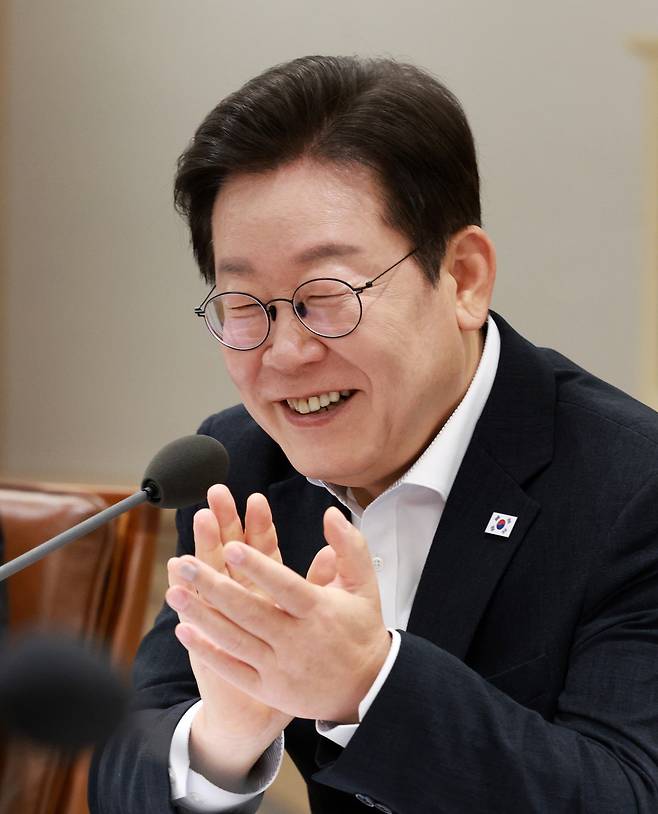
The Lee Jae Myung administration on Wednesday unveiled a series of plans to cement the country’s position as a global cultural powerhouse and to build a sustainable digital and media ecosystem.
The five-year plan outlines bold growth targets for the K-culture industry while reinforcing the foundations of artistic creation and public participation.
Under the first pillar of strengthening the country’s position as a global cultural powerhouse, the government aims to grow the K-culture market to 300 trillion won ($216 billion) by 2030, up from an estimated 206 trillion won in 2023. It also seeks to boost related industry exports to 50 trillion won and increase annual inbound tourism to 30 million visitors, compared with 16.37 million in 2024.
To achieve these goals, the government will facilitate industrial growth with policy financing of 10 trillion won, tax benefits and securing arenas for performances. Key sectors such as video, music and gaming will receive targeted support, while K-art, including literature, musicals and fine arts, Korean language and traditional culture will be promoted.
The plan also emphasizes expanding exports of culture-related industries, from food and beauty to tourism, and enhancing the infrastructure for both domestic and international visitors.
As the second pillar, the government aims to raise the national cultural arts attendance rate from 63 percent in 2024 to 70 percent by 2030, and the participation rate in daily sports from 60.7 percent in 2024 to 65 percent by 2030.
Measures will include creating more creative spaces and improving welfare for artists, developing arts and humanities programs for children and youth, and expanding cultural and sports facilities accessible to all age groups. A new Cultural Powerhouse Committee will oversee policy, while increased cultural funding will support long-term growth.
The government’s vision extends to building a forward-looking digital and media ecosystem. The first goal is to restore public service values in broadcasting through improved governance of public broadcasters, ensuring independence, and supporting educational and disaster-response content. Accessibility for disabled viewers will also be strengthened.
To ensure sustainable growth, a proposed Media Development Committee will coordinate legal reforms, and initiatives will connect small and medium-sized enterprises with broadcasting and pay-TV advertising opportunities. Support will be provided for the overseas expansion of K-platforms and the introduction of artificial intelligence into broadcast media.
Finally, the strategy prioritizes a user-centered digital environment, with stricter measures to combat misinformation, safeguard platform users from harm and strengthen regulations against illegal spam.
Copyright © 코리아헤럴드. 무단전재 및 재배포 금지.