Samsung wins 23 trillion-won chip deal with Tesla, reviving hope for its struggling foundry business
이 글자크기로 변경됩니다.
(예시) 가장 빠른 뉴스가 있고 다양한 정보, 쌍방향 소통이 숨쉬는 다음뉴스를 만나보세요. 다음뉴스는 국내외 주요이슈와 실시간 속보, 문화생활 및 다양한 분야의 뉴스를 입체적으로 전달하고 있습니다.
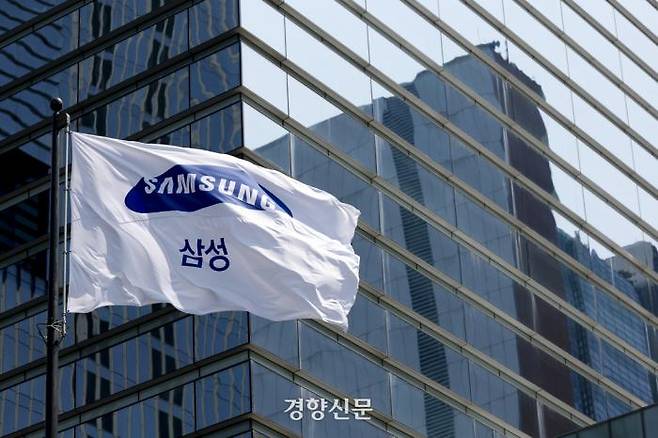
Samsung Electronics has secured a semiconductor foundry supply contract with Tesla worth approximately 23 trillion won, marking the largest single-client deal in its chip division’s history. The deal is drawing attention as it could help revive the company’s long-underperforming foundry business, once considered a burdensome unit within the company due to its chronic losses and lagging performance.
On July 28, Samsung announced in a regulatory filing that it had signed a 22.76 trillion won chip foundry contract with a major global company. The contract, which spans 8 years and 5 months from July 24 through December 31, 2033, accounts for about 7.6 percent of Samsung’s total sales last year (300.87 trillion won).
While Samsung did not disclose the client or detailed terms of the deal, citing a request to protect trade secrets, Tesla CEO Elon Musk publicly confirmed the partnership on social media platform X later that day.
Musk wrote, “Samsung’s new mega factory in Texas will be dedicated to producing Tesla’s next-generation AI6 chip,” adding that “the strategic importance of this deal cannot be overstated.” The AI6 chip is Tesla’s in-house developed high-performance AI processor, intended for use in full self-driving (FSD) vehicles, humanoid robots, and supercomputers.
Though the specific production timeline for the AI6 chip remains unclear, Musk previously said that its predecessor, the AI5 chip, would enter mass production by the end of 2026, suggesting that AI6 production would likely follow thereafter.
Musk also revealed that Samsung is currently producing the AI4 chip, while Taiwan's TSMC will manufacture the AI5 chip, first in Taiwan and later in Arizona, U.S. He added that “the $16.5 billion contract is just a minimum. Actual output may be several times higher,” implying that the final value of the deal could exceed its initial figure.
The deal with Tesla could mark a turning point for Samsung’s foundry unit, which has struggled in recent years. Since 2022, the division has faced persistent challenges including low production yield and difficulty attracting large-scale clients, resulting in quarterly losses in the trillions of won. Samsung’s global market share in the foundry sector currently stands at 8 percent, far behind industry leader TSMC’s 67 percent.
An industry insider said, “It’s too early to say this single deal will completely end Samsung’s foundry woes,” but added, “If Samsung executes this project successfully, it could boost trust in its process technology and manufacturing capabilities, ultimately helping to attract more orders from global big tech firms.”
News of the contract sent Samsung’s stock soaring. On the same day, its shares closed at 70,400 won, up 6.83 percent from the previous trading session, surpassing the 70,000-won mark for the first time in nearly 11 months, since early September last year.
Samsung Electronics has secured a semiconductor foundry supply contract with Tesla worth approximately 23 trillion won, marking the largest single-client deal in its chip division’s history. The deal is drawing attention as it could help revive the company’s long-underperforming foundry business, once considered a burdensome unit within the company due to its chronic losses and lagging performance.
On July 28, Samsung announced in a regulatory filing that it had signed a 22.76 trillion won chip foundry contract with a major global company. The contract, which spans 8 years and 5 months from July 24 through December 31, 2033, accounts for about 7.6 percent of Samsung’s total sales last year (300.87 trillion won).
While Samsung did not disclose the client or detailed terms of the deal, citing a request to protect trade secrets, Tesla CEO Elon Musk publicly confirmed the partnership on social media platform X later that day.
Musk wrote, “Samsung’s new mega factory in Texas will be dedicated to producing Tesla’s next-generation AI6 chip,” adding that “the strategic importance of this deal cannot be overstated.” The AI6 chip is Tesla’s in-house developed high-performance AI processor, intended for use in full self-driving (FSD) vehicles, humanoid robots, and supercomputers.
Though the specific production timeline for the AI6 chip remains unclear, Musk previously said that its predecessor, the AI5 chip, would enter mass production by the end of 2026, suggesting that AI6 production would likely follow thereafter.
Musk also revealed that Samsung is currently producing the AI4 chip, while Taiwan's TSMC will manufacture the AI5 chip, first in Taiwan and later in Arizona, U.S. He added that “the $16.5 billion contract is just a minimum. Actual output may be several times higher,” implying that the final value of the deal could exceed its initial figure.
The deal with Tesla could mark a turning point for Samsung’s foundry unit, which has struggled in recent years. Since 2022, the division has faced persistent challenges including low production yield and difficulty attracting large-scale clients, resulting in quarterly losses in the trillions of won. Samsung’s global market share in the foundry sector currently stands at 8 percent, far behind industry leader TSMC’s 67 percent.
An industry insider said, “It’s too early to say this single deal will completely end Samsung’s foundry woes,” but added, “If Samsung executes this project successfully, it could boost trust in its process technology and manufacturing capabilities, ultimately helping to attract more orders from global big tech firms.”
News of the contract sent Samsung’s stock soaring. On the same day, its shares closed at 70,400 won, up 6.83 percent from the previous trading session, surpassing the 70,000-won mark for the first time in nearly 11 months, since early September last year.
Samsung Electronics has secured a semiconductor foundry supply contract with Tesla worth approximately 23 trillion won, marking the largest single-client deal in its chip division’s history. The deal is drawing attention as it could help revive the company’s long-underperforming foundry business, once considered a burdensome unit within the company due to its chronic losses and lagging performance.
On July 28, Samsung announced in a regulatory filing that it had signed a 22.76 trillion won chip foundry contract with a major global company. The contract, which spans 8 years and 5 months from July 24 through December 31, 2033, accounts for about 7.6 percent of Samsung’s total sales last year (300.87 trillion won).
While Samsung did not disclose the client or detailed terms of the deal, citing a request to protect trade secrets, Tesla CEO Elon Musk publicly confirmed the partnership on social media platform X later that day.
Musk wrote, “Samsung’s new mega factory in Texas will be dedicated to producing Tesla’s next-generation AI6 chip,” adding that “the strategic importance of this deal cannot be overstated.” The AI6 chip is Tesla’s in-house developed high-performance AI processor, intended for use in full self-driving (FSD) vehicles, humanoid robots, and supercomputers.
Though the specific production timeline for the AI6 chip remains unclear, Musk previously said that its predecessor, the AI5 chip, would enter mass production by the end of 2026, suggesting that AI6 production would likely follow thereafter.
Musk also revealed that Samsung is currently producing the AI4 chip, while Taiwan's TSMC will manufacture the AI5 chip, first in Taiwan and later in Arizona, U.S. He added that “the $16.5 billion contract is just a minimum. Actual output may be several times higher,” implying that the final value of the deal could exceed its initial figure.
The deal with Tesla could mark a turning point for Samsung’s foundry unit, which has struggled in recent years. Since 2022, the division has faced persistent challenges including low production yield and difficulty attracting large-scale clients, resulting in quarterly losses in the trillions of won. Samsung’s global market share in the foundry sector currently stands at 8 percent, far behind industry leader TSMC’s 67 percent.
An industry insider said, “It’s too early to say this single deal will completely end Samsung’s foundry woes,” but added, “If Samsung executes this project successfully, it could boost trust in its process technology and manufacturing capabilities, ultimately helping to attract more orders from global big tech firms.”
News of the contract sent Samsung’s stock soaring. On the same day, its shares closed at 70,400 won, up 6.83 percent from the previous trading session, surpassing the 70,000-won mark for the first time in nearly 11 months, since early September last year.
※This article was translated by an AI tool and edited by a professional translator.
Copyright © 경향신문. 무단전재 및 재배포 금지.
- [속보] 파업 위기에 고개 숙인 이재용 “비바람 제가 맞겠다···지혜롭게 힘모아 한 방향으로 나
- ‘운동회 악성 민원’에 결국 칼 빼든 경찰청 “소음 신고 들어와도 출동 자제”
- “일단 좋은 위치로 32강”···월드컵 목표 낮춘 ‘홍명보 출사표’ 왜?
- 승용차가 스포츠센터 돌진해 수영장에 빠져···2명 부상
- “바나나물 주면 식물이 쑥쑥?”…SNS 유행 ‘꿀팁’ 원예 전문가에게 효과 물어보니
- “아리가또 하이닉스”…외국 개미, 한국 증시로 얼마나 몰려올까
- ‘진화하는 K-좀비’ 칸을 홀렸다···“신선한 악역” 기립박수 쏟아진 ‘군체’ [현장]
- “국민의힘을 정치 플랫폼 삼겠다”…‘절윤’ 못한 국힘, ‘윤어게인’ 침투 통로 됐다
- 트럼프 “시진핑과 ‘대만 무기판매’ 구체 논의” 발언 파장···대만 “무기 판매는 안보 약속
- 임재범, 오늘부터 마지막 콘서트…40년 음악 인생 마침표