Culture minister nominee wary of labeling gaming disorder as disease
전체 맥락을 이해하기 위해서는 본문 보기를 권장합니다.
He added, "The scientific basis for viewing gaming disorder as a disease is not sufficient. The issue remains controversial not only among (Korean) academia and medical and gaming industries, but also internationally."
Chae, the CEO of Nol Universe and a journalist-turned-tech platform expert, noted, "I believe that a broad social consensus must be reached before introducing a disease classification code for gaming disorder. Classifying game content, which is a major export sector, as a disease could significantly hurt the gaming industry and its exports."
이 글자크기로 변경됩니다.
(예시) 가장 빠른 뉴스가 있고 다양한 정보, 쌍방향 소통이 숨쉬는 다음뉴스를 만나보세요. 다음뉴스는 국내외 주요이슈와 실시간 속보, 문화생활 및 다양한 분야의 뉴스를 입체적으로 전달하고 있습니다.
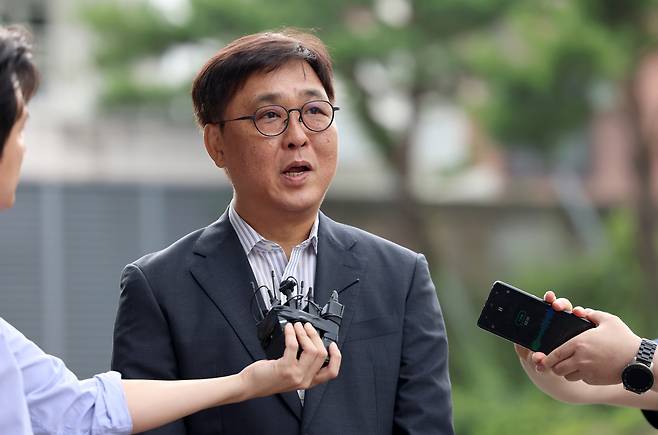
Chae Hwi-young, the nominee to head the Ministry of Culture, Sports and Tourism, expressed reservations about the classification of gaming disorder as a disease, according to Rep. Kim Seung-soo of the main opposition People Power Party on Tuesday.
In a written response submitted to Rep. Kim regarding his confirmation hearing scheduled for later Tuesday, Chae stated, “Gaming is one of Korea’s representative leisure cultures.”
He added, “The scientific basis for viewing gaming disorder as a disease is not sufficient. The issue remains controversial not only among (Korean) academia and medical and gaming industries, but also internationally.”
Chae, the CEO of Nol Universe and a journalist-turned-tech platform expert, noted, “I believe that a broad social consensus must be reached before introducing a disease classification code for gaming disorder. Classifying game content, which is a major export sector, as a disease could significantly hurt the gaming industry and its exports.”
In 2019, the World Health Organization designated gaming disorder as a disease and included it in the International Classification of Diseases. In response, the South Korean government established a public-private consultative body under the Prime Minister’s Office to discuss whether to include gaming disorder in the Korean Standard Classification of Diseases. However, the country has yet to reach a consensus.
Amid ongoing divisions between the medical and gaming industries ― as well as between the Health and Culture ministries ― the government had initially planned to launch a fact-finding study last year. The plan was postponed due to sharp disagreements over key issues such as research methodology, the lead agency responsible for the study, specific terminology and the phrasing of survey questions.
“If appointed as minister, I will actively coordinate with relevant ministries on this issue," Chae added.
Regarding calls within the industry to allow "play-to-earn" games that use blockchain technology and cryptocurrency, Chae said it was too early for such a move.
“I believe a comprehensive decision should be made only after the Financial Services Commission has established a legislative framework to protect users and manage virtual assets," Chae said. “There are concerns about harm to game users due to the lack of a robust regulatory framework for virtual assets.”
Chae also outlined three key strategies to strengthen the competitiveness of Korea’s gaming industry. These include expanding tax incentives and financial investment to support the development of major intellectual properties, promoting AI-powered tools to make game development accessible to anyone with creative ideas and supporting entry into new overseas markets to position gaming as a strategic export industry.
The National Assembly’s Culture, Sports and Tourism Committee decided Tuesday to schedule Chae’s nomination hearing for July 29.
Copyright © 코리아헤럴드. 무단전재 및 재배포 금지.