Relief for 12 million workers: Credit card tax break set for extension
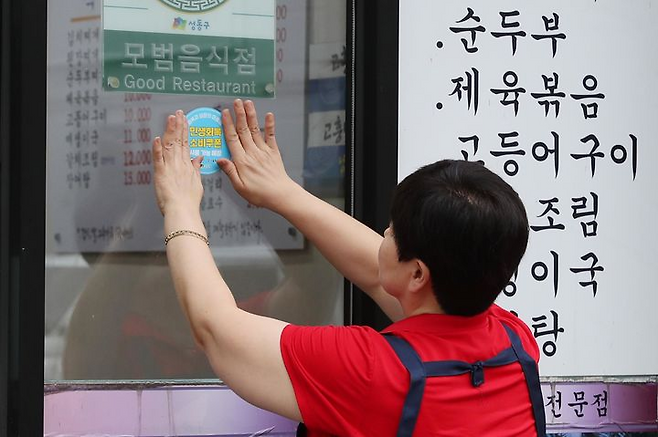
Korea's ruling party may extend a popular tax deduction that has long served as an “extra paycheck” for over 12 million workers to prevent further weakening of private consumption.
The government’s key decision-making body, the State Affairs Planning Committee, is expected to soon decide on the fate of 72 tax exemption programs scheduled to expire this year, totaling approximately 19 trillion won ($13.7 billion).
Among these is the widely used credit card deduction, introduced in 1999 and extended multiple times over the past two decades.
The deduction allows workers to subtract a portion of their credit card spending from taxable income, effectively lowering their tax burdens. Last year alone, it saved taxpayers around 5.3 trillion won.
The benefit is particularly impactful for over 12.6 million eligible workers; more than 60 percent of those filing year-end tax settlements claimed the deduction.
Many such workers, especially those earning between 45 and 50 million won annually, received roughly 450,000 won in refunds, often feeling like an extra paycheck.
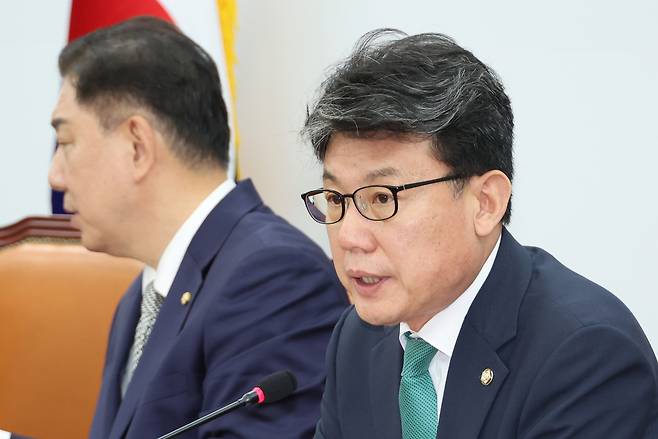
Rep. Jin Sung-joon of the ruling Democratic Party of Korea ruled out the possibility of ending the deduction program during a policy coordination meeting at the National Assembly on Thursday. "With boosting consumer spending more urgent than ever, the expiration of the credit card income deduction runs counter to this goal."
His remarks came days after Kim Jung-jae, a top policymaker of the main opposition People Power Party, claimed on Tuesday that the Lee administration is considering taxing social support payments and ending the credit card income deduction.
“They’re pretending to support the economy and encourage consumption on the surface, while secretly planning to tighten the purse strings,” she said, insisting that social support funds such as disaster relief payments should remain tax-free. Suddenly planning to tax them “is just a way to take back money already given, which I call an unjust ‘recovery tax’ policy,” she added.
Speculation over the potential abolition of this popular deduction stems from concerns over the country’s weakening tax revenue base. Recent supplementary budgets, including universal stimulus coupons, have further strained government finances.
According to data from Rep. Ahn Do-geol of the Democratic Party, Korea faced an estimated revenue shortfall of about 87 trillion won between 2023 and 2024, with an additional 17 trillion won shortfall forecasted for this year.
Critics warn that the removal of such popular benefits could provoke public backlash and dampen consumer spending at a time when private consumption remains extremely weak.
“Given the fragile domestic consumption, there’s a need to promote card spending, especially as small business owners are repeatedly requesting that the government increase the income deduction rate for purchases made at traditional markets,” Seo Ji-yong, a professor of business administration at Sangmyung University, said.
Private consumption declined by 0.1 percent in the first quarter of this year, and some institutions are projecting growth rates in the mid-1 percent range for the rest of the year, indicating a likely slowdown in economic recovery.
Copyright © 코리아헤럴드. 무단전재 및 재배포 금지.