Through hanok windows: Suh Seung-won explores light, color and memory
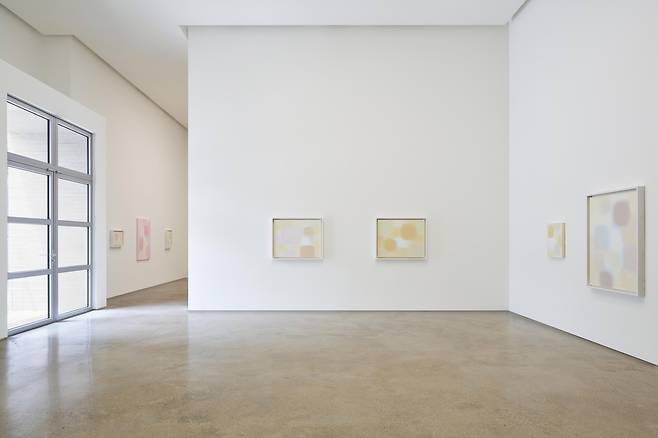
Korean artist Suh Seung-won’s paintings resonate deeply in the brightness of summer: The shimmering light of the sun and the moon filtered through the paper-covered windows of a traditional Korean house, or hanok, was a source of inspiration for the artist.
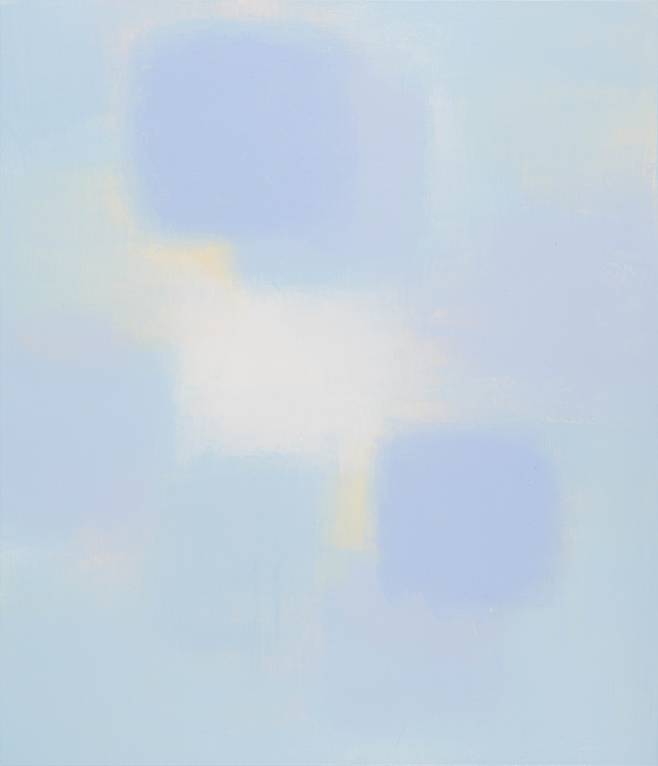
An ongoing exhibition at PKM Gallery, “Suh Seung-Won: The Interplay,” shows Suh's works created since 2021. The dream-like, pastel-toned paintings evoke nostalgia, particularly among visitors with memories of hanok.
Suh, 84, has delved into the theme of “simultaneity” throughout his career. Initially recognized for geometric abstractions in the 1970s that featured reductive compositions of line, plane, form and color, Suh began exploring a more expanded abstraction in the 1990s, dissolving the boundaries of his subjects and allowing forms and backgrounds to interact.
Suh's art is deeply rooted in his upbringing at a time of political and economic turmoil in Korea: People were fighting for democracy against authoritarian governments, and the country was undergoing rapid state-led industrialization.
There were no apartment buildings in the country around 1963 and there was no modern architecture either, according to the artist.
“In Western-style houses, light enters directly through the windows, and one is literally exposed to direct sunlight. On the other hand, the windows of hanok are covered with hanji (traditional mulberry paper), so sunlight is filtered through the paper,” Suh said in a conversation with art critic Yoon Jin-sup in 2021, included in the artist’s catalogue published in 2021 by PKM Gallery.
“This is how I see my colors. Just as changhoji (hanji used for windows and doors) naturally absorbs sunlight to let soft and subdued light through, my colors absorb something internally,” he said.
Over time, the colors he uses have gradually become soft and transparent. "Obangsaek," or the traditional five cardinal colors of Korea -- black, white, blue or green, red and yellow -- seen in his early paintings, have evolved over decades.
The evolution in expression, which the artist called “filtered colors,” is influenced by how his mother laundered white garments in the traditional way by pounding them with a wooden bat.
“I filter and remake the colors. Filtering constitutes the foundation of all of my style, expressions and mentality,” the artist said.
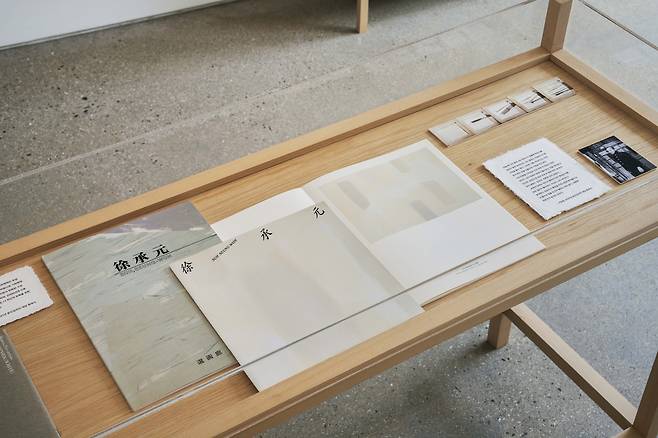
One of the leading Korean artists, Suh was the founding member of Origin, a geometric abstraction group launched in 1962, and the avant-garde art collective AG, which existed from 1969 to 1975.
His recent museum exhibitions include “Only the Young: Experimental Art in Korea, 1960s–1970s” at the Solomon R. Guggenheim Museum in New York in 2024. The exhibition at PKM Gallery runs through July 12.
Copyright © 코리아헤럴드. 무단전재 및 재배포 금지.