1 in 4 Koreans aged 20–50 invests in crypto
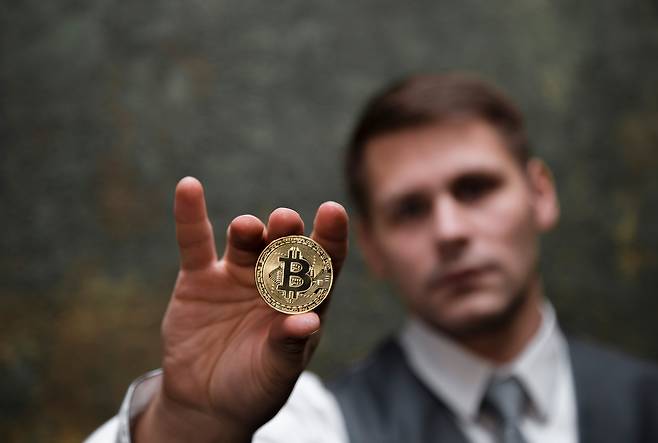
About 1 in 4 Koreans aged 20 to 50 currently holds virtual assets, with the majority of these investors being men in their 30s and 40s working in white-collar jobs, a new report from the Hana Institute of Finance showed Sunday.
The report, titled 2050 Generation's Virtual Asset Investment Trends, highlights how investor behavior has evolved from trend-chasing to a more analytical and planned approach.
The study shows that aggressive and risk-tolerant individuals are significantly more likely to invest in cryptocurrencies. Despite holding fewer liquid assets than the average, these investors allocate more capital overall to financial products, with virtual assets comprising some 14 percent of their total holdings.
Initially driven by fear of missing out, or FOMO, motivations for virtual asset investment have shifted. Now, more investors cite growth potential, portfolio diversification and structured savings as key reasons. Channels for gathering investment information have also changed, with reliance on peer influence declining and the use of official exchanges and analytical platforms rising.
“Virtual assets are already playing a central role in investor portfolios and will likely become more mainstream. As such, there is strong demand for legal frameworks and expanded roles for traditional financial institutions," said Yoon Sun-young, a research fellow at Hana Institute of Finance.
For banks, it is both an opportunity and a challenge, according to Yoon. "They must prepare proactively for ecosystem expansion by diversifying crypto-based financial products and enhancing integrated investment management.”
However, friction in the investment process persists. Some 76 percent of respondents reported inconvenience due to the inability to link their existing bank accounts to crypto exchanges.
This issue stems largely from the mandatory one-exchange, one-bank system in Korea. When choosing a trading platform, investors now prioritize which bank the exchange is linked with over the platform’s interface or trading features.
Currently, 70 percent of respondents currently use Upbit, which is linked to K bank.
The report also indicates that 7 in 10 respondents are interested in future investments in virtual assets. Many view integration with traditional financial institutions and stronger regulatory frameworks as key to improving trust and convenience. Notably, over half of current investors said they would consider expanding their relationship with banks offering crypto-related services if incentivized with promotions or benefits.
Bitcoin remains the most favored asset, but former investors show growing interest in stablecoins, a type of cryptocurrency the value of which is pegged to another asset, such as a fiat currency or gold, especially those that could be introduced through regulated channels.
Copyright © 코리아헤럴드. 무단전재 및 재배포 금지.