South Korea lags as US, China race ahead on robotaxis
이 글자크기로 변경됩니다.
(예시) 가장 빠른 뉴스가 있고 다양한 정보, 쌍방향 소통이 숨쉬는 다음뉴스를 만나보세요. 다음뉴스는 국내외 주요이슈와 실시간 속보, 문화생활 및 다양한 분야의 뉴스를 입체적으로 전달하고 있습니다.
As autonomous taxi services gain traction across the United States and China, South Korean experts are calling on the government to accelerate efforts to commercialize similar technology at home. Despite years of investment in self-driving vehicle development, South Korea still lags behind in regulatory frameworks and access to high-quality driving data—both essential for scaling up the industry.
At a recent policy forum hosted by the Korea Automobile and Mobility Industry Alliance (KAIA), industry leaders warned that South Korean firms are falling behind in the global race to develop autonomous vehicles, particularly in securing funding. While Chinese companies benefit from aggressive support from central and local governments, South Korean firms face stagnant—or even declining—R&D budgets.
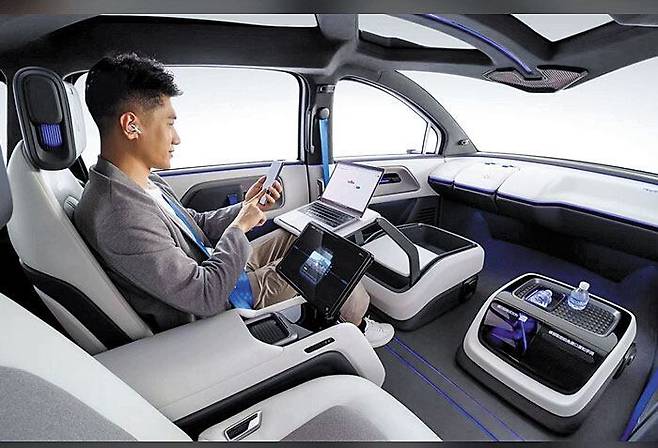
According to the Korea Institute for Industrial Economics and Trade, government funding for automotive research and development fell by 10% in 2024 from the previous year. Although the 2025 budget has recovered slightly to 423.6 billion won (about $307 million), it still remains below 2023 levels.
Industry officials stress that self-driving technology requires long-term, sustained investment in talent, facilities, and research. With the market still in its infancy and short-term profitability uncertain, the financial burden is growing not only for startups but also for established conglomerates.
Hyundai Motor Group, for example, reorganized its autonomous vehicle units last year following disappointing results from its subsidiaries Motional and 42dot. In late 2024, 42dot exited its driverless bus operations in the Gwanghwamun area due to mounting losses, while Motional suspended its robotaxi pilot program in the United States.
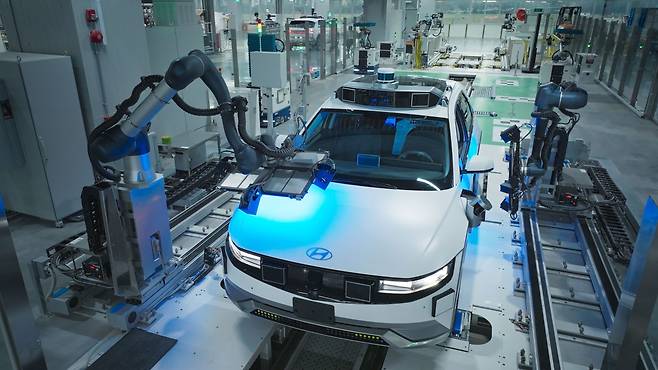
Although regulations for pilot programs have eased in recent years, the legal and institutional infrastructure needed to support commercial deployment remains underdeveloped. Key issues such as liability in the event of accidents, competition with traditional taxi operators, and employment disruptions have yet to be resolved. Experts say broader social consensus is still lacking.
Another major obstacle is the shortage of usable data. Developing robust autonomous systems requires not only driving logs but also contextual information, such as pedestrian gaze direction and movement patterns. While South Korea has carried out limited pilot programs in parts of Seoul, companies in the U.S. and China have already gathered vast amounts of real-world data from thousands of deployed vehicles.
Baidu, which launched China’s first robotaxi service in 2013, has logged more than 6 million autonomous rides and over 100 million kilometers of driverless travel. Google’s Waymo has accumulated more than 53 million kilometers and 5 million rides. By comparison, South Korea’s leading firm, Autonomous A2Z, has logged just 620,000 kilometers in urban pilot zones.
According to global research firm MarketsandMarkets, the robotaxi industry is poised for explosive growth—rising from $400 million in 2023 to an estimated $45.7 billion by 2030, with an average annual growth rate of nearly 92%.
Copyright © 조선일보. 무단전재 및 재배포 금지.
- 대한노인회 “출퇴근시간 무임승차 제한 우려”…靑 “계획 없어”
- 이란 공격에 실종된 태국 선원 3명…선내서 유해 발견
- “비웃는 것 같아” 젓가락 공격한 중국인… 피해자 실명 위기
- 尹정권 국정조사에... 與 “정치검찰 만행 드러나” 野 “李대통령 공소취소 목적”
- 머스크가 요구한 스페이스X IPO 참여 조건은?...“AI 챗봇 구독”
- 尹 탄핵 1년... 국힘 “잘못된 계엄으로 국민께 실망·혼란 사과”
- 인천 모텔 객실서 화재…투숙객 26명 병원 이송
- 시진핑 숙청 칼날, 본인이 아낀 ‘항공우주 영웅’도 낙마시켰다
- ‘프로젝트 헤일메리’, ‘왕사남’ 제치고 일일 박스오피스 1위
- 오웬 화이트 부상 이탈 한화, 우완 마이너 투수 잭 쿠싱 6주 계약