Seoul sees net inflow of young residents for third consecutive year
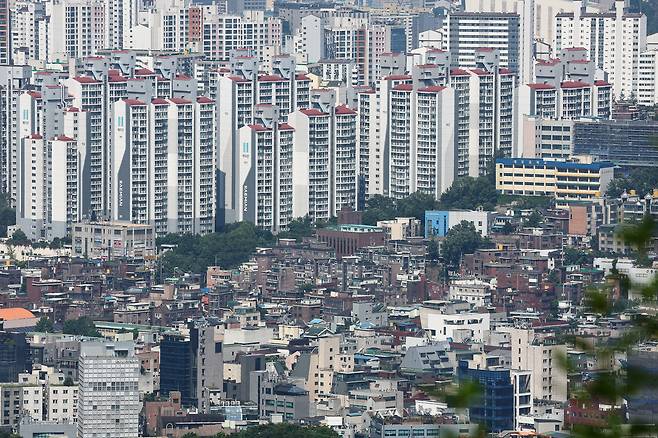
For the third year in a row, more young adults moved into Seoul than left it in 2024, city data showed Wednesday.
According to a report released Wednesday by the Seoul Metropolitan Government, about 260,000 people aged 19 to 39 newly registered as Seoul residents in 2024, surpassing as the 245,000 people of the same age group who left the city during the same period.
This marks the third consecutive year of net inflow, following increases of 32,000 in 2022 and 28,000 in 2023.
As of 2023, Seoul had 2.86 million residents aged 19 to 39, accounting for 30.5 percent of the city’s total population, which dropped from 3.18 million in the same age group recorded in a 2016 survey.
Nearly half of the new young residents of the metropolis said the move was due to work (46.4 percent), followed by family (18.7 percent), and education (15.3 percent). When the under-40s who moved out of Seoul were asked the same question, 34.9 percent cited family, while 28.5 percent said it was due to work and 20.8 percent said it was due to housing.
As of 2022, there were 1.2 million households headed by a person from the 19-39 age group, accounting for 29.3 percent of all households in the city. Of these households, 64.5 percent were single-person households.
Only 26.8 percent of households headed by someone under the age of 40 were living in apartments — down from 30 percent in 2016. Detached house-residing families dropped from 33.3 percent to 28.3 percent in the same period. Instead, an increasing number of under-40s were living in alternate housing forms such as "officetel" — a small residential unit inside a commercial-residential building, usually a studio — which increased from 11.8 percent in 2016 to 18.5 percent.
As of 2023, 2.08 million under-40s were economically active, which refers to a status of either working or actively looking for a job. About 1.98 million of them were actually working, with 58 percent of them working as employees of a company.
Copyright © 코리아헤럴드. 무단전재 및 재배포 금지.