Oasis rescues Tmon in cash deal, eyes e-commerce expansion
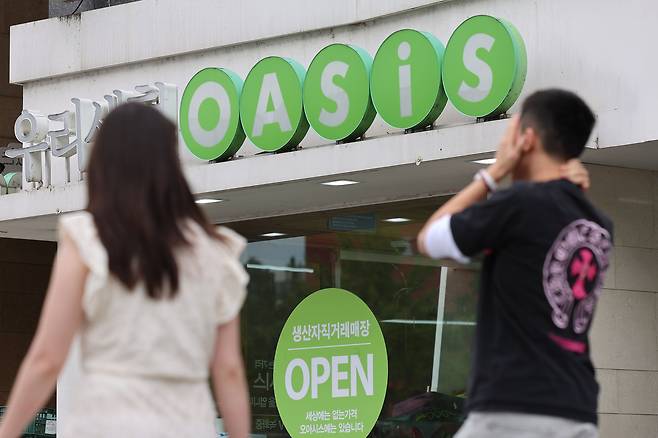
Debt-laden e-commerce platform Tmon has found a lifeline in fresh food delivery company Oasis, narrowly avoiding collapse. Most of Tmon’s creditors, however, are expected to forgo repayment on more than 1 trillion won ($732 million) in outstanding debt.
The Seoul Bankruptcy Court on Tuesday approved the company’s rehabilitation plan through a compulsory order, clearing the way for Oasis to move forward with the acquisition.
The decision comes 11 months after Tmon’s large-scale liquidity crisis emerged in July, prompting court-led rehabilitation proceedings in September.
Tmon submitted a debt workout plan last month centered on its acquisition by Oasis, but the proposal was rejected at a creditors’ meeting last Friday after falling short of support from commercial creditors, mostly small merchants and consumers.
Despite the rejection, the court granted approval, citing that the plan "serves the interests of all stakeholders — including secured and unsecured creditors and employees." The approval was conditional on including protective measures for commercial creditors, as outlined in the plan.
Oasis is acquiring Tmon for 11.6 billion won through a full equity purchase via new share issuance. Industry estimates suggest an additional 6.5 billion won will be needed to cover unpaid wages, severance and other outstanding liabilities.
The online grocery market is funding the deal entirely in cash. As of the end of last year, Oasis held around 150 billion won in cash and cash equivalents. Its debt-to-equity ratio stood at 42 percent, and its current ratio at 324 percent — figures that point to solid financial health.
Oasis, focused on overnight grocery delivery, has grown steadily since launching its online service in 2018. Founded in 2011 as a store-based organic food retailer, it leveraged an expansive producer network to go digital. Last year, it posted 517.1 billion won in revenue and 22.9 billion won in operating profit — up 9 percent and 27 percent, respectively — remaining the only overnight grocery delivery firm to turn an annual profit.
The company aims to grow its e-commerce market share through the acquisition. Oasis currently has just 2 million members — a fraction of market leaders Kurly and Coupang, each with over 10 million users. Tmon, which has expanded aggressively through an open-market model, is estimated to have 4 to 5 million active users, potentially more than tripling Oasis’s user base.
The acquisition is expected to bolster Oasis ahead of its planned initial public offering. The company is owned by Kosdaq-listed tech firm Gaeasoft.
Oasis plans to operate Tmon as a separate entity to preserve its brand value, avoiding a physical merger. Tmon will relaunch its marketplace and explore new business models to expand its presence in the fast-delivery sector.
Meanwhile, the rehabilitation plan is drawing backlash from creditors, as only 10 billion won of Oasis’s acquisition payment will go toward debt repayment — less than 0.8 percent of Tmon’s total outstanding debt of approximately 1.2 trillion won.
Oasis has pledged to support Tmon’s recovery, vowing to implement the industry’s lowest commission rates and a next-day settlement system to assist previously affected sellers. It also plans to inject additional funds to cover employee salaries and operating costs.
Copyright © 코리아헤럴드. 무단전재 및 재배포 금지.