We don't need more objects, just better ones: Antonio Citterio
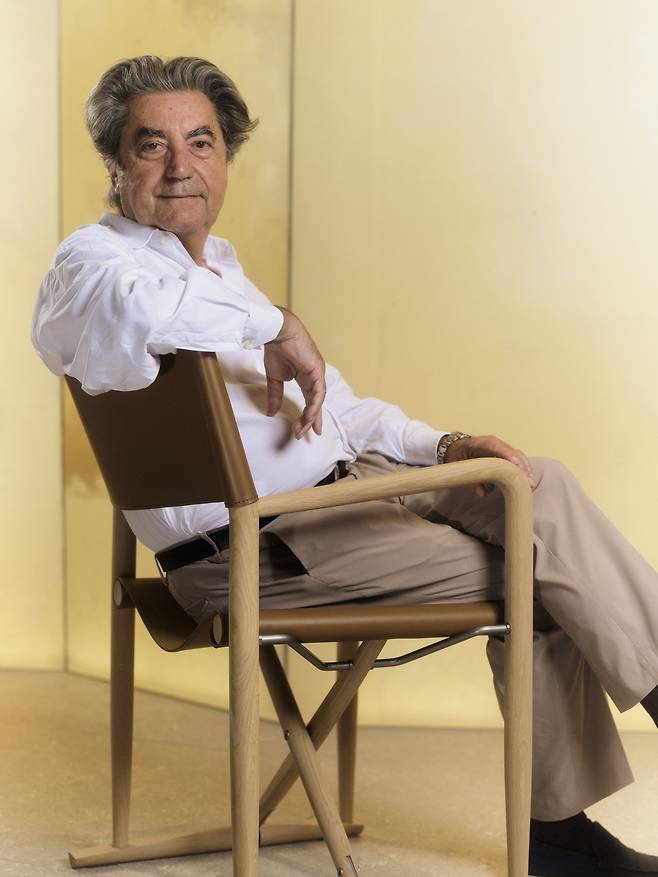
Behind companies that manage to build a legacy and maintain the quality of their products, there are often people carving out the company's identity and helping to write its history. For Italian luxury furniture company Flexform, designer and architect Antonio Citterio is one such person.
Flexform was founded in 1959 by the Galimberti brothers in northern Italy, and is renowned for its high-end sofas, armchairs, tables and beds. Last month, the company launched its brand in Seoul with the Infini Cheongdam flagship store, one of a series of flagship stores opening around the world.
“Flexform’s uniqueness lies in its quiet consistency. In more than four decades of collaboration, we have developed a shared language based on measured elegance, comfort and timelessness. It is a company that does not follow trends,” Citterio said in a recent interview with The Korea Herald in Seoul.
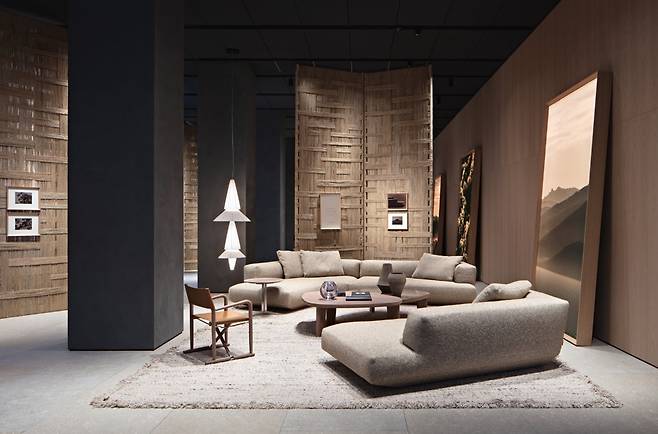
The brand’s signature sofas, such as Groundpiece, Soft Dream, Perry, Gregory, Asolo and Camelot, have been around for decades, and were created out of the designer’s observations of people — the way they live, sit, rest and gather.
“Groundpiece, for instance, was born from observing the everyday: how a sofa isn’t just for sitting, but for reading, relaxing, even working. I rethought proportions, making it lower and deeper, and introduced more informal elements,” the designer said. Since its launch in 2001, Groundpiece has become one of the most sought-after sofas by the company.
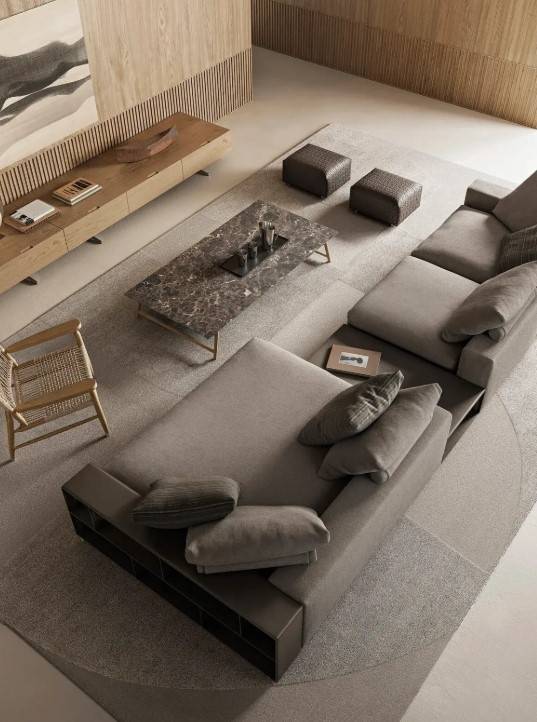
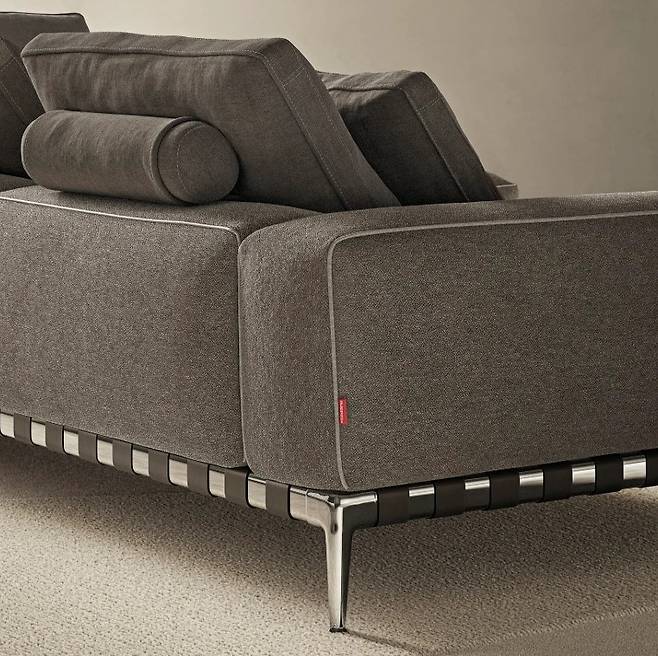
Gregory, a sofa that features leather straps, is an example of visual expression of craftsmanship and quality, “balancing between technical precision with material sensitivity,” Citterio said.
“It is never about decoration; it is about making each component meaningful. In all these projects, the goal is the same: clarity, comfort and design that stays relevant over time,” he said.
The designer noted South Korea’s growing appreciation for fine art and high-quality design aligns naturally with Flexform’s values.
“South Korea is an extraordinary cultural landscape: design-aware and deeply connected to both tradition and innovation,” he said. “Flexform speaks a language of restraint, continuity and subtle luxury, and I believe that resonates with the Korean sensitivity to beauty, calm and authenticity in the domestic space.”
His design practice traverses different fields. An architecture graduate of Polytechnic University of Milan, he is a co-founder of ACPV Architects and was a professor of architectural design at the Mendrisio Academy of Architecture in Switzerland.
In fact, the design fields he bridges share a common aim — to improve the way people live through intelligent and coherent design, according to the architect.
“In Italy, there has never been a strict separation between architecture, interior and product design. They are different scales of the same conceptual process.
“When I design a chair or a sofa, I don’t isolate it from its surroundings. I think about the space it lives in, the gestures of the people who use it, and how light, proportions and relationships shape the experience,” he said.
In a world flooded with designs sporting loud aesthetics and where people can easily obtain objects or furniture with a single click, Citterio's designs stay grounded by his philosophy: clarity, durability and timelessness.
“I have always thought that creativity must exist inside the industrial process, not outside of it — that is where true innovation happens. When each component of an object has meaning, structural, functional and aesthetic, the result is not just elegant, it is durable,” he said.
“I believe the world does not need more objects. It needs better ones. Better means designed with care, with awareness of how people live, and with the intention to last. I would like to be remembered for creating work that endures not through recognition or style, but through coherence,” said Citterio.
Copyright © 코리아헤럴드. 무단전재 및 재배포 금지.