China’s TCL under scrutiny for smart TV privacy loopholes
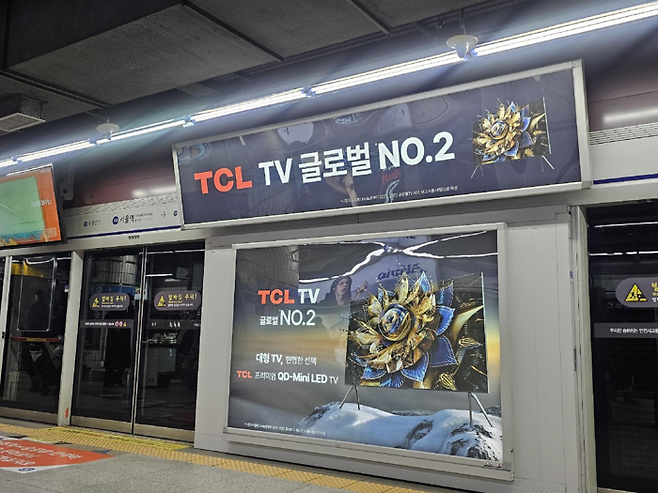
According to sources from the electronics industry on Tuesday, TCL smart TVs automatically collect users’ viewing data through a feature called “Automatic Content Recognition (ACR).” ACR is a technology that tracks which channels or content users watch and for how long and is used for advertising and marketing purposes as well.
The controversy centers on the lack of clear guidance in TCL’s products sold in Korea regarding how users can block or opt out of this feature. Critics point out that the company does not disclose the scope of third parties to whom the information is provided, even though sensitive information such as content consumption history, screen captures, and voice command patterns could be involved.
Under Korea’s current Personal Information Protection Act, when sensitive data is collected or provided to third parties, the purpose of collection, recipients, and retention period must be clearly stated and agreed upon by the user.
Korean electronics companies Samsung Electronics Co. and LG Electronics Inc. make such disclosures a matter of principle in line with domestic standards. Both companies claim that they only collect the minimum necessary personal information per service, such as device and account information, and explicitly name the recipient companies and obtain separate consent when third-party data sharing occurs.
Some consumers also report that Chinese TVs make it difficult to block ads. TCL TVs are made in a way that makes it hard to disable targeted advertising, a feature that delivers personalized ads based on user viewing history. Users cannot manage ad exposure settings from the TV itself and must adjust ad settings via Google’s website instead, which is viewed as being overly complex.
Concerns are also mounting over user rights, as control is held by a third-party platform rather than the manufacturer, while security design reliability is also under scrutiny. TCL allows users to control their TVs via a dedicated mobile app, but it has been reported that anyone connected to the same Wi-Fi network can access the TV without any additional authentication. This raises the risk that unauthorized external users could change settings alongside family members.
In contrast, Samsung and LG TVs require identity verification from both the TV and smartphone when linking devices.
TCL TVs distributed in Korea additionally allow users to manually disable the microphone and camera functions but reportedly do not provide a clear interface to block viewing data sent via ACR. Turning off viewing history means disabling the TV’s ability to store or transmit users’ viewing records externally, but consumers say the setting is unclear or hidden, making it difficult for the average user to identify and control the feature.
TCL is currently the second largest TV manufacturer in the global market by shipment volume and is rapidly gaining market share in Korea with a low-price strategy. However, concerns are growing among consumers over its data handling practices that appear to fall short of Korean standards.
TCL Korea has not issued an official statement in response to an inquiry from Maeil Business Newspaper on the issue to date.
Copyright © 매일경제 & mk.co.kr. 무단 전재, 재배포 및 AI학습 이용 금지
- 재산 2억여원 신고한 김민석 총리 후보자, 병역 면제 받은 이유? - 매일경제
- 오늘의 운세 2025년 6월 11일 水(음력 5월 16일) - 매일경제
- “540만원 부으면 1080만원에 이자까지”…20일까지 신청 ‘이 통장’ 뭐길래 - 매일경제
- “한동훈, 법 공부 좀 다시 하라”…박주민이 남긴 ‘韓 저격글’ 살펴보니 - 매일경제
- “수십명 회식 예약하고 노쇼”...음식 버리기 전 ‘그놈’이 하는 말은? - 매일경제
- “직원 100명 중 60명은 해커입니다”...보안업계 뒤흔든 이 남자, 대통령 표창까지 - 매일경제
- “짐승 다루듯 제압해”...걸그룹 과잉 경호 피해자, 충격 사진 공개 - 매일경제
- [단독] 李대통령 ‘1호 칭찬’ 기재부가 가져갔다고?…무슨 아이디어 냈길래 - 매일경제
- “기둥에 머리를, 정신 없이 맞았다”…버스서 무차별 폭행당했다는 이국주, 왜? - 매일경제
- ‘홍의 한 수’ 제대로 통했다! ‘젊은 피’ 전진우·배준호 펄펄 난 대한민국, 쿠웨이트 최종전