Netflix’s ‘The Devil’s Plan’ sparks backlash as cast bears all the blame
이 글자크기로 변경됩니다.
(예시) 가장 빠른 뉴스가 있고 다양한 정보, 쌍방향 소통이 숨쉬는 다음뉴스를 만나보세요. 다음뉴스는 국내외 주요이슈와 실시간 속보, 문화생활 및 다양한 분야의 뉴스를 입체적으로 전달하고 있습니다.
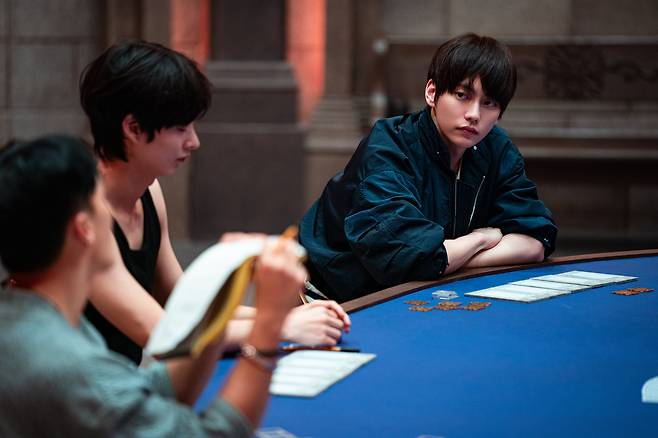
Netflix’s survival game reality show “The Devil’s Plan: Death Room” ended its season under fire, as harsh backlash against the winner sparked broader debate over the show’s format. Fourteen contestants, including legendary Go player Lee Se-dol and professionals from various fields, competed in a weeklong battle of wits for a substantial cash prize.
Among the contestants, the 27-year-old winner Jeong Hyun-gyu became the main target of criticism. In a May 27 interview, he apologized, saying, “I caused harm to the program and viewers,” and announced plans to donate his prize money. The high-stakes game show was designed from the start to push contestants to set aside morality and do whatever it takes to win. While shows that highlight the darker side of human nature through lies and betrayal have become popular, only the cast are facing sharp public backlash, raising concerns.
Most negative comments during the show’s run targeted Jeong and his allies—singer Kyu-hyun and actress Yoon So-hui. Jeong, who gained popularity as a heartthrob on the dating reality show “EXchange 2,” quickly earned labels like “rude” and “coward.” He came under fire after mocking a fellow player who majored in mathematics by saying, “Do you even know how to do basic math?” and seeing all his allies eliminated, which fueled moral outrage.
Kyu-hyun and Yoon also faced personal attacks, accused of “lacking the will to win” and “letting emotions cloud their judgment” by supporting Jeong.

However, some critics argue that contestants are being left to bear the brunt of the criticism alone, while platforms like Netflix have done little to protect them. “The Devil’s Plan” was designed to test how far contestants would go to set aside morality and righteousness in pursuit of victory. A notice at the beginning of the program even states, “Even if your win is stained by ugly lies and betrayal, we will applaud you and reward you with prize money.”
The show’s producer Jeong Jong-yeon told reporters on May 27, “All of the actions took place within the framework I designed, so I hope viewers will be understanding.” While he acknowledged there’s no way to prevent hateful comments, he added, “If any legal issues arise, we’ll offer as much support as possible.”
This is not the first time a show has created a cutthroat environment of betrayal and alliance-building for a large cash prize. Last year, Netflix’s “The Influencer,” another survival-based reality show, drew similar criticism for its manipulative tactics and portrayal of a dark, hyper-competitive social dynamic.
Pop culture critic Kim Hern-sik noted, “These formats that expose the darker sides of human nature originated in the West, but they’re now being replicated in Korea. Without careful adaptation, they could cause greater harm—especially in Korea’s tightly connected and densely networked society.”
While program diversity is important, voices are growing louder that OTT platforms need to be more mindful of their social impact. A broadcast industry insider commented, “TV programs go through multiple layers of internal review before airing. OTT platforms, in comparison, seem to enjoy much more freedom despite their broader reach.”
About The Devil’s Plan: Death Room
Fourteen contestants including lawyers, poker players, doctors, and actors live together for seven days playing various brain games. Lies, alliances, and betrayal are all allowed. The winner receives 380 million won.
Copyright © 조선일보. 무단전재 및 재배포 금지.
- [강헌의 히스토리 인 팝스] [313] 악수 뒤에 숨겨진 진실
- [태평로] SK하이닉스 성과급의 나비효과
- [문태준의 가슴이 따뜻해지는 詩] [121] 여름비
- [기자의 시각] 독립운동 후손이 받은 ‘불법’ 딱지
- [리빙포인트] 쓰레기통 초파리엔 소주
- [오늘의 날씨] 2026년 5월 18일
- [기고] 남산 케이블카, 중복 경쟁보다 안전과 공공성 확보가 우선
- [조용헌 살롱] [1542] ‘용의 뿔(龍角)’을 자를 것인가
- [심찬구의 스포츠 르네상스] 룰의 일관성이 흔들리면 스포츠도 신뢰도 무너진다
- 권투도, 건축도, 삶도… ‘싸우겠다’는 긴장감을 잃는 순간 끝난다