Cultural powerhouse vs. cultural equity: Two leading presidential candidates have different priorities
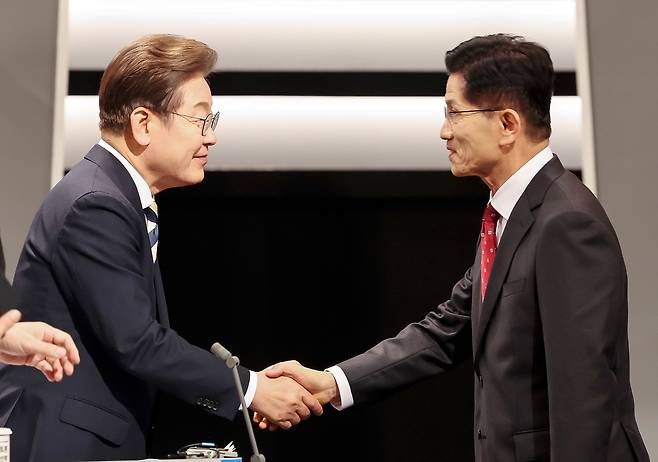
As South Korea now heads down the home stretch in a pivotal election, the early campaign — triggered by the martial law declaration on Dec. 3, 2024 — pushed cultural policy to the sidelines. Cultural and arts-related issues received scant attention in both the first and second televised debates.
With less than a week remaining to the June 3 vote, the official platforms and public remarks of the two leading candidates — Lee Jae-myung of the Democratic Party of Korea and Kim Moon-soo of the People Power Party — reveal their priorities in culture policies.
While the two candidates frame their cultural agendas around different themes — global expansion vs. regional equity — both embed cultural policy within broader economic and social frameworks.
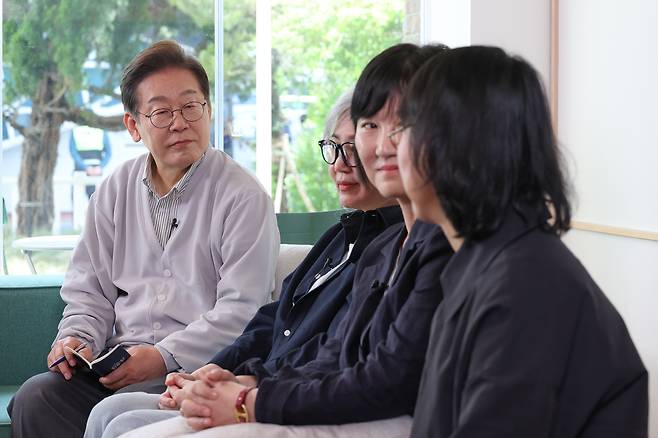
For Lee, cultural policy is closely tied to economic and industrial development. His campaign frames culture as a growth engine, with a bold ambition to position South Korea among the world’s top five cultural powerhouses.
Under his “K-Culture Vision,” Lee proposes scaling up cultural exports to 50 trillion won ($37 billion) and expanding the broader K-culture market to 300 trillion won by 2030. He is campaigning on a platform that emphasizes bolstering globally competitive content industries — such as streaming platforms, webtoons, games and dramas series — while increasing public investment in advanced infrastructure, including high-tech studios and multipurpose creative hubs.
A range of policies fall under this economic-cultural strategy: The introduction of tax credits for K-performance content and production costs, expansion of content policy funds, deregulation of the gaming industry and integrated support for the webtoon and animation sectors. Lee also promises stronger state support for every stage of the creative process and a significant increase in humanities research funding.
Lee’s pledges are distributed across several of his top 10 campaign promises. Under Priority 1, “Building a Globally Leading Economic Power,” he outlines “Advancing K-content to Achieve Cultural Powerhouse Global Top 5.” Priority 7 includes “Strengthening the Rights of Artists Through Protection of Creative Ownership.” Priority 8, focused on social welfare, calls for “Expanding Social Insurance for Artists and Increasing Multifunctional Support Spaces.”
Cultural policy under Lee is coordinated through the K-Cultural Power Committee, chaired by former Culture Minister Yoo Hong-jun, which was established to collect input from experts and stakeholders. The committee has underscored the urgency of increasing the cultural budget, which currently accounts for 1.33 percent of total government expenditures.
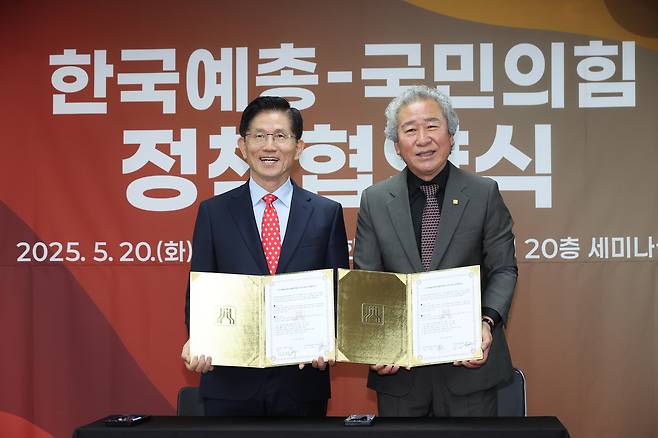
In contrast, Kim Moon-soo’s platform gives culture a much lower profile and closely mirrors the current administration’s approach. His top 10 campaign pledges make no mention of "K-culture" or the arts. However, during a meeting with the Federation of Artistic and Cultural Organizations of Korea on May 20, Kim unveiled a series of cultural policy proposals.
Under the slogan “Making Every Region a Cultural Hub,” Kim's initiatives are focused on cultural equity. His plan centers on the creation of “10-minute culture life zones,” ensuring that everybody can access theaters, community arts centers and lifestyle culture facilities within walking distance.
Kim also proposes decentralizing national cultural institutions by creating regional branches of major museums and art galleries, aiming to redistribute the Seoul-centric concentration of resources. He also pledges to expand touring performance programs, support opportunities for young artists and increase funding for a subsidy program that enhances cultural access for underserved groups.
These proposals closely resemble those of the current administration.
Kim’s approach aligns with the Culture Korea 2035 vision announced by the Ministry of Culture, Sports and Tourism in March, which identified balanced regional cultural development as its top priority and emphasized relocating national arts institutions to provincial areas.
Additionally, there were proposals for more direct forms of support. Under the banner of promoting the globalization of K-content, Kim pledged to elevate South Korea to one of the world’s top three musical theater powerhouses, significantly ease regulations on the gaming industry and support the convergence of the webtoon and animation sectors.
Copyright © 코리아헤럴드. 무단전재 및 재배포 금지.