'Cuisine reflects traditions, culture'
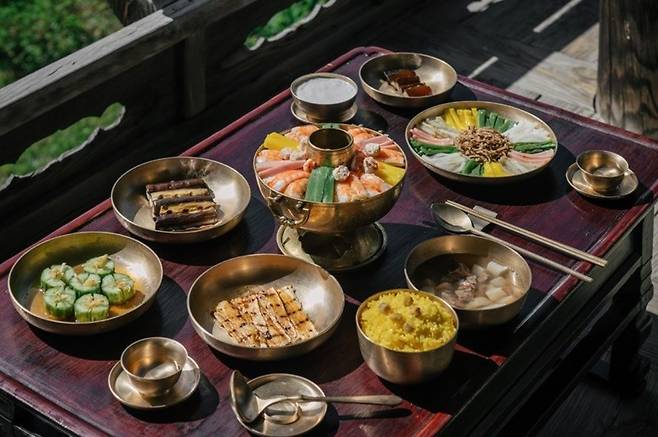
Food is not just a means of nourishment; it can provide insight into different cultures and broaden one's understanding of society through the traditions, values, practices and heritage hidden in each dish.
This idea took center stage during a talk on Thursday on the cultural significance of "jongga." Jonnga food refers to unique practices and specialty dishes passed down through generations through the jongga, or head of a family, who is typically the oldest son of that generation.
The session, organized by The Korea Food Promotion Institute was held on the sidelines of a special exhibition highlighting how the food culture in Andong -- a city in North Gyeongsang Province and a bastion of Confucianism -- has evolved, offering visitors a walk down memory lane through the past and present culinary heritage of a city steeped in tradition and history.
Saying that food can tell stories, Kim Mi-young, head researcher at The Korean Studies Institute, stressed that traditional food should be shared through "meaningful storytelling" to connect with younger Korean generations and people from other cultures.
"Food can be content. I believe it is a way of consuming history and culture. That is why we must pay attention to storytelling, meaning and value," the senior researcher said, underscoring that cultural traditions can be a powerful way to build strong brands.
"For example, people used to only think of high-end Western liquors such as Ballantine's or Royal Salute when it came to alcohol. However, traditional Korean liquor can also be stylish. Gayangju (traditional home-brewed liquor) bottle designs have received an upgrade to stand out on shelves and are starting to attract younger consumers," the senior researcher explained.
Kim said restaurants in Andong have adapted to meet the changes and preferences of the younger generation while still retaining their core identity.
"A restaurant I often go to in Andong serves a meal set consisting of seasoned radish greens, stir-fried seaweed stems, grilled yam, Andong-style salted mackerel and wild mountain greens from the region. This can provide a deeper understanding of the city and its traditions, allowing visitors to explore what Andong people eat and its local specialties. And this could be (considered) content because eating the food can be an experience in understanding the culture better," Kim noted.
"Koreans eat with our mouths, not our eyes, meaning that the taste of food is more important than how it looks. For example, when it comes to 'namul' (seasoned vegetables), we mix them with our hands, creating a deeper taste. By eating these, visitors can better understand the city's culture and experience local traditions," Kim said.
There is a difference between simply eating food and experiencing it as an expression of culture, she continued. Since many foreign national tourists tend to learn about Korean culture and traditions through Korean food, Kim noted that now is the time to "find the value" behind it, especially through food as cultural content.
Referring to a popular tourist destination in central Seoul, Kim said. "Why would tourists head to Insa-dong to visit and eat? It is because they want to explore the culture."
Copyright © 코리아헤럴드. 무단전재 및 재배포 금지.