Unseasonal temperatures spark rise in heat illnesses
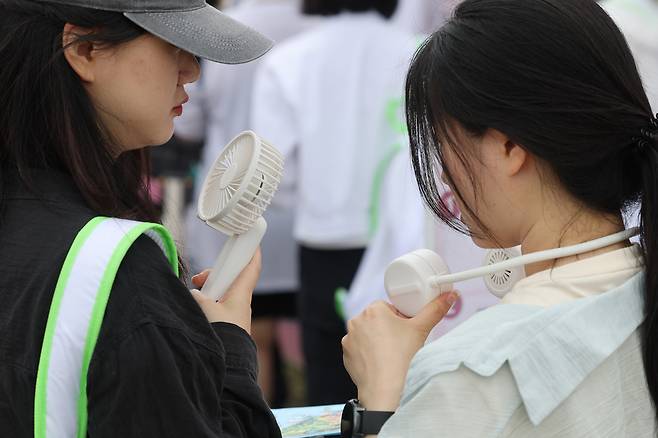
Unseasonal heat in May has led to a surge in heat-related illnesses across South Korea, with 44 patients hospitalized over the past week — a dramatic 22-fold increase compared to the same period last year.
According to data released by the Korea Disease Control and Prevention Agency, 21 people were treated for heat-related illnesses on May 21 alone. The cases were reported by 517 emergency medical facilities participating in the agency’s nationwide heat illness surveillance system.
Since the system began operations on May 15 — five days earlier than in 2024 — the cumulative number of heat-related patients reached 44, up from just two during the same week last year. No deaths have been reported so far.
The spike in illnesses follows a streak of unusually high temperatures that began on May 17, with daytime highs ranging from 24 to over 30 degrees Celsius in some regions. On May 21, many parts of the country also recorded the hottest May morning on record.
The highest number of patients on May 21 came from Gyeonggi Province with seven cases, followed by Daegu and Incheon with three each, and Seoul, Gangwon Province, North Jeolla Province and North Gyeongsang Province each with two.
Men accounted for 34 of the 44 patients. The most affected age groups were people in their 40s and 60s, each with nine, followed by those in their 30s (seven), 50s (six) and 20s (four). Patients aged 65 or older were a quarter of the cases.
Most incidents occurred outdoors, with 16 patients collapsing on sidewalks, followed by nine at outdoor workplaces and six in mountainous areas. The most common times for heat-related incidents were between 10 to 11 a.m. and 3 to 4 p.m.
The KDCA warned that with continued high temperatures forecast through June and even hotter weather expected in July and August, precautions should be taken seriously.
Authorities advise checking daily temperatures before going outside, avoiding outdoor activities during peak heat hours, staying hydrated, wearing sun protection and taking frequent breaks.
Vulnerable groups such as children, the elderly and people with chronic illnesses are particularly at risk and should not be left alone in enclosed spaces, especially with windows shut, the agency cautioned.
Copyright © 코리아헤럴드. 무단전재 및 재배포 금지.