Naver’s internal shakeup spurs backlash as founder returns
이 글자크기로 변경됩니다.
(예시) 가장 빠른 뉴스가 있고 다양한 정보, 쌍방향 소통이 숨쉬는 다음뉴스를 만나보세요. 다음뉴스는 국내외 주요이슈와 실시간 속보, 문화생활 및 다양한 분야의 뉴스를 입체적으로 전달하고 있습니다.
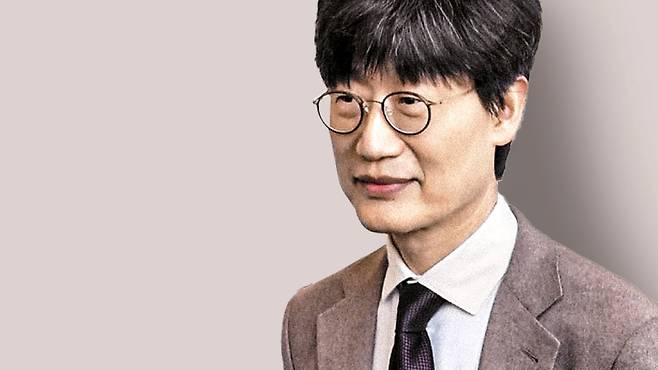
After stepping back into management for the first time in seven years as board chair in March, Naver founder Lee Hae-jin is driving sweeping changes at the company, including an organizational overhaul and a new personnel system.
Lee is shifting the company’s HR structure to focus more on performance and is establishing several technology and investment-related divisions.
Although the South Korean internet giant has posted record earnings in recent years, it has struggled to produce meaningful results in emerging fields such as artificial intelligence and content. As a result, its stock price has declined.
Lee’s efforts to “turn crisis into opportunity,” as he put it, have stirred backlash within the company.
In particular, his decision to bring back one of his closest aides—who had previously stepped down over a workplace bullying incident that led to an employee’s suicide—has triggered criticism from employees. One tech industry source said some workers appear to view Lee’s return as a “crackdown” or a regression to the past.
The first major move under Lee’s return was a corporate restructuring. In February, Naver unveiled plans to roll out a new personnel evaluation system called the “level system.”
Under this framework, all employees will be graded on a seven-level scale based on job performance and expertise, regardless of their years of service.
The levels will be tied to compensation. The change marks a departure from Naver’s current flat organizational structure, where everyone except executives is classified as “team members.”
The new system aims to foster internal competition and build a performance-driven culture. Naver plans to pilot the system this year and fully implement it by Mar. 2026.
Founded in 1997 as an in-house venture at Samsung SDS, Naver has grown into one of S. Korea’s leading platform companies.
Over time, however, it developed a stable corporate culture—so much so that the nickname “Nemoowon,” a mashup of “Naver” and “public servant,” became common among employees.
During an internal talk in 2012, Lee said he was “shocked and disheartened” to read a post on the company’s message board from a worker who claimed they had moved from Samsung to Naver for an easier life.
According to an industry insider, “Naver is the only major S. Korean IT firm that still allows full remote work. In some departments, people only see each other face-to-face once every six months.”
Lee is also forming new divisions to push forward his vision for innovation. One such unit is the “Tech Business” division, which will explore global tech ventures in countries like India and Spain. Lee has tapped Choi In-hyuk, a former chief operating officer and longtime confidant, to lead the unit
A developer by training, Choi worked with Lee during their time at Samsung SDS and is considered one of the company’s founding members. By bringing back someone with deep knowledge of both Naver and technology, Lee appears to be aiming for a shift away from the company’s current business-centric approach. Some observers say Choi may serve as a de facto chief technology officer.
Naver has its own large language model, HyperCLOVA X, but has so far struggled to compete with global tech giants. In a bid to secure access to cutting-edge technologies, the company plans to establish a new investment arm, Naver Ventures, next month, which will focus on U.S. startups.
Despite these efforts, Lee’s transformation drive is facing internal resistance. The level system, scheduled for rollout next year, had previously been scrapped in 2020 due to strong pushback from employees.
Critics at the time warned that the new system would give too much power to managers in charge of evaluations and could intensify short-term performance pressure at the expense of innovation and collaboration.
Copyright © 조선일보. 무단전재 및 재배포 금지.
- B-2, 이제 中해군 방공망 속 들어가 ‘스텔스’ 대함(對艦) 미사일 쏜다
- “AI ·바이오 등 신성장 동력… 압도적 경제도시 도약”, 박찬대 인천시장 취임
- 떨어진 음식 주워먹어도 될까… 만국 공통 ‘3초 룰’ 검증해보니
- 다른 앱마켓보다 구글 플레이에 유리한 조건으로 게임 출시해 달라... 공정위, 최혜대우 요구한
- 월드컵서 브라질이 일본 꺾자… 1만㎞ 떨어진 베이루트서 축하 퍼레이드
- 성적 떨어지는 건 범죄 ‘위기 신호’였다…청소년 430만명 추적 조사 결과
- 한국서 벌어 해외로... 루이비통·에르메스·샤넬, 3년간 1.5조 본사로 보내
- 한성숙 “빠르게 움직이는 정부 만들겠다”
- 1초라도 더 빨리… 美연방대법원 앞, 인턴들이 죽어라 달린 사연
- ‘탱크데이’ 후폭풍 9개월 전 화장품 광고까지 번졌다...‘6·25 희화화’ 논란