MMCA Seoul unveils its first permanent collection exhibition
이 글자크기로 변경됩니다.
(예시) 가장 빠른 뉴스가 있고 다양한 정보, 쌍방향 소통이 숨쉬는 다음뉴스를 만나보세요. 다음뉴스는 국내외 주요이슈와 실시간 속보, 문화생활 및 다양한 분야의 뉴스를 입체적으로 전달하고 있습니다.
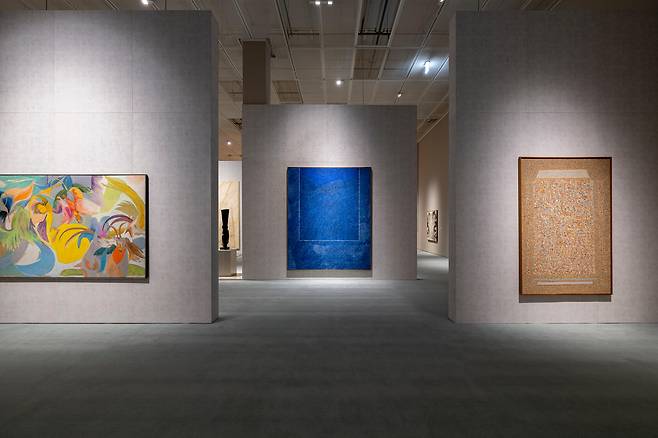
The National Museum of Modern and Contemporary Art, Seoul, is drawing a surge of visitors in their 20s and 30s with its inaugural permanent exhibition. Titled “Highlights of Korean Contemporary Art,” the exhibition marks a significant milestone in the museum’s development, showcasing its evolution into a fully-fledged art institution. The show features 86 significant works spanning the 1960s to the 2010s, drawn from the museum’s permanent collection. A total of 83 artists are represented, including Kim Soo-ja, Kim Whan-ki, Moon Kyung-won & Jeon Joon-ho, Park Seo-bo, Park Yi-sou, Suh Do-ho, Sung Neung-kyung, Shin Hak-chul, Yang Hae-gue, Yoo Young-kuk, Lee Bul, Lee Seung-taek, and Lee Ufan.
Organized into six thematic sections—abstraction, experimentation, figuration, hybridity, conceptualism, and documentary—the exhibition opens with Kim Whan-ki’s “Echo of Mountain 19-II-73#307” (1973), a pointillist piece that immediately commands attention. Flanking the work are Choi Wook-kyung’s “Unfinished Story” (1977) and Lee Seong-ja’s “Ancient Song of a Millennium” (1961).
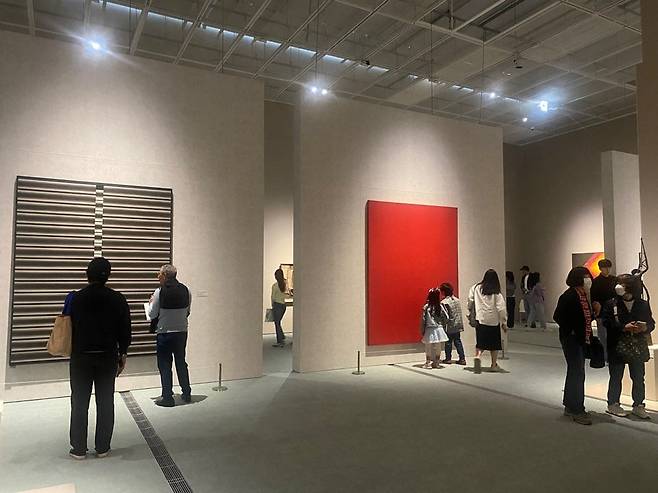
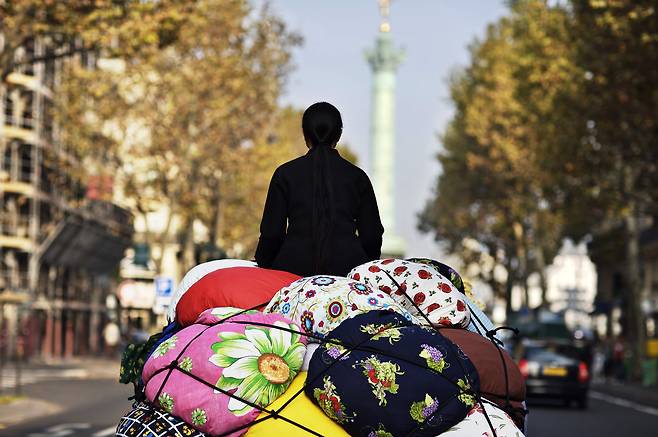
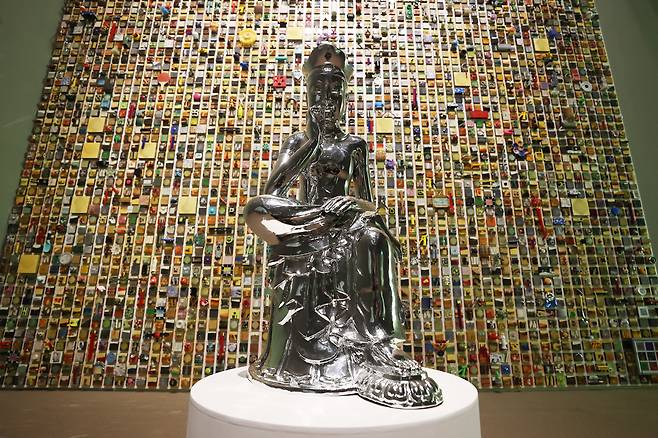
Among the most visited sections is “Space of Hybridity: Pluralism and Globalization,” which examines developments in Korean contemporary art since the 1990s. Works by Nam June Paik, Kang Ik-joong, Kim Soo-ja, and Suh Do-ho are presented in a dialogic layout of installations and video pieces. Notable works include Paik’s “Junk Wall” (1995), originally shown at his solo exhibition at the Kunstmuseum Wolfsburg in Germany, and Kim Soo-ja’s “Bottari Truck – Migrateurs” (2007). Both are on public view for the first time since entering the museum’s collection. Another centerpiece is Kang Ik-joong’s “Samramansang” (1984–2014), an expansive composition of more than 8,500 miniature paintings, each 3 inches square, spanning a 13-meter wall.
On the opening day, May 1, a 31-year-old visitor surnamed Seo said, “I initially came for the Ron Mueck exhibition, but the title ‘Highlights of Korean Contemporary Art’ caught my eye. I was amazed by the breadth of genres and the spectacle of the show. I had only been familiar with artists like Kim Whan-ki and Lee Ufan, but this gave me a broader view of more recent trends. I definitely plan to return.”
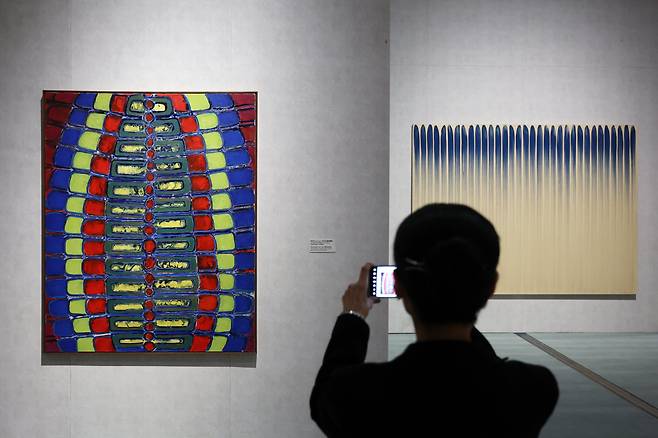
The exhibition also drew a significant number of international visitors, many of whom were observed viewing the works with focused attention—an indication of the rising global interest in Korean contemporary art. Bae Myung-ji, the exhibition curator, said, “With this being our first permanent exhibition, we structured it to convey the passage of time in Korean contemporary art. We also considered how audiences from different generations and backgrounds could engage with the overarching context.”
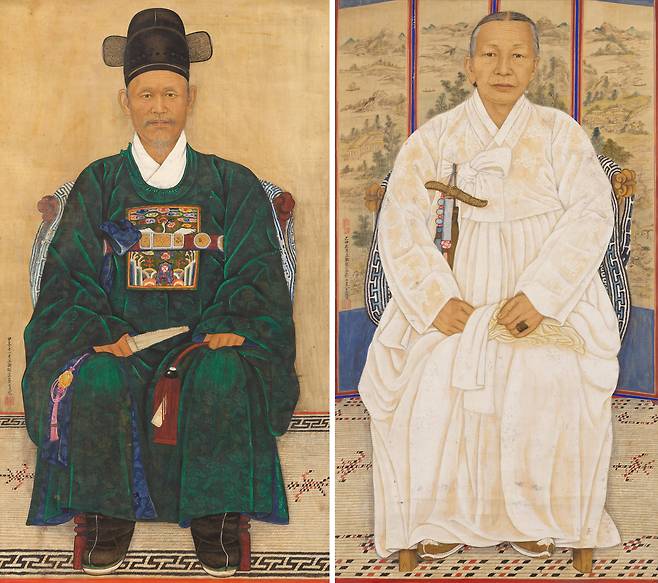
A corresponding permanent exhibition opened at the museum’s Gwacheon branch. Titled “Korean Modern and Contemporary Art,” it offers a comprehensive overview of Korea’s 20th-century art history, from the Korean Empire to the Korean War. Divided into two parts, the first section opened on May 1, featuring 145 works by 70 artists, including Chae Yong-shin, Koo Bon-woong, Lim Gun-hong, Oh Ji-ho, Park Rae-hyun, Kim Ki-chang, Lee Ung-no, and Lee Jung-seop. The display includes oil paintings by first-generation Western-style painters such as Kim Eun-ho, Na Hye-sok, Do Sang-bong, and Lee Jong-woo, alongside depictions of the Korean War’s devastation. Part two will open on June 26.
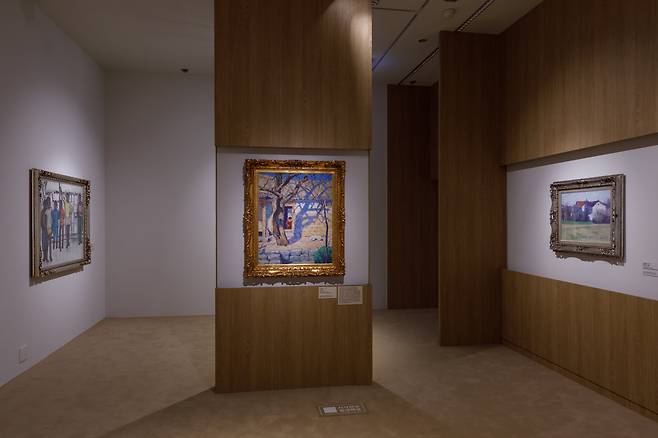
The museum’s expanded capacity to mount large-scale permanent collection exhibitions is largely attributed to the donation of the Lee Kun-hee Collection. Kim In-hye, head curator at the National Museum of Modern and Contemporary Art, noted, “To host a permanent exhibition, you need a strong collection with enough works for rotation. That was something we previously lacked. We’ve since made significant strides, and the Lee Kun-hee donation was instrumental in making that possible.”
Museum director Kim Sung-hee added, “A museum’s collection is its foundation, and its permanent exhibition is its public face. This show is especially meaningful because we are now able to present 100 years of modern and contemporary Korean art—and its growing recognition in the global art world—entirely through our own holdings.”
Copyright © 조선일보. 무단전재 및 재배포 금지.
- 월드컵 결승전서 ‘BTS 쇼타임’
- “삼성전자 파업 땐 긴급 조정 불가피”
- 정부 “나무호 공격 주체, 이란 아닐 가능성 낮아”
- 베이징 담판 첫날, 빅딜은 없었다
- [바로잡습니다] 5월 8일 자 A16면 “화려한 기교에 묻힌 서정성… 리스트의 곡, 사실 맑고 투명하
- 오늘은 중난하이서 차담·오찬… 中 권력 심장부로 트럼프 부른다
- KF-21 양산 2호기와 다목적무인기 공개
- 젠슨 황·머스크·팀 쿡 만난 시진핑 “중국 문 더 활짝 열 것”
- 임원에 대놓고 회사 욕… 사내 메신저엔 ‘파업’ 닉네임 3만명 육박
- “인천을 대장동처럼” 박찬대 발언에 공방