Data breach triggers shift to eSIMs, boosting device innovation
전체 맥락을 이해하기 위해서는 본문 보기를 권장합니다.
"The physical presence of a USIM card slot poses a significant limitation in designing slimmer devices," an industry source who requested anonymity said. "Eliminating the space could also lead to using less battery."
Another anonymous source said, "eSIMs help extend battery life and enable slimmer designs. Though the difference in battery life may not always be noticeable to users, the design benefits are significant."
이 글자크기로 변경됩니다.
(예시) 가장 빠른 뉴스가 있고 다양한 정보, 쌍방향 소통이 숨쉬는 다음뉴스를 만나보세요. 다음뉴스는 국내외 주요이슈와 실시간 속보, 문화생활 및 다양한 분야의 뉴스를 입체적으로 전달하고 있습니다.
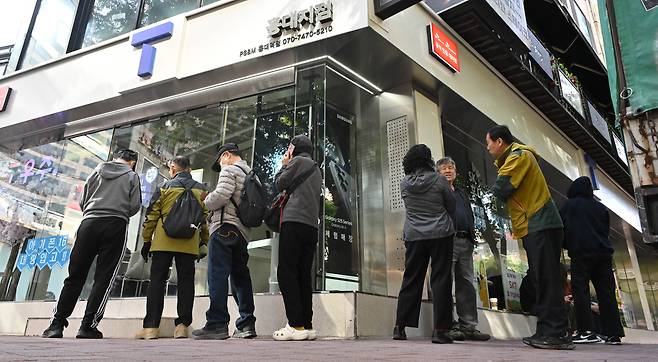
Following the large-scale hacking incident involving SK Telecom’s USIM data, concerns over user information security have fueled a sharp uptick in embedded SIM -- eSIM -- adoption. The shift is providing a welcome boost to smartphone makers such as Samsung Electronics and Apple.
According to industry sources on Monday, the number of SK Telecom users switching from USIM cards to eSIMs has surged nearly 40 times since the hacking scandal came to light on April 22.
Although the mobile carrier announced three days after that it would offer free USIM card replacements for concerned customers, demand quickly outpaced supply -- encouraging many to look to eSIMs as an alternative.
As of Sunday, the cumulative number of SK Telecom customers who have replaced their USIM cards has reached 1.47 million, or only 5.9 percent of the telecom carrier’s subscriber base so far, it said.
Unlike removable USIM cards, eSIMs are embedded directly into a smartphone's hardware. They are activated remotely and digitally, offering a more streamlined user experience and aligning with consumer preferences for lighter and slimmer handsets.
While eSIMs offer clear advantages in terms of convenience and device design, they are not without limitations. Embedded in an eUICC chip within the device, they cannot be easily switched out if a phone is damaged or replaced. Additionally, certain authentication procedures using the carrier’s network are more cumbersome.
The UK-based nonprofit organization Global System for Mobile Communications Association recognizes eSIM as an international standard and adoption has been widespread in markets like the US since 2022. In Korea, however, usage had been largely limited to newer models -- Apple’s iPhone XS and above, and Samsung’s Galaxy S23 and above -- resulting in a barrier to mass adoption.
Some market watchers suggest Korean telecom carriers have been reluctant to actively promote eSIM technology due to existing business models being centered on USIM card sales and the opportunity to upsell in-store services during physical USIM card replacements.
However, SK Telecom's recent data breach has shifted sentiment.
Smartphone manufacturers are eyeing the growing acceptance of eSIMs as a potential turning point. With consumers increasingly favoring thinner, more power-efficient devices, removing physical USIM slots may offer opportunities for a competitive edge.
"The physical presence of a USIM card slot poses a significant limitation in designing slimmer devices," an industry source who requested anonymity said. "Eliminating the space could also lead to using less battery."
Another anonymous source said, “eSIMs help extend battery life and enable slimmer designs. Though the difference in battery life may not always be noticeable to users, the design benefits are significant.”
Copyright © 코리아헤럴드. 무단전재 및 재배포 금지.