Two Korean stories carved in soil and silence live on in UNESCO’s archive
In April at the UNESCO headquarters in Paris, two stories from Korea -- one rooted in trees, the other in truth -- were officially recorded into the world’s memory.
At the 221st session of the UNESCO Executive Board, now being held in Paris from April 2 to 17, two Korean archival collections were added to the Memory of the World Register: the Korea Reforestation Archives and the Revealing Truth: Jeju 4.3 Archives. The final decision was made Thursday, elevating the number of Korean entries on the international register to 20, according to the Korea Heritage Service, the agency responsible for preserving and promoting Korea’s cultural heritage.
Founded in 1992, the UNESCO Memory of the World Register aims to preserve and provide access to the world’s documentary heritage of global significance. To be listed, an item or collection must be recognized as an important record of humanity with demonstrated global impact, either directly or indirectly, according to UNESCO.
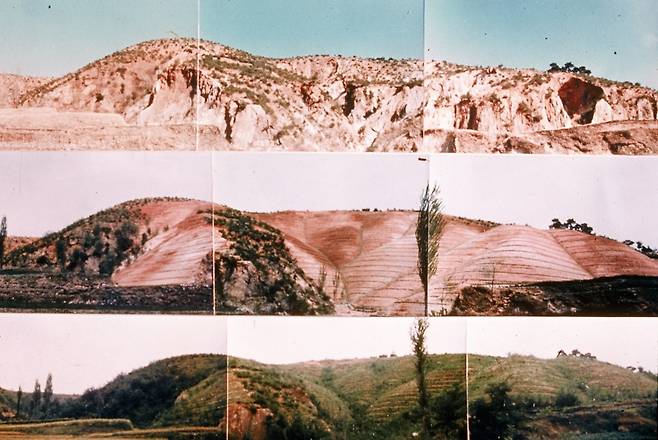
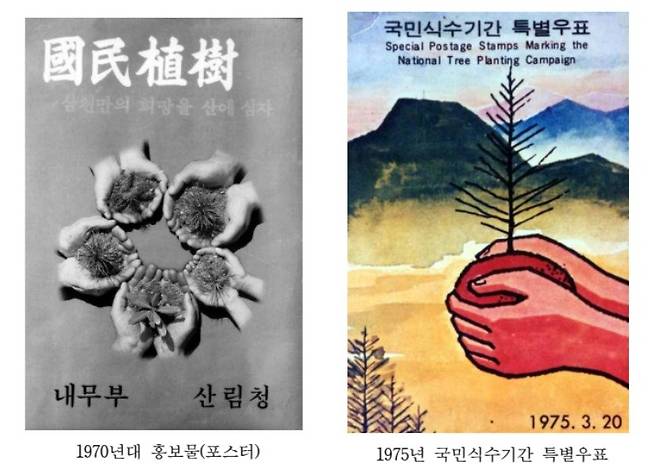
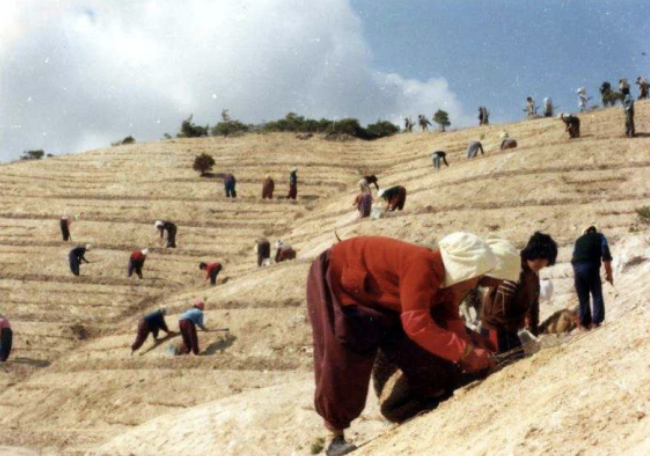
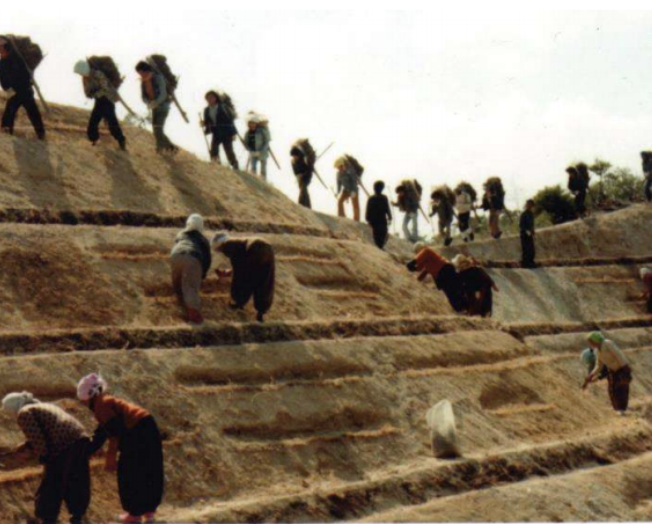
The Korea Reforestation Archives document South Korea’s large-scale reforestation efforts in the aftermath of the 1950-53 Korean War -- an initiative driven by coordinated public-private governance. The archives record the transformation of denuded land into green landscapes, offering a rare, evidence-based model for other nations tackling climate change, land degradation and desertification. The success of the program is now held up as a replicable case for sustainable environmental recovery through civic collaboration.
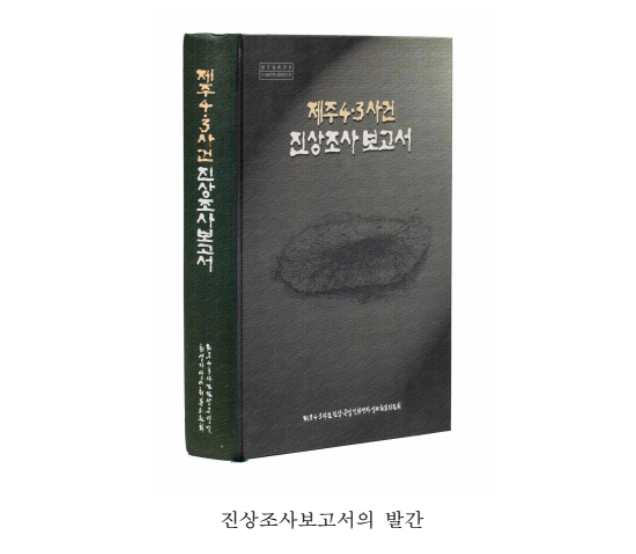
The Jeju 4.3 Archives chronicle one of the darkest chapters in Korea’s modern history: the mass killing of civilians on Jeju Island between 1947 and 1954, often overlooked or silenced in public discourse. The collection brings together the testimonies of survivors and victims’ families, along with records from the truth-finding and reconciliation process that followed decades later. UNESCO's recognition affirms the global relevance of these archives in advancing human rights, transitional justice and the possibility of social healing through remembrance and dialogue, KHS stated in a press conference on Friday.
Both submissions were spearheaded by the Korea Heritage Service, following a public call for nominations from Jan. 17 to Feb. 28, 2023. After consulting with experts, the two dossiers were submitted to UNESCO in November 2023.
Korea's growing portfolio of Memory of the World entries now spans a broad range of documentary heritage, from royal records and Buddhist texts to modern-day movements for democracy and social justice. Other notable entries include 15th-century manuscript Hunminjeongeum (1997), Annals of the Joseon Dynasty (1997), Uigwe, the Royal Protocols of the Joseon Dynasty (2007), Human Rights Documentary Heritage 1980 Archives for the May 18th Democratic Uprising in Gwangju (2011) and, most recently, the Archives of the April 19 Revolution and Donghak Peasant Revolution (both 2023).
The Korea Heritage Service has stated it will continue identifying and promoting records of international significance, with plans to expand Korea’s presence in the UNESCO Memory of the World Register in the years ahead.
Copyright © 코리아헤럴드. 무단전재 및 재배포 금지.