Journalism meets art to show humanity at ‘Walking Korea: Cut Pieces’
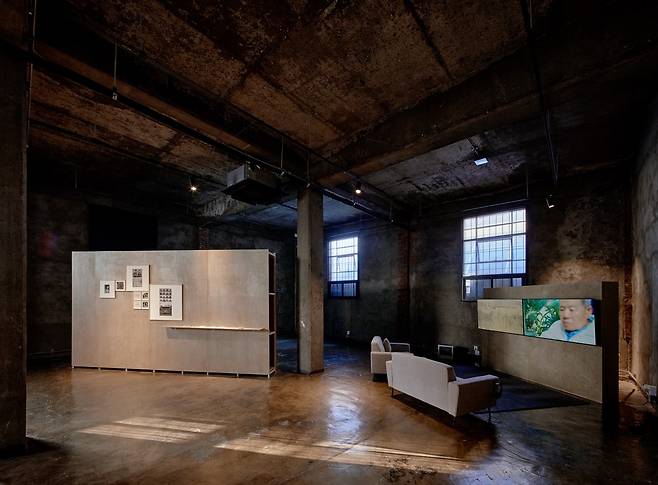
Rarely would one consider the connection between long-distance walkers and artists, yet the exhibition “Walking Korea: Cut Pieces” explores this intriguing intersection through visual language, merging journalism and art to tell a deeper story.
Pulitzer Prize-winning American journalist and National Geographic Fellow Paul Salopek, who trekked approximately 650 kilometers across South Korea this summer, spearheaded the exhibition.
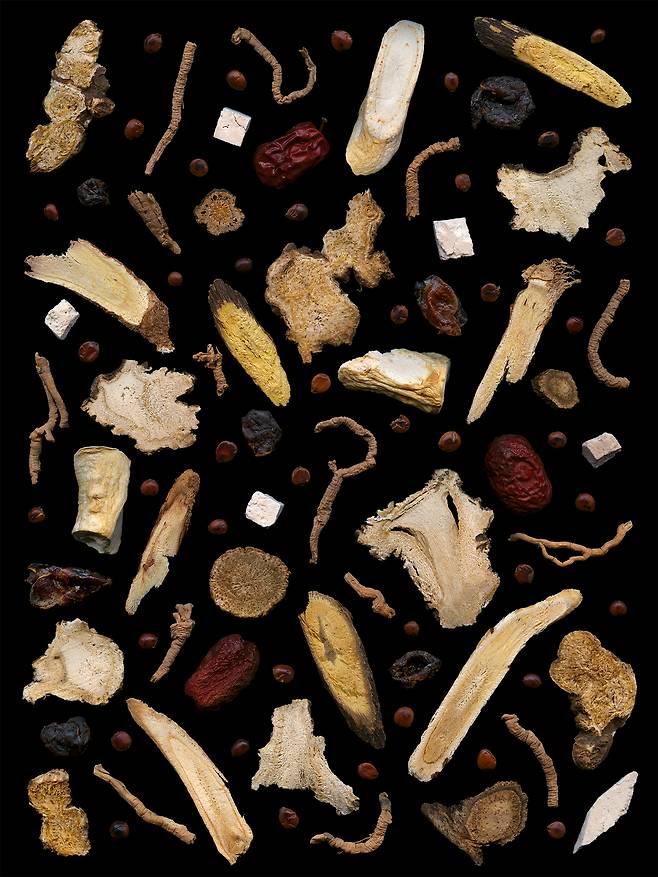
The show brings together six artists -- Kim Ok-sun, Kim Young-rae, Son Hyun-seon, Alexander Ugay, Jun Jin-kyoung and Cha Ji-yang -- at WilloW, a multicultural space in Seoul.
“Walkers and artists require the same sharp tools -- careful watching and listening,” said Salopek. “And then, there is that wonderful if obscure phrase in English: to ‘cut for sign,’ meaning to inspect the surface of the land with deep attentiveness, hoping to see the human footprints, animal tracks and marks of wind and water that may guide us on our quest.”
The exhibition is part of Salopek’s ongoing “Out of Eden Walk” project that has spanned more than 11 years. Aimed at documenting the migratory history of humanity through the practice of “slow journalism,” Salopek’s 38,000-kilometer journey began in Ethiopia in 2013 and is expected to conclude at the tip of South America within the next two to three years.
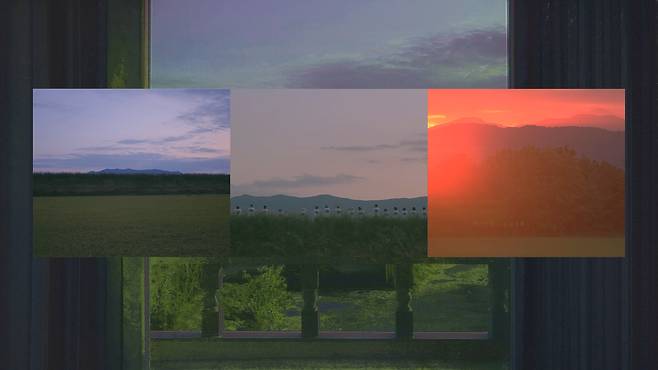
One of the featured works is Kim Ok-sun’s newly created multichannel video Interview. The piece explores the stories of three women born in the 1930s and 1940s, delving into cycles of trauma and recovery during pivotal moments in Korean history, including Japanese colonization and the Korean War.
The exhibition was curated by independent curator Leam Soo-young in collaboration with Salopek. It runs through Jan. 5, 2025, at WilloW, which is closed on Mondays and public holidays.
On the sidelines of the exhibition, a community workshop for aspiring documentary photographers will be held at WilloW on Dec. 28, led by artist and National Geographic Explorer Kim Young-rae.
Copyright © 코리아헤럴드. 무단전재 및 재배포 금지.
- National Assembly’s impeachment committee readies for 1st hearing next week
- Arrest warrant requested for military intelligence commander
- SK hynix secures $458m subsidy for US advanced chip packaging facility
- Hyundai Motor Group donates W35b to help people in need
- After Disney+ adaptation, 'Light Shop' webtoon sees explosive popularity