Chinese cosmetics rise in global market on budget appeal
이 글자크기로 변경됩니다.
(예시) 가장 빠른 뉴스가 있고 다양한 정보, 쌍방향 소통이 숨쉬는 다음뉴스를 만나보세요. 다음뉴스는 국내외 주요이슈와 실시간 속보, 문화생활 및 다양한 분야의 뉴스를 입체적으로 전달하고 있습니다.
Chinese cosmetics brands, known as “C-beauty,” are rapidly making inroads in the global beauty market, raising concerns among South Korean industry leaders. China was South Korea’s largest cosmetics market last year, with exports surpassing 3 trillion won ($2.3 billion). However, C-beauty brands are leveraging lower prices, stylish packaging, and outsourced manufacturing through K-beauty production bases. This approach is helping Chinese brands gain traction in South Korea, the United States, Japan, and Europe—regions once considered major growth areas for K-beauty. In 2023, Chinese cosmetics exports jumped nearly 33% year-over-year to $3.7 billion, highlighting their aggressive expansion abroad.
Chinese brands have found a foothold among South Korea’s younger consumers in their teens and twenties, who are increasingly adopting “frugal consumption” habits. With the expanding presence of Chinese e-commerce platforms like AliExpress and Temu, imports of Chinese cosmetics through cross-border shopping have been climbing by 60-70% each year.
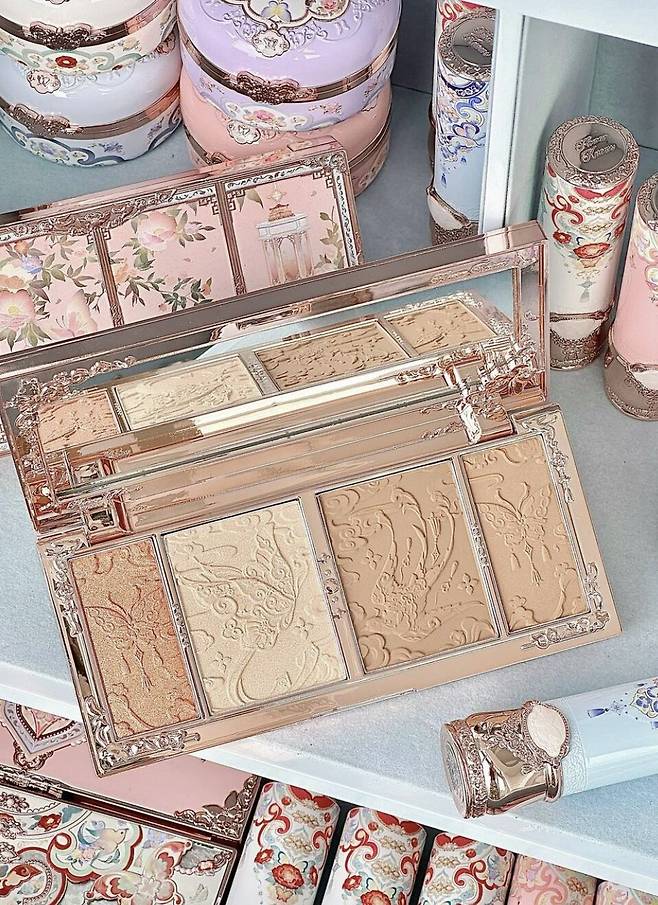
Touting “affordable prices and eye-catching design,” Chinese brands are establishing themselves in the global beauty scene. Flower Knows, a well-known C-beauty brand, is often likened to South Korea’s Etude House for its whimsical, princess-themed packaging adorned with floral embossing and gold trim. INTO YOU, another C-beauty brand specializing in lip products, has swiftly expanded into South Korea, Japan, and the U.S.
Chinese cosmetics, often priced below $6 on platforms like AliExpress and Temu, are gaining popularity as affordable alternatives to local brands, which can cost over $22 for similar products in South Korea. “It would cost more than three times the current expense to add the ornate designs seen on Chinese products to local brands,” said a South Korean industry insider, noting the challenge of competing on price while maintaining elaborate packaging.
Cross-border shopping for Chinese cosmetics in South Korea has increased by 60-70% annually. According to Statistics Korea, direct purchases of Chinese cosmetics reached about $122 million in the first three quarters of this year, up 60.7% from a year earlier. Though the volume is not yet significant enough to threaten K-beauty, observers note C-beauty’s rapid growth warrants close monitoring.
Chinese cosmetics are especially popular among consumers in their teens and twenties, influenced by the “frugal consumption” trend fueled by rising living costs. Cumulative cosmetics sales at South Korean budget retailer Daiso in the first three quarters of this year increased around 160% over the previous year. As demand for affordable cosmetics rises, consumers are turning to reasonably priced Chinese products.
This trend grew stronger during China’s Singles’ Day shopping season, with social media platforms like Instagram and TikTok fueling interest in C-beauty. The curiosity factor has also contributed to growing demand.
Notably, some Chinese brands rely on South Korean ODM (original design manufacturer) companies for production, boosting their credibility. COSMAX manufactures skincare, cushion, and sun care products in its factories in Shanghai and Guangzhou for Chinese clients. Kolmar Korea produces lipsticks at its Wuxi factory for INTO YOU, Perfect Diary, and Florasis, while C&C International, with two factories in Shanghai, posted a record $13 million in revenue last year from lip tint sales primarily on AliExpress, Temu, and Taobao.
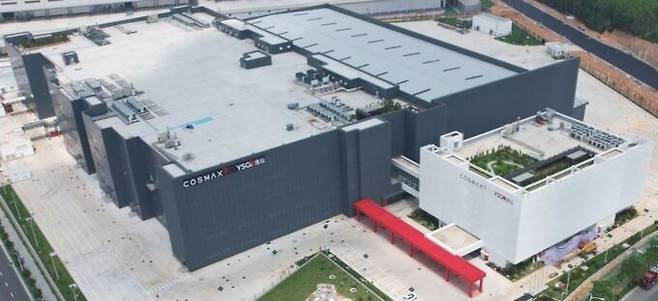
Chinese cosmetics are also expanding in developed markets like the U.S., Japan, and Europe. A recent Korea Trade-Investment Promotion Agency (KOTRA) report shows that Chinese brands have significantly increased research and development investments to aggressively target overseas markets. Last year, Chinese cosmetics exports to the U.S., the U.K., and other countries exceeded $3.7 billion, marking a decade high. Chinese color cosmetics brands continue expanding their presence abroad, with pop-up stores such as one held in Shinjuku, Japan, last year.
Despite their growth, Chinese brands have yet to achieve high repeat purchase rates, and industry experts currently do not see them as a major threat to K-beauty. “While Chinese cosmetics have yet to establish high repeat purchases, their packaging quality and powder formulations are impressive, and they could become a long-term challenge,” an industry source said.
Copyright © 조선일보. 무단전재 및 재배포 금지.
- “주당 8000원?”… 420만 삼성전자 주주, 연말 배당 잭팟 터질까
- 트럼프·金총리 20분 면담 주선… 한국에 관심 많은 美대통령의 ‘영적 멘토’
- 호르무즈 해협, 군함 들어가면 ‘격멸 구역’…美도 아직 투입 못 해
- 무차별 공격에 하마스도 돌아섰다…“이란, 주변국 공격 자제해야”
- 北 어제 방사포 발사…김정은 “420㎞ 사정권내 적들에 불안 줄 것”
- 이탈리아, 푸에르토리코 8대6 따돌리고 20년 만에 첫 WBC 준결승 진출
- 작전명 ‘사막의 빛’… 사우디서 軍수송기 타고 한국인 204명 대피
- ‘목숨 걸고 도박’…일부 선박들 추적기 끄고 호르무즈 야밤 통과
- ‘판도라의 상자’ 열리나…美 공격받은 이란의 ‘보석’ 하르그섬
- 90년 노하우로 우려낸 잼배옥 도가니탕, 15일 멤버십 15% 할인 [조멤Pick]