Colosseum goes global with its first overseas logistics center in US
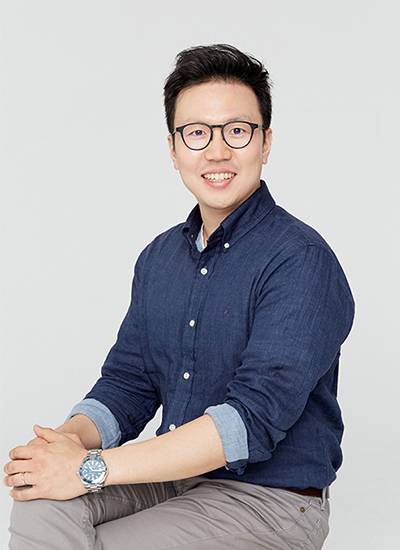
“We will cooperate with Korean listed cosmetics packaging company CTK in the United States in the same way as we do in Korea,” Colosseum’s CEO and founder Park Jinsu told Maeil Business Newspaper in a recent interview.
Colosseum established in June 2019 is a fulfillment startup that redesigns a workflow for warehouses and distribution centers to improve efficiency by using big data and artificial intelligence technology. A fulfillment center, a combination of storage facilities and a logistics center, offers all logistics processes needed to get a product from the seller to the customer. Amazon was the first to introduce the concept.
Colosseum does not possess its own warehouses. Instead, it shares some 30 warehouses and facilities in partnership. The warehouse provides space and manpower, while Colosseum provides software and cargo volume to create synergy. This means initial investment and fixed costs are not high for Colosseum’s business model.
Unlike existing warehouses that rely on operators’ personal experiences or work routines, Colosseum collects data, such as the movement of operators, through its own AI and deep learning system and applies the data to warehousing work to increase efficiency, Park explained.
Colosseum targets companies that do not have their own distribution centers. It has various warehouses to cover a variety of small-volume products that require specific storage conditions.
Colosseum has turned its attention to the global market as online sales by Korean companies or individuals to overseas markets are doubling every year.
Instead of establishing a local entity in the U.S., it will make an inroad into the market through partnership with local logistics companies, Park said. “All we have to do is make a global version of our solution and arrange an overseas channel. Then, you can sell Korean goods or foods to Japan, China and Southeast Asia.”
The concept has been selling well as the company handles 100,000 merchandises on average a month.
“Our business model enables faster profit than average. We anticipate our first monthly surplus in the first half of next year,” said Park, adding that the company will continue to expand in overseas markets beyond the U.S.
“We are confident that we will create a fulfillment logistics center that global sellers can use more comfortably.”
[ㄏ Maeil Business Newspaper & mk.co.kr, All rights reserved]
Copyright © 매일경제 & mk.co.kr. 무단 전재, 재배포 및 AI학습 이용 금지
- Margin trading up in Kosdaq despite market rout, fueling massive margin call fear - Pulse by Maeil Business News Korea
- Koreans’ purchasing power weakens on tumbling Korean currency value - Pulse by Maeil Business News Korea
- Korean Inc. hold off or streamline capex amid strong USD, interest rates, inflation - Pulse by Maeil Business News Korea
- Korea’s homegrown cloud service Megazone Cloud draws $343 mn in Series C - Pulse by Maeil Business News Korea
- Seoul proposes to triple sovereign debt issue in USD to up intervention ammunition - Pulse by Maeil Business News Korea
- 강경준, 상간남 피소…사랑꾼 이미지 타격 [MK픽] - 스타투데이
- AI가 실시간으로 가격도 바꾼다…아마존·우버 성공 뒤엔 ‘다이내믹 프라이싱’- 매경ECONOMY
- 서예지, 12월 29일 데뷔 11년 만에 첫 단독 팬미팅 개최 [공식] - MK스포츠
- 이찬원, 이태원 참사에 "노래 못해요" 했다가 봉변 당했다 - 스타투데이
- 양희은·양희경 자매, 오늘(4일) 모친상 - 스타투데이