Korea 'miles away' from herd immunity
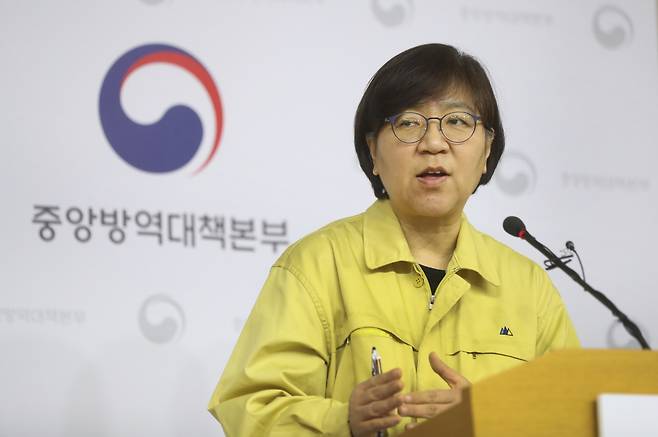
South Korean public health authorities on Monday released the results of the random testing of 1,440 people, which found that just one had tested positive for antibodies to the novel coronavirus.
The second round of antibody tests by the Korea Disease Control and Prevention Agency took place between June 10 and Aug. 13. Among those surveyed, 16.6 percent were residents of Seoul, 29.4 percent were in Gyeonggi Province, 10.1 percent were in Daegu, 7.2 percent were in Daejeon and 3.6 percent were in Sejong.
This would translate to an antibody prevalence rate of 0.07 percent, which is approximately twice the incidence rates of the disease at the time the tests were conducted. As of Aug. 12, 14,714 or around 0.03 percent of the population, were confirmed with COVID-19.
But the sample size of 1,440 people is not big enough to derive meaningful findings, according to experts.
Laboratory medicine specialist Dr. Sung Heung-sup of Seoul’s Asan Medical Center said, “The sample size is too small to help us grasp the infection rate in a given community. We need larger-scale data.” For the survey to carry significance, at least 10,000 to 15,000 people would need to be included.
Infectious disease expert Dr. Kim Tark of Soonchunhyang University Hospital in Bucheon, Gyeonggi Province, said as the tests were from before the coronavirus had begun to spread more widely in the capital, the results would not reflect the resurgence that began in mid-August.
“Regions that suffered bigger outbreaks may show higher rates of antibody positivity,” he said.
Another infectious disease expert, Dr. Kim Woo-joo at Korea University Medical Center in Guro, southern Seoul, explained, “One purpose of an antibody survey is to estimate the actual prevalence of infection, which is usually higher than that suggested by official figures.”
The fact that less than 1 percent of those tested had antibodies could indicate Korea is “miles away from reaching herd immunity,” he said, while noting, “Given the limited sample size, it’s hard to base an analysis off of the survey.”
Addressing the survey’s limitations, the state disease control agency’s chief, Jung Eun-kyeong, said in a briefing Monday afternoon that successive antibody prevalence surveys would involve greater numbers of people.
By Kim Arin (arin@heraldcorp.com)
<ⓒKoreaHerald(www.koreaherald.com)무단전재 및 재배포 금지>
Copyright © 코리아헤럴드. 무단전재 및 재배포 금지.