Too much or too little sleep linked to doubled depression risk: study
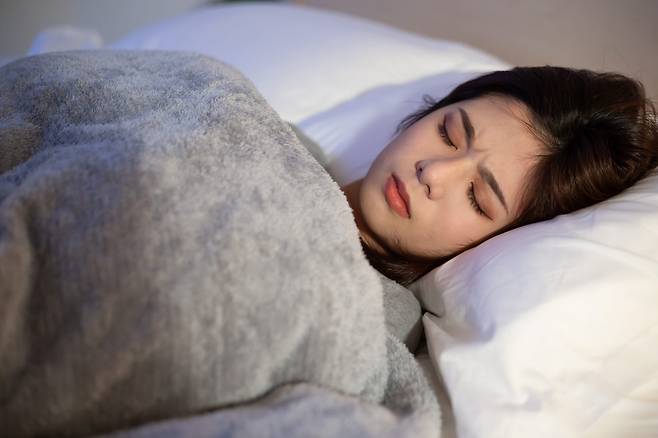
People who sleep fewer than six hours or more than nine hours a day are more than twice as likely to experience depression compared with those who sleep seven to eight hours, a government study showed Tuesday.
Research by the Korea Disease Control and Prevention Agency revealed individuals outside the recommended sleep range were 2.1 times more likely to show signs of depression.
Among factors examined, including social relationships and health behaviors, sleep duration showed the strongest association.
The findings are based on a nationwide survey of about 230,000 adults aged 19 and older conducted between May and July last year.
The study also found that social interaction played a significant role. Those who met friends only once a month were about twice as likely to experience depression compared to those who met four times a week.
Smokers were 1.7 times more likely to experience depression than non-smokers, and those who did not engage in walking exercise were 1.4 times more likely to be affected.
“Maintaining adequate sleep, social relationships and a healthy lifestyle is important in preventing depression,” said Lim Seung-kwan, commissioner of the KDCA.
The agency said depression risk also varied across social conditions. Women were 1.7 times more likely to experience depression than men, while recipients of basic living support faced a 4.6 times higher risk. One-person households were 2.4 times more likely to report depression than multi-person households.
Among single-person households, those aged 70 and older had a depression rate of 8.9 percent, 2.6 times higher than the national average, underscoring the need for targeted support.
The overall depression rate in Korea fell to 5.9 percent in 2025, down from a peak of 7.3 percent in 2023. However, it remains significantly higher than the 2.7 percent recorded in 2017.
Copyright © 코리아헤럴드. 무단전재 및 재배포 금지.