Drivers panic over daily fuel price hikes amid Middle East tensions
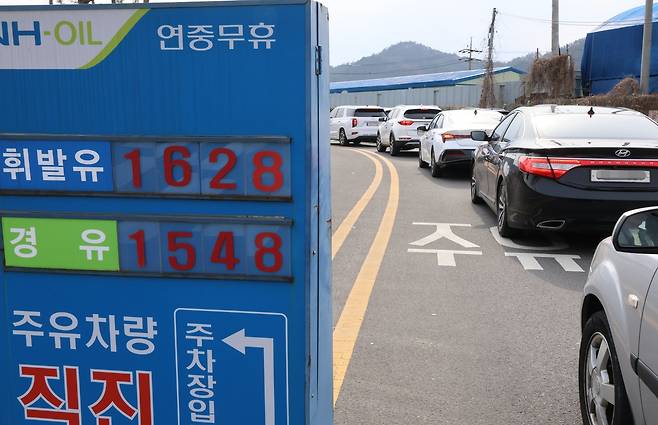
Volatile fuel prices stemming from the ongoing Middle East tensions are sending South Korean drivers scrambling in search of the cheapest gasoline.
More than 100 cars lined up at a gas station in Anyoung-dong, Jung-gu, Daejeon, on Thursday afternoon, with the queue stretching about 500 meters
The station offered gasoline at 1,628 won ($1.10) per liter, more than 200 won cheaper than the national average of 1,834 won per liter and far below the average price in Daejeon, which stood at 1,862 won.
“I thought today would probably be the cheapest, so I waited at the gas station for more than an hour to fill up. I have to drive a lot for work, and fuel prices have already gone up so much. I’m really worried about what’s ahead," said a Daejeon resident surnamed Baek, who runs a cleaning business, in an interview with a local news outlet.
Domestic fuel prices have been fluctuating heavily since the US and Israel launched airstrikes on Iran on Feb. 28, raising fears of prolonged disruptions to global oil supplies.
The international price of regular gasoline marked a sharp one-day surge from $99.66 per barrel on Wednesday to $106.28 the following day.
As of Friday morning, the average retail price of gasoline stood at 1,866 won per liter, up 31 won from the previous day, according to Opinet, a website operated by the state-run Korea National Oil Corp.
At a gas station in Seoul, the price of premium gasoline reached 2,996 won per liter, nearing the 3,000 won mark.
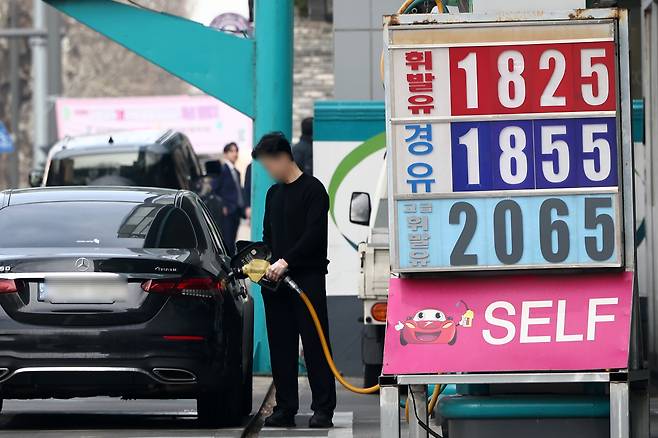
Transport workers such as delivery drivers have been hit particularly hard by the surge in fuel prices.
“I don’t think fuel prices have risen this sharply since the COVID-19 period,” a courier driver in Seoul wrote on Facebook.
“Most of us have to cover fuel costs ourselves. Depending on the distance between delivery sites and terminals, we usually spend about 300,000 to 600,000 won a month on fuel. If prices go up further, the burden will only get heavier.”
Some consumers are angry, saying fluctuations in global oil prices should not be immediately reflected in domestic fuel prices, as refined fuel made from crude oil imported earlier at lower prices typically remains in the market for some time.
“The fuel at gas stations now must have been imported before the strikes on Iran, so it’s hard to understand why prices are rising so quickly. It feels like they’re taking this opportunity to raise prices,” one user wrote on Threads.
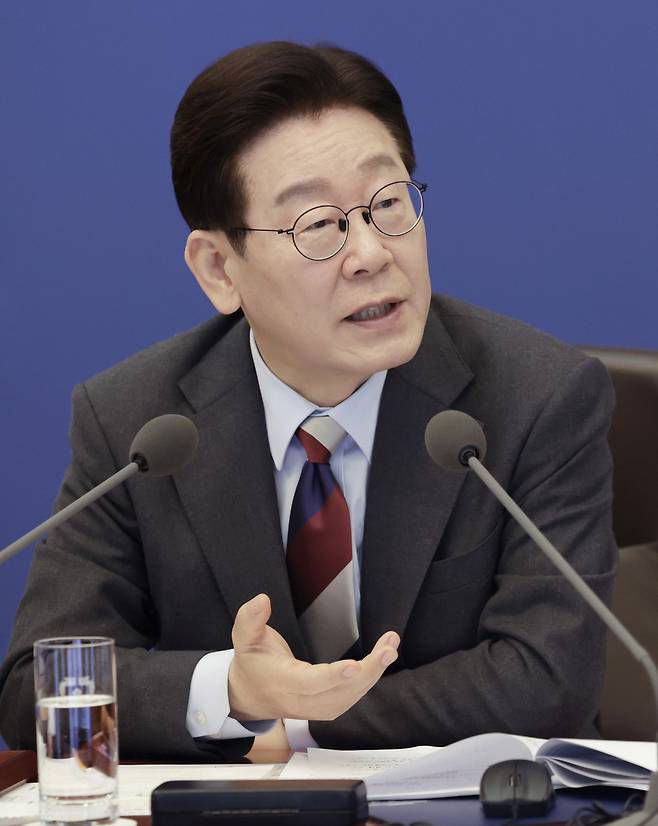
As such cases spread, President Lee Jae Myung on Friday warned against possible price collusion in the fuel market and called for specific measures to address the issue.
On X, he wrote, "Collusion and price manipulation are serious crimes against the public. They will soon learn how heavy the price will be.’”
Copyright © 코리아헤럴드. 무단전재 및 재배포 금지.