Visiting Seoul for BTS? Don't miss these original Korean 'faction' musicals
Unlike television dramas, where subtitles allow viewers to immerse themselves fully in the narrative, stage productions face inherent language barriers.
To overcome this challenge, Korean musical producers are increasingly experimenting with new ways to engage a growing international audience. Two well-crafted musicals rooted in Korean history are introducing smart glasses that provide multilingual subtitles, while another production with a proven overseas track record relies on side-stage screens to display translations.
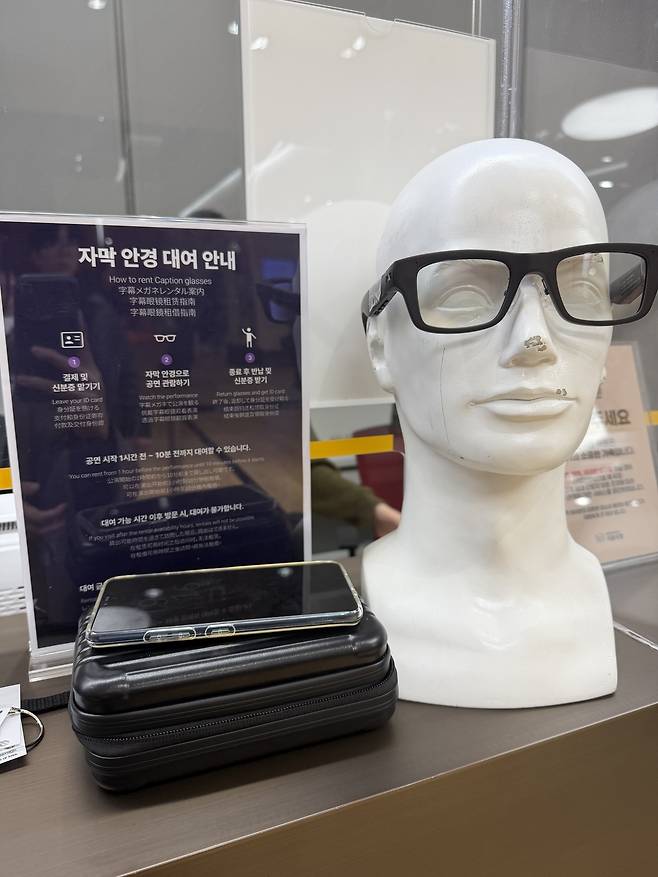
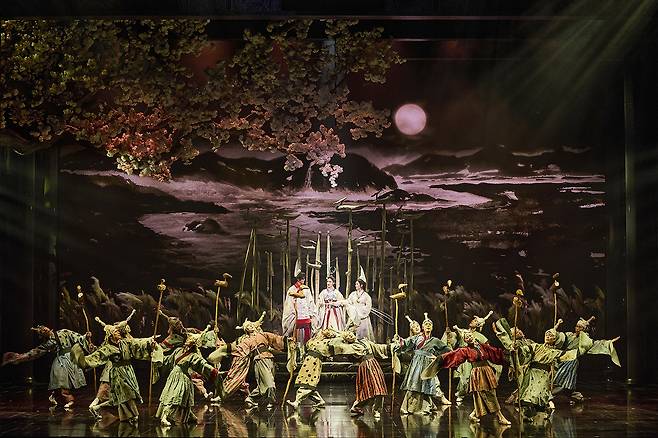
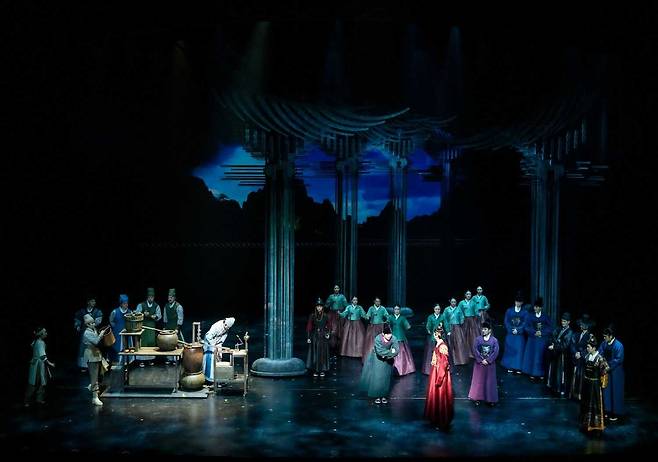
"Arang" is a new large-scale production that incorporates Korean folktales and the iconic folk melody "Arirang" into its narrative, arriving as global interest in the song is expected to grow with BTS’ upcoming album of the same name.
The musical offers an XR-based smart-glasses system that synchronizes translations with each scene via Bluetooth, allowing non-Korean speakers to follow the story without looking away from the stage.
The technology reflects the show’s broader ambition. Though it originally premiered in 2002, the production has undergone extensive revisions over more than two decades. Director Yoon Ho-jin, who first conceived the musical after reading a novel by Choi In-ho, has described the journey as a long process of refinement. Including the early preparation period, he said it took 27 years to realize the version he had envisioned.
“We wanted audiences to feel universal emotions such as love, redemption and sacrifice, even if they are unfamiliar with Korean history or classical literature,” Yoon said.
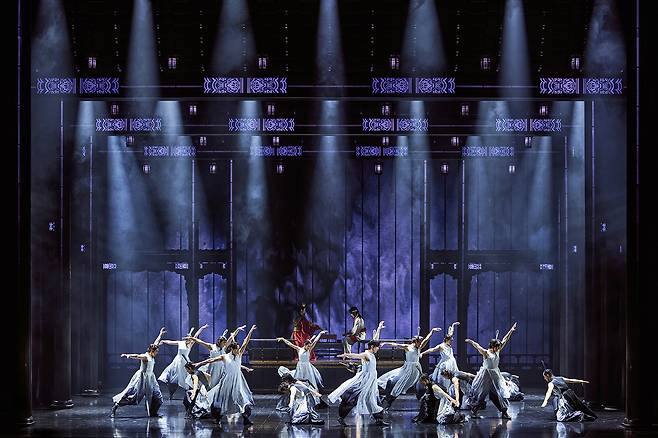
Titled after its female protagonist, "Arang" is set against the backdrop of the Baekje Kingdom and draws inspiration from Choi’s novel "Mongyudowondo." The novel itself references historical sources, including the "Samguk Sagi," the 12th-century chronicle of Korea’s Three Kingdoms. Among the tales recorded in the text is “Domijeon,” or "A story of Domi," which recounts how a Baekje king attempts to take Arang, the wife of Domi. The couple defies royal authority, endures separation and hardship, and ultimately reunites.
Musically, "Arang" blends traditional Korean sounds with contemporary genres. The sharp, metallic sound of the kkwaenggwari — a small hand-held Korean gong traditionally used to lead rhythmic ensembles — blends with drumbeats, while melodies from the violin and gayageum, a Korean plucked zither known for its delicate, flowing tones, come together in harmony.
Whether sung by a lone character or a 20-member ensemble, the recurring strains of “Arirang” never fail to strike an emotional chord.
The production is mounted by Acom, known for staging successful musicals based on real-life figures, including "Hero" and "The Last Empress." Long committed to bringing Korean storytelling abroad, Acom, which brought "The Last Empress" to New York in the late 1990s, is also aiming for an overseas transfer in early 2028.
The production ran at the National Theater of Korea’s Haeoreum Grand Theater through Feb. 22 and is transferring to the Charlotte Theater in Jamsil for an extended engagement from April 11 to May 10, where subtitle services will be available in four languages: Korean, English, Chinese and Japanese, with advance reservation.

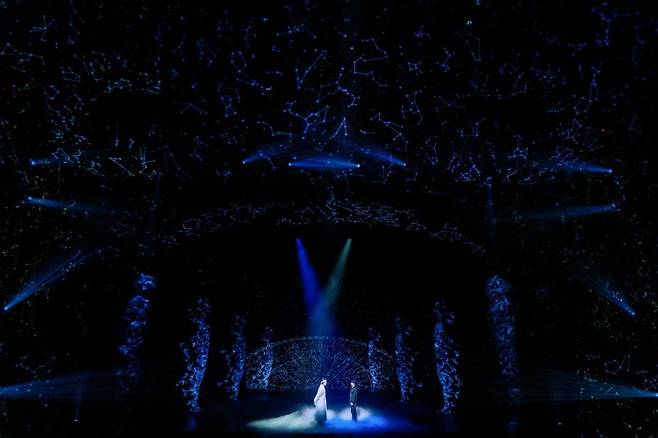
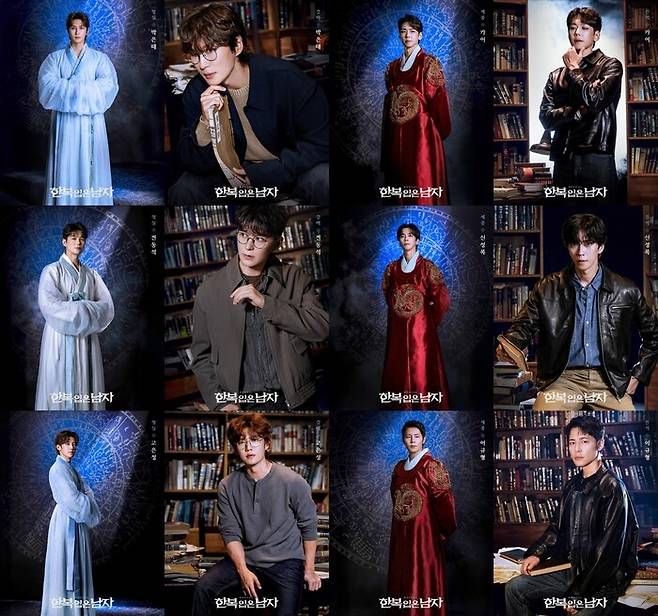
“Man in Hanbok" is a new musical that won the Grand Prize at the 10th Korean Musical Awards in January. Taking inspiration from a 2014 novel, the work reimagines the life of Jang Yeong-sil, a Joseon-era scientist and inventor who served as a close aide to King Sejong, the creator of the Korean writing system Hangul.
The original novel belongs to the genre known as “faction,” blending historical fact with fictional interpretation. While much about Jang’s later life remains unknown, the novelist imaginatively reconstructed his story from "Man in Korean Costume," a drawing attributed to Peter Paul Rubens (1577-1640) that was discovered in Europe -- an idea that ultimately inspired the musical.
With its 10th original production, EMK Musical Company continues its tradition of storytelling that often moves between history and dramatic spectacle. "Man in Hanbok" stands out in the company’s 16-year history for its distinctly Korean subject matter, following years of large-scale works that often moved between historical drama and theatrical spectacle, such as "Mozart!," "Elisabeth," "Mata Hari," "Frida" and "The Man Who Laughs."
"Man in Hanbok" has been running since Dec. 2 and is scheduled to conclude its initial run on March 8, though a return engagement is widely expected.
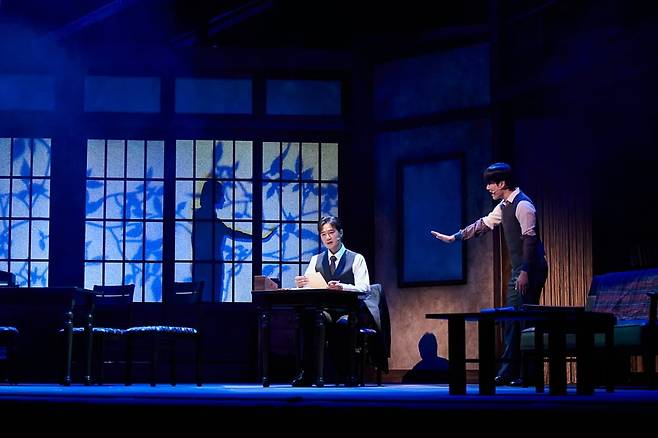
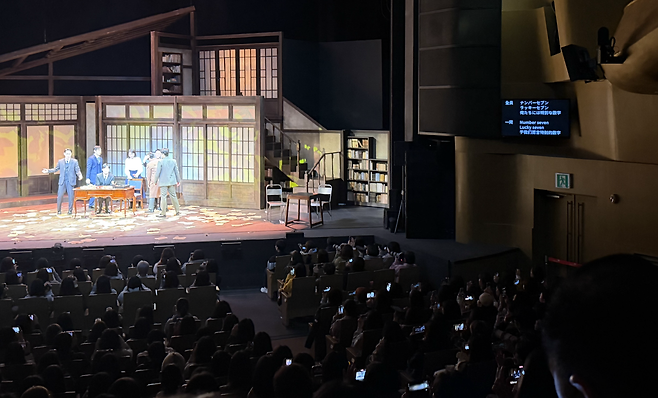
Meanwhile, “Fan Letter” marks its 10th anniversary this year as one of the earliest Korean original musicals to achieve sustained overseas success.
The “Circle of Seven” portrayed in "Fan Letter" draws on the "Circle of Nine," a literary circle formed in 1933 by nine writers dedicated to pure literature. Among its key figures were novelist Kim Yu-jeong and poet Yi Sang, two major literary voices whose lives were cut short but left a lasting impact on modern Korean literature.
Set in Gyeongseong -- the name for Seoul during Japanese colonial rule -- the musical focuses not on grand narratives of independence, but on writers and artists who continued to love literature amid political oppression. By centering on intimate emotional struggles rather than overt political discourse, the show has resonated strongly with international audiences.
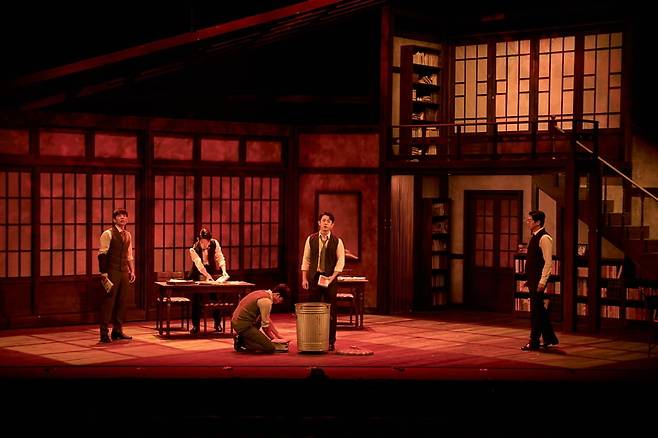
"Fan Letter" toured Taiwan in 2018, becoming the first Korean original musical to do so. Since 2022, it has also been staged in China through licensed productions, with multiple successful runs. A Japanese licensed production followed in 2024.
Reflecting its growing global audience, the Korean production now offers Chinese and Japanese subtitles projected at the sides of the stage.
The musical’s fifth Korean run was held from Dec. 5 to Feb. 22 at the Seoul Arts Center and will return to the Hongik University Daehangno Arts Center from March 17 to June 7. To commemorate its 10th anniversary, the production has assembled both original and new cast members, with multiple actors alternating across the seven principal roles.
Copyright © 코리아헤럴드. 무단전재 및 재배포 금지.